

Why Is Data Validation Important in the Dapodik System?
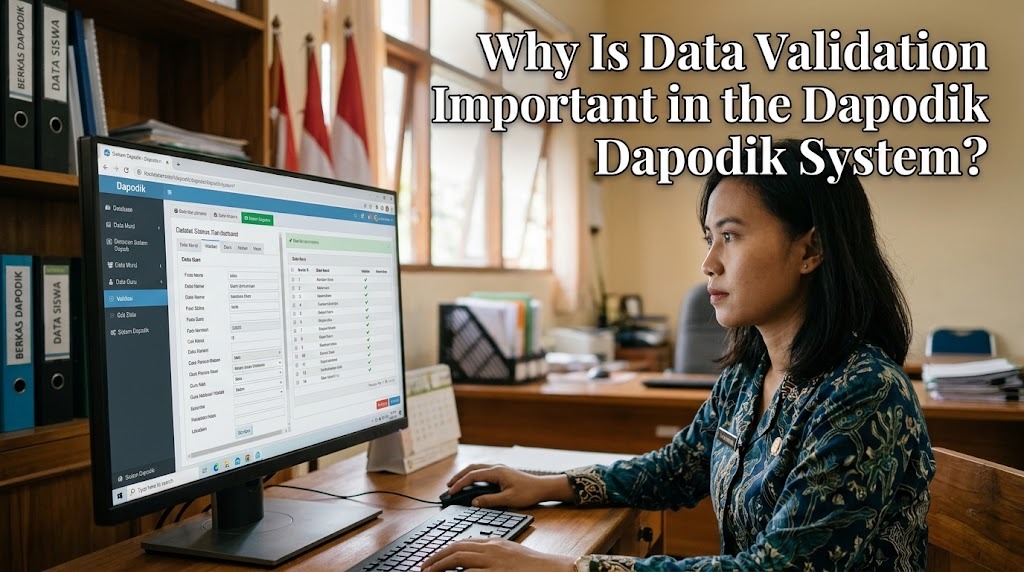
The Dapodik system, or Basic Education Data, is an important platform used to manage educational information in Indonesia. It stores various data related to schools, teachers, education staff, students, and learning facilities. The accuracy of this information is essential because it supports educational planning, administrative processes, and government decision-making. Data validation helps ensure that the information entered into Dapodik is complete, consistent, and accurate. Without proper validation, incorrect data may affect school administration, reporting, and the distribution of educational assistance.
UNDERSTANDING DATA VALIDATION IN DAPODIK
Data validation in Dapodik is the process of checking educational information to identify missing fields, inconsistent entries, and errors that need correction. This process helps school operators ensure that the information submitted through the system meets applicable data requirements. Validation may involve checking student identities, teacher information, school profiles, and other educational records. The system provides validation indicators that help operators identify certain problems before completing data synchronization. However, automated checks cannot identify every possible factual error, so the information must also be verified against reliable school records.
ENSURING ACCURATE EDUCATIONAL INFORMATION
Accurate data is essential for maintaining reliable educational records. Incorrect student identities, outdated teacher information, or inaccurate school profiles can create administrative difficulties and affect the quality of official reports. Data validation helps school operators detect these problems before they become part of the submitted dataset. Operators should compare the information in Dapodik with supporting documents and confirm that any changes reflect the actual conditions at the school. By maintaining accurate records, schools can improve administrative efficiency and provide more dependable information for educational planning.
SUPPORTING GOVERNMENT EDUCATIONAL POLICIES
The government uses educational data to support planning, evaluation, and the development of education policies. Information about student enrollment, teacher availability, school facilities, and other conditions can help identify educational needs in different regions. If the submitted data is inaccurate, the resulting analysis may not reflect the actual situation. Data validation helps reduce these risks by improving the reliability of the information available to decision-makers. Although Dapodik data is an important source for educational administration, individual programs may also apply additional eligibility requirements and verification procedures.
PREVENTING ADMINISTRATIVE ERRORS AND DELAYS
Unvalidated data can lead to repeated corrections, incomplete reports, and delays in administrative processes. For example, inconsistent personal information or missing required fields may need to be resolved before certain data can be processed properly. These problems can increase the workload of school operators, teachers, and administrative staff. Regular validation allows schools to identify issues earlier instead of waiting until a reporting deadline approaches. This practice makes data management more organized and helps schools complete their administrative responsibilities on time.
IMPROVING DATA QUALITY BEFORE SYNCHRONIZATION
Synchronization is the process of sending updated school data from the local Dapodik application to the central system. Before synchronization, school operators should review validation results and correct the errors that require attention. In general, errors and warnings may have different implications, depending on the type of information and the applicable application rules. Operators should follow the instructions displayed in the current version of Dapodik and ensure that mandatory corrections are completed. Successful synchronization alone does not guarantee that every record is factually correct, so reviewing the information remains an important responsibility.
PROTECTING THE RELIABILITY OF STUDENT AND TEACHER RECORDS
Student and teacher records contain information that must be managed carefully and accurately. Errors in identification numbers, names, employment details, or educational status can create inconsistencies across administrative records. Data validation helps identify suspicious entries and encourages operators to compare records with official supporting documents. Schools should also ensure that updates are authorized and that sensitive information is handled responsibly. Accurate and well-maintained records help reduce unnecessary corrections while supporting more consistent educational administration.
APPLYING EFFECTIVE DATA VALIDATION PRACTICES
Effective data validation requires regular attention rather than a single review at the end of the reporting period. School operators should check records whenever new information is entered or existing information changes. They should prioritize required fields, identity details, teacher assignments, school facilities, and other information relevant to current reporting requirements. When validation problems appear, operators should investigate the cause, correct the information using reliable documents, and review the results again. Coordination with school leaders, teachers, and administrative staff can also help ensure that the submitted information reflects actual school conditions.
CONCLUSION
Data validation is important in the Dapodik system because it helps maintain accurate, complete, and consistent educational information. Proper validation supports school administration, improves the quality of educational reports, and provides more reliable data for planning and decision-making. It also helps reduce administrative errors and makes the synchronization process more organized. However, validation must be supported by careful document verification and regular data updates. By applying these practices consistently, schools can improve the reliability of Dapodik records and contribute to better educational data management in Indonesia.
Recent Posts

Bagaimana Sistem SKS pada Program Kuliah... 22.11.2026/50 View

How Does Technology Make Daily Evaluation... 21.11.2026/79 View

Apa Strategi Menghadapi Kesenjangan antara Kompetensi... 21.11.2026/79 View

Mengapa Inventaris Aset Penting bagi Kelancaran... 21.11.2026/75 View

When Should Musicians Join a Record... 21.11.2026/80 View
