

Why Is Digital Transformation Essential for Success in the Industrial Revolution?
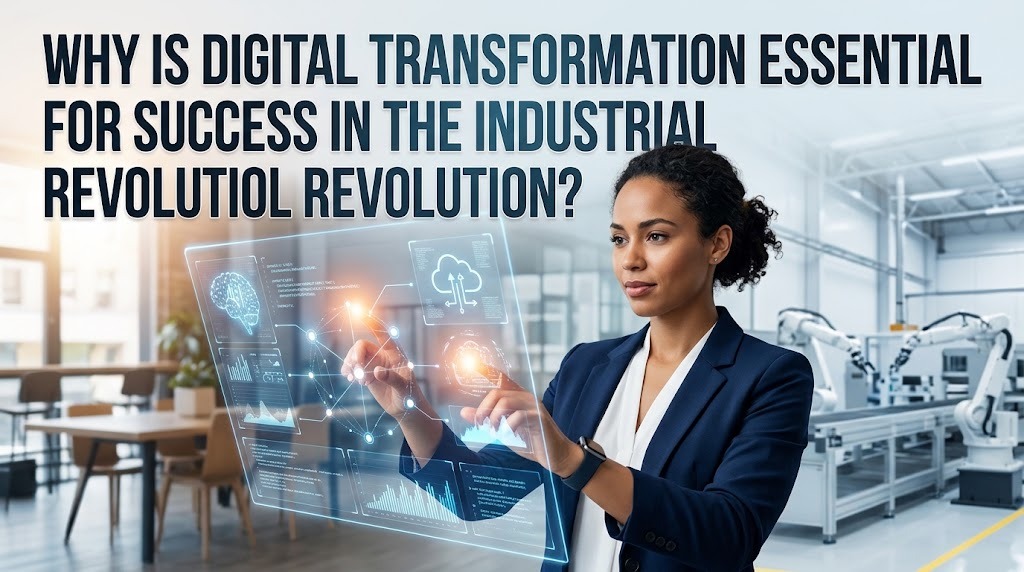
Digital transformation has become an essential part of modern industrial development. As technology continues to advance, businesses must adapt to new ways of producing goods, managing operations, and serving customers. The Industrial Revolution has progressed from steam-powered machinery and electricity to computers, automation, artificial intelligence, and interconnected digital systems. These developments have changed how companies compete, making technology an important factor in productivity and long-term business growth.
In the era of Industry 4.0, digital transformation enables businesses to use data, connected devices, and intelligent software to improve their operations. Companies can monitor production in real time, identify problems more quickly, and make decisions based on accurate information. Digital tools can also help businesses reach wider markets and respond to changing customer needs. However, successful transformation requires more than purchasing new technology. It also involves developing employee skills, improving business processes, protecting information, and building a culture that supports continuous innovation.
UNDERSTANDING DIGITAL TRANSFORMATION IN THE INDUSTRIAL REVOLUTION
Digital transformation refers to the use of digital technologies to improve how an organization operates, delivers value, and makes decisions. It goes beyond replacing paper documents with electronic files or introducing computers into the workplace. A successful transformation may involve redesigning business processes, connecting different systems, and changing how employees collaborate. The goal is to use technology to solve real problems and create measurable improvements.
The relationship between digital transformation and the Industrial Revolution is particularly clear in Industry 4.0. Technologies such as artificial intelligence, the Internet of Things, cloud computing, and big data allow machines and business systems to exchange information. For example, a factory can connect its production equipment to monitoring software that tracks performance and identifies inefficiencies. Managers can then use this information to improve planning and reduce unnecessary costs. Digital transformation therefore helps businesses move toward more connected, flexible, and data-driven operations.
IMPROVING PRODUCTIVITY AND OPERATIONAL EFFICIENCY
One of the main benefits of digital transformation is increased productivity. Digital systems can automate repetitive tasks, reduce manual errors, and help employees complete work more efficiently. In manufacturing, automated equipment can perform certain production activities consistently, while monitoring systems provide information about machine performance. These capabilities can reduce delays and allow employees to focus on tasks that require judgment and specialized knowledge.
Digital tools can also improve inventory management, scheduling, and communication between departments. For example, a company can use inventory software to track available materials and identify when supplies need to be reordered. Production managers can use real-time information to adjust schedules when demand changes or equipment requires maintenance. However, technology does not automatically guarantee better results. Businesses need reliable data, suitable systems, and trained employees to use digital tools effectively. When implementation is carefully planned, digital transformation can reduce waste, improve product quality, and strengthen operational performance.
STRENGTHENING BUSINESS COMPETITIVENESS AND INNOVATION
Digital transformation helps businesses remain competitive in markets where customer expectations and technological capabilities continue to change. Companies can use digital platforms to promote products, communicate with customers, analyze market trends, and develop new services. These tools can help organizations respond more quickly to demand and identify opportunities that might otherwise be overlooked. Businesses that adapt effectively may improve customer satisfaction and strengthen their market position.
Digital technology also supports innovation and new business models. For example, manufacturers can use connected equipment to offer remote monitoring or maintenance services, while retailers can combine physical stores with online shopping platforms. Small and medium-sized enterprises can use digital payments, e-commerce, and social media to reach customers beyond their local areas. Nevertheless, digital competition requires businesses to maintain service quality, protect customer information, and manage technology costs. Companies should choose tools that support their objectives rather than adopting every new technology simply because it is popular.
THE ROLE OF ARTIFICIAL INTELLIGENCE AND DATA ANALYTICS
Artificial intelligence (AI) and data analytics are important components of digital transformation. Businesses generate large amounts of information through sales, production, logistics, customer interactions, and connected devices. Data analytics helps organizations identify patterns, evaluate performance, and understand where improvements are needed. AI can support these activities by recognizing complex patterns, generating predictions, and assisting with certain decisions.
For example, a factory may analyze equipment data to predict when a machine is likely to require maintenance. A retailer can examine purchasing patterns to improve inventory planning, while a logistics company can use digital systems to organize delivery routes. These applications may reduce operating costs and improve the use of resources. However, AI predictions are not always accurate, and poor-quality data can lead to misleading conclusions. Businesses must verify important results, protect confidential information, and maintain human oversight. Using AI responsibly can help organizations turn digital information into practical business value.
DEVELOPING EMPLOYEE SKILLS AND ORGANIZATIONAL CULTURE
Technology alone cannot guarantee the success of digital transformation. Employees need the knowledge and confidence to use new systems, understand digital information, and adapt to changing responsibilities. Important capabilities include digital literacy, critical thinking, problem-solving, communication, and adaptability. Depending on their roles, employees may also need specialized training in data analysis, cybersecurity, software, or automated machinery.
Organizations should support employees through practical training, mentoring, and opportunities to develop new skills. Managers also need to communicate why changes are being introduced and how the changes will affect daily work. When employees understand the purpose of digital transformation and can contribute ideas, they may be more willing to adopt new processes. A culture of continuous learning helps businesses respond to technological developments without leaving workers unprepared. Investing in people is therefore just as important as investing in digital infrastructure.
CHALLENGES AND STRATEGIES FOR SUCCESSFUL DIGITAL TRANSFORMATION
Despite its benefits, digital transformation can present significant challenges. Purchasing equipment and software, integrating older systems, and training employees can require considerable time and money. Small businesses may face additional barriers because they have limited financial resources or technical expertise. Cybersecurity threats, data privacy concerns, and resistance to organizational change can also slow implementation.
Businesses can address these challenges by developing a clear digital strategy and setting realistic priorities. Instead of changing every process at once, organizations can begin with areas where technology is likely to provide the greatest benefits. They should evaluate costs, establish security measures, train employees, and monitor results using measurable performance indicators. Cooperation with technology providers and educational institutions may also help businesses gain access to expertise and training. By combining careful planning with continuous evaluation, organizations can reduce risks and make digital transformation more sustainable.
CONCLUSION
Digital transformation is essential for success in the modern Industrial Revolution because it helps businesses improve productivity, strengthen competitiveness, and respond to changing market conditions. Technologies such as artificial intelligence, data analytics, automation, and connected devices enable organizations to manage operations more efficiently and develop innovative products and services. These capabilities are particularly important as industries become increasingly digital and interconnected.
However, successful transformation depends on more than technology. Businesses must invest in employee development, cybersecurity, reliable infrastructure, and effective management. They should also ensure that digital systems support clear business objectives and provide measurable benefits. By combining technological innovation with human skills and responsible planning, organizations can adapt to industrial change and build a stronger foundation for long-term success.
Recent Posts

Bagaimana Sistem SKS pada Program Kuliah... 22.11.2026/50 View

How Does Technology Make Daily Evaluation... 21.11.2026/80 View

Apa Strategi Menghadapi Kesenjangan antara Kompetensi... 21.11.2026/79 View

Mengapa Inventaris Aset Penting bagi Kelancaran... 21.11.2026/75 View

When Should Musicians Join a Record... 21.11.2026/80 View
