

Why Is Educational Digitalization Important for Preparing Young Generations for the Future?
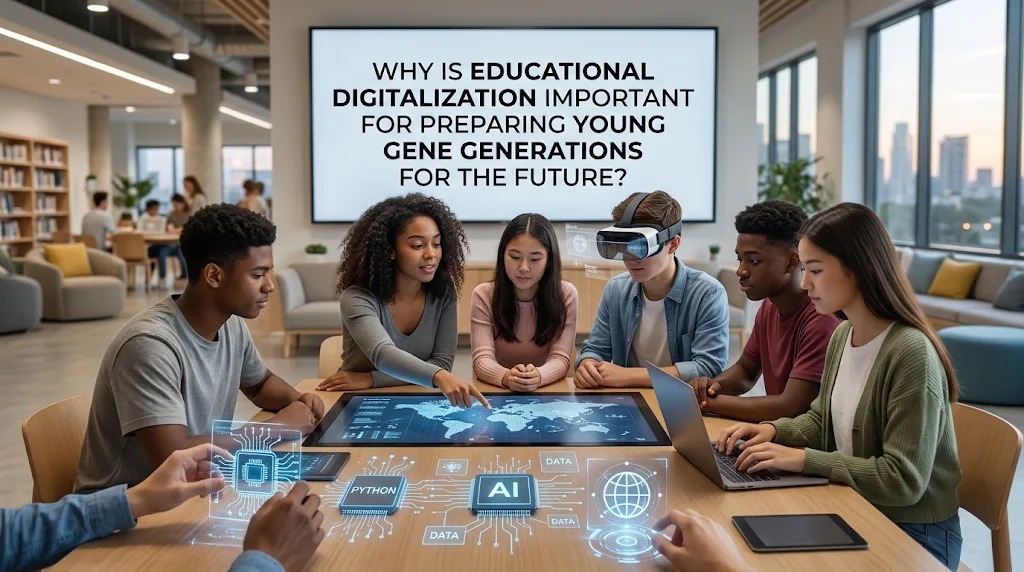
Educational digitalization has become an important part of modern education because technology continues to change how people live, work, and communicate. Young generations need more than traditional academic knowledge to face future challenges. They must also develop digital skills, critical thinking, creativity, communication, and the ability to adapt to technological developments. Through digital education, students can gain access to various learning resources and experiences that help them prepare for an increasingly competitive world.
The integration of technology into education also creates opportunities for students to develop skills that are relevant to future careers. Digital learning platforms, artificial intelligence, online courses, and interactive applications allow students to explore knowledge beyond traditional classroom limitations. Therefore, educational digitalization is not only about using modern devices but also about preparing young generations to become independent, creative, and responsible individuals.
DEVELOPING DIGITAL SKILLS FOR FUTURE CAREERS
Educational digitalization helps young generations develop digital skills that are increasingly needed in the modern workplace. Many industries now depend on computers, online platforms, digital communication, and technology-based systems to complete their daily activities. Students who become familiar with these tools during their education may find it easier to adapt to professional environments after graduation. Skills such as operating digital applications, managing information, and understanding online communication are valuable foundations for future career development.
Furthermore, digital education introduces students to technological developments that may influence different professions. For example, students can learn basic programming, graphic design, digital marketing, data analysis, and other technology-related subjects through online learning resources. These experiences help them recognize their interests and explore potential career opportunities. By developing digital competence from an early age, young generations can become better prepared to face changing employment requirements.
IMPROVING CRITICAL THINKING AND PROBLEM-SOLVING ABILITIES
Access to digital information allows students to explore different perspectives and understand various subjects more deeply. Through online libraries, educational websites, digital journals, and learning applications, they can compare information and discover alternative explanations. This process encourages students to think critically rather than simply memorize information provided by teachers. They also learn to identify relevant facts and distinguish reliable sources from misleading content.
Digital learning activities can also strengthen students' problem-solving abilities. Educational simulations, interactive exercises, and technology-based projects encourage them to analyze situations and find appropriate solutions. For instance, students can use digital tools to conduct research, organize information, and present their findings. These activities develop analytical thinking and decision-making skills, which are important for handling academic challenges and real-life situations in the future.
ENCOURAGING CREATIVITY AND INNOVATION AMONG YOUNG GENERATIONS
Educational digitalization provides students with opportunities to express their creativity through various digital tools. They can create presentations, videos, illustrations, websites, animations, and other creative projects to communicate their ideas. These activities make learning more practical because students do not only receive information but also produce something based on their knowledge. Digital platforms also allow them to experiment with different methods and develop original solutions.
In addition, technology encourages students to explore innovation and develop new ideas. They can collaborate on digital projects, participate in online competitions, and learn about emerging technologies such as artificial intelligence and virtual reality. These experiences help students understand how technology can be used to solve problems and create useful products or services. By supporting creativity and innovation, digital education prepares young generations to become active contributors to future developments.
PROVIDING FLEXIBLE AND WIDER ACCESS TO EDUCATION
One of the major advantages of educational digitalization is its ability to provide broader access to learning resources. Students can attend online classes, access electronic books, watch educational videos, and participate in virtual discussions without always being physically present at school. This flexibility allows them to continue learning even when distance, transportation, or personal schedules create difficulties. It also provides opportunities to explore subjects that may not be available in their local educational institutions.
Digital learning platforms can also connect students with educational resources from different regions and countries. They can access online courses, communicate with other learners, and explore international perspectives. This exposure helps them understand different cultures and develop broader knowledge about global issues. However, schools and governments must ensure that students have adequate internet access and digital devices so that educational opportunities are available more equally.
BUILDING INDEPENDENCE AND ADAPTABILITY IN THE DIGITAL ERA
The development of digital education encourages students to take greater responsibility for their learning activities. They can organize study schedules, select relevant learning materials, complete online assignments, and monitor their academic progress. These activities help them develop self-discipline and independence. Such qualities are important because future professional environments often require individuals to manage responsibilities without constant supervision.
Adaptability is another essential ability that students can develop through educational digitalization. Technology changes rapidly, and new applications, systems, and working methods continue to emerge. Students who regularly use digital learning resources become more familiar with exploring unfamiliar tools and adjusting to different learning situations. Developing adaptability and lifelong learning habits helps young generations remain prepared for technological changes and professional challenges throughout their lives.
PREPARING RESPONSIBLE AND COMPETITIVE FUTURE GENERATIONS
Educational digitalization must also teach students how to use technology responsibly. Although the internet provides valuable information, it also contains misinformation, online fraud, cyberbullying, and privacy risks. Students need to understand how to protect personal information, respect other people's digital rights, and communicate appropriately online. Schools should introduce digital ethics and cybersecurity awareness as important parts of modern education.
Beyond technical abilities, young generations also need communication skills, teamwork, leadership, and emotional intelligence. Technology can support these competencies through collaborative assignments, online discussions, and group projects. However, direct interaction between teachers and students remains necessary to develop empathy, social awareness, and character. Combining digital skills with strong personal values can help create future generations who are not only technologically capable but also responsible and competitive in society.
CONCLUSION
Educational digitalization is important for preparing young generations for the future because it provides opportunities to develop digital skills, critical thinking, creativity, and independence. Through technology-based learning, students can access broader educational resources, explore new interests, and become familiar with tools used in modern workplaces. These abilities can help them adapt to technological developments and changing professional requirements.
However, successful digital education requires more than providing computers, smartphones, or internet connections. Schools must also strengthen teaching quality, improve digital infrastructure, and educate students about responsible technology use. By combining technological innovation with academic knowledge and character development, educational digitalization can prepare young generations to become skilled, adaptable, and responsible individuals in the future.
Recent Posts

Bagaimana Sistem SKS pada Program Kuliah... 22.11.2026/33 View

How Does Technology Make Daily Evaluation... 21.11.2026/67 View

Apa Strategi Menghadapi Kesenjangan antara Kompetensi... 21.11.2026/67 View

Mengapa Inventaris Aset Penting bagi Kelancaran... 21.11.2026/65 View

When Should Musicians Join a Record... 21.11.2026/66 View
