

Why Is Emotional Control Important for Maintaining a Positive Attitude?
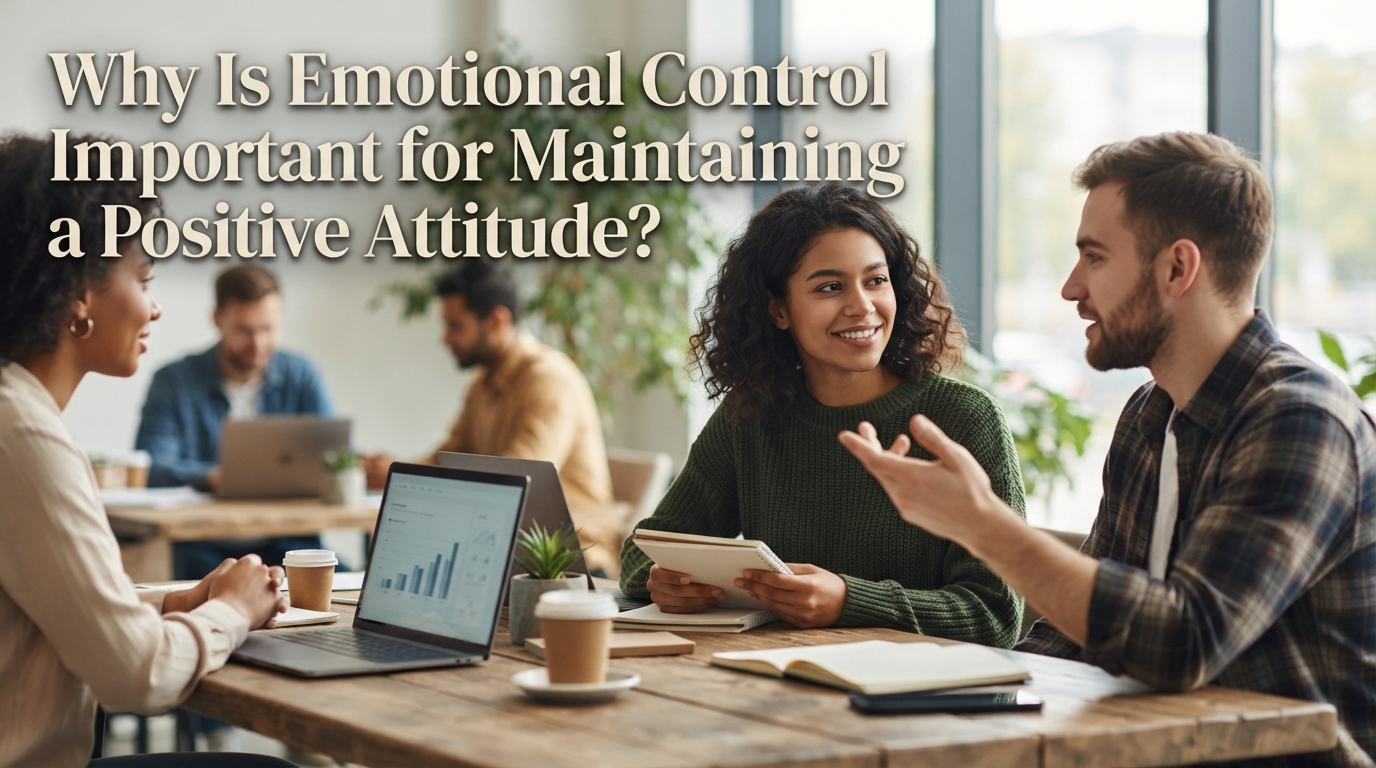
Emotional control is an important ability that helps individuals manage their feelings and respond appropriately to different situations. In everyday life, people often experience happiness, sadness, anger, disappointment, and stress. These emotions can influence thoughts, decisions, communication, and relationships with others. Without proper emotional management, negative feelings may lead to impulsive reactions and unnecessary conflicts. Therefore, emotional control plays an essential role in maintaining a positive attitude, developing healthy relationships, and facing challenges with a calm and responsible mindset.
1. HELPING INDIVIDUALS RESPOND CALMLY TO DIFFICULT SITUATIONS
Difficult situations can trigger strong emotional reactions, especially when individuals face pressure, criticism, or unexpected problems. Emotional control helps people pause and think before responding instead of immediately reacting based on anger or frustration. This ability allows them to understand the situation more clearly and consider the possible consequences of their actions. For example, when receiving negative feedback, a person with good emotional control can listen carefully rather than responding defensively. Staying calm makes it easier to find appropriate solutions and maintain a positive attitude.
In addition, controlling emotions does not mean ignoring or hiding feelings. It means recognizing emotions and choosing a healthy way to express them. Individuals can take a deep breath, step away briefly, or organize their thoughts before continuing a difficult conversation. These simple actions can reduce emotional tension and prevent misunderstandings. By practicing calm responses, people become better prepared to handle challenges without allowing temporary emotions to control their behavior.
2. PREVENTING NEGATIVE THINKING AND MAINTAINING OPTIMISM
Emotions can strongly influence the way people interpret events and view their surroundings. When someone feels disappointed or frustrated, they may focus only on problems and overlook possible solutions. Emotional control helps individuals recognize negative thoughts and replace unhelpful reactions with more balanced perspectives. For example, instead of considering failure as the end of an opportunity, they can view it as a chance to learn and improve. Positive thinking becomes easier when people understand their emotions and manage them effectively.
Maintaining optimism does not mean pretending that every situation is good or avoiding real problems. It involves accepting difficulties while believing that improvement is still possible. Individuals who manage their emotions can focus on what they can control rather than spending too much time worrying about things beyond their influence. This mindset encourages persistence and a willingness to keep trying after setbacks. As a result, emotional control supports a healthier and more realistic positive attitude.
3. IMPROVING COMMUNICATION AND SOCIAL RELATIONSHIPS
Emotional control is closely connected to effective communication because feelings influence the way people speak and interact. When individuals cannot manage their emotions, they may use harsh words, interrupt others, or misunderstand different opinions. These reactions can create unnecessary arguments and damage relationships. By managing their feelings, individuals can communicate more politely and explain their thoughts clearly. Emotional awareness also helps people recognize how their words and actions may affect others.
Good emotional control also encourages empathy and mutual understanding. When someone listens calmly to another person's concerns, it becomes easier to understand different perspectives. This is particularly important when dealing with disagreements among friends, family members, classmates, or colleagues. Instead of focusing on winning an argument, individuals can work together to find a fair solution. Developing these habits helps create stronger relationships based on trust, respect, and understanding.
4. SUPPORTING BETTER DECISION-MAKING
Emotions can influence decisions, especially when people feel angry, afraid, excited, or disappointed. Making important choices while experiencing intense emotions may increase the risk of impulsive decisions. Emotional control allows individuals to slow down, evaluate available information, and consider different possibilities before taking action. For example, someone who receives an unexpected criticism at work can avoid making an immediate decision to quit and instead evaluate the situation carefully. Rational thinking becomes more effective when emotions are recognized and managed appropriately.
Furthermore, emotional control helps individuals consider both short-term and long-term consequences. They can identify the risks, compare alternatives, and choose actions that support their goals. This ability is useful in education, professional activities, financial planning, and everyday responsibilities. It also encourages people to take responsibility for the decisions they make. By combining emotional awareness with logical thinking, individuals can make more thoughtful and balanced choices.
5. REDUCING STRESS AND PROTECTING EMOTIONAL WELL-BEING
Daily responsibilities, personal problems, and unexpected changes can create stress. When stress is not managed properly, individuals may become easily irritated, overwhelmed, or unable to concentrate. Emotional control helps them recognize early signs of emotional pressure and respond with healthier coping strategies. Activities such as deep breathing, taking short breaks, exercising, and talking to trusted people can help manage stressful feelings. Stress management is an important part of maintaining emotional balance and a positive attitude.
Emotional well-being also depends on understanding and accepting personal feelings. People should allow themselves to experience sadness, disappointment, or frustration without judging themselves negatively. However, they also need to develop healthy ways to process these emotions instead of allowing them to interfere with everyday responsibilities. Getting enough rest, maintaining supportive relationships, and seeking professional help when needed can also contribute to emotional well-being. These practices help individuals become more prepared to face daily challenges.
6. INCREASING SELF-CONFIDENCE AND PERSONAL GROWTH
People who can manage their emotions are often better prepared to face unfamiliar situations and personal challenges. They are more likely to evaluate their abilities realistically and avoid letting temporary fear or disappointment determine their actions. For example, students who feel nervous before an examination can use emotional management techniques to stay focused and prepare effectively. Self-confidence develops when individuals learn to trust their ability to handle different situations. This confidence supports a more positive attitude toward learning and personal development.
Emotional control also encourages individuals to learn from mistakes rather than becoming discouraged by them. When people accept that failure is part of the learning process, they can identify weaknesses and make improvements. They become more willing to receive feedback, try new experiences, and develop useful skills. Over time, these habits strengthen resilience and independence. Therefore, emotional control is an important foundation for continuous personal growth.
7. BUILDING A MORE PROFESSIONAL AND RESPONSIBLE ATTITUDE
In educational and professional environments, emotional control helps individuals maintain appropriate behavior in different situations. Students and employees may face deadlines, criticism, disagreements, and demanding responsibilities. Managing emotions allows them to remain focused and complete tasks without letting frustration interfere with their performance. It also helps them communicate respectfully with teachers, supervisors, colleagues, and team members. Professional behavior requires not only knowledge and technical abilities but also emotional maturity.
A responsible attitude also involves understanding that every action can affect other people. Individuals who manage their emotions are more likely to accept feedback, solve problems constructively, and maintain cooperation. They can remain respectful even when they disagree with someone or experience pressure. These qualities contribute to a healthy learning and working environment. By developing emotional control, individuals can become more reliable, mature, and professional.
CONCLUSION
Emotional control is important for maintaining a positive attitude because it helps individuals manage difficult feelings and respond to situations more wisely. It supports calm communication, positive thinking, better decision-making, stress management, self-confidence, and personal growth. Emotional control does not mean suppressing emotions but understanding them and expressing them in healthy ways. By practicing emotional awareness and developing effective coping strategies, individuals can build stronger relationships and become more resilient when facing challenges. Ultimately, managing emotions is an essential skill for creating a balanced, positive, and responsible life.
Recent Posts

How Does Technology Make Daily Evaluation... 21.11.2026/55 View

Apa Strategi Menghadapi Kesenjangan antara Kompetensi... 21.11.2026/57 View

Mengapa Inventaris Aset Penting bagi Kelancaran... 21.11.2026/51 View

When Should Musicians Join a Record... 21.11.2026/52 View

Daily Evaluation or Daily Planning Which... 21.11.2026/59 View
