

Why Is Extended Family Support Important During Difficult Times?
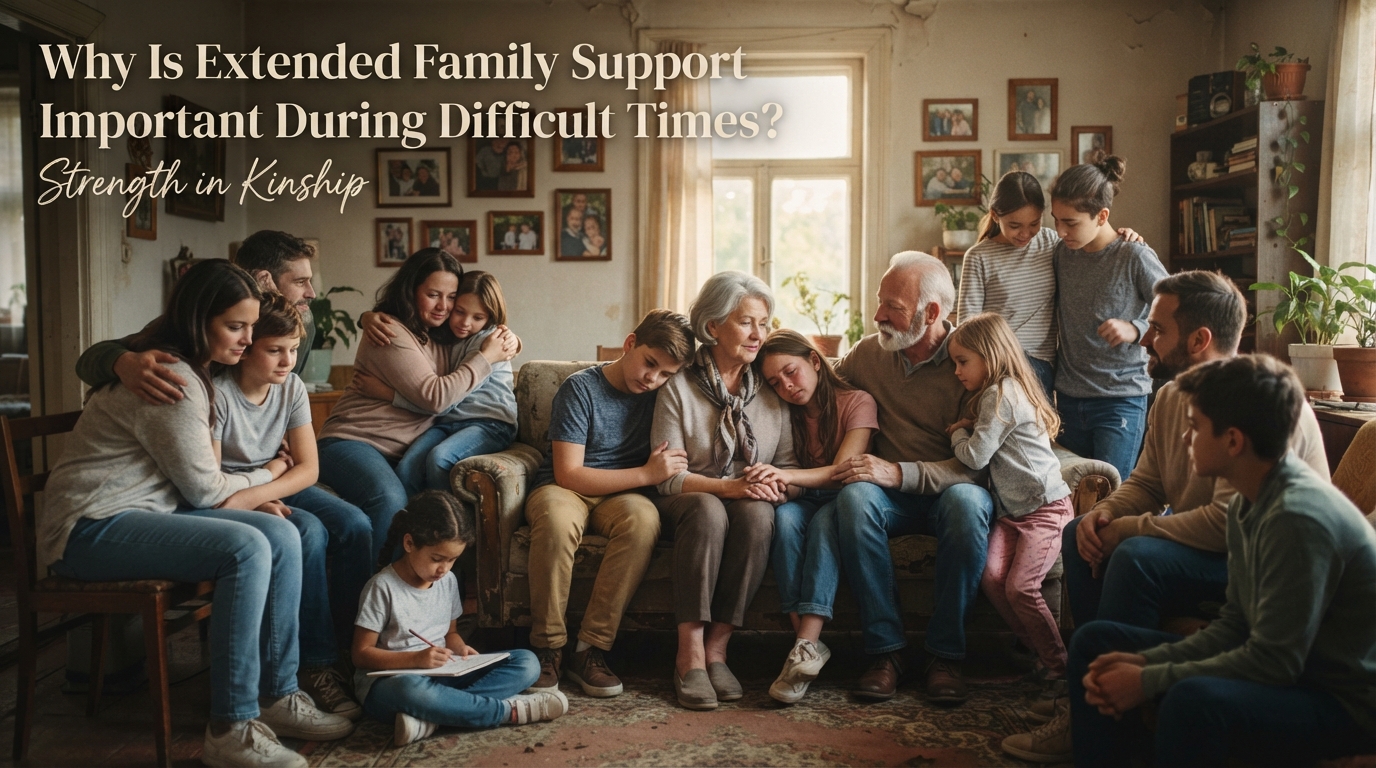
Difficult times are a natural part of life, and everyone may experience challenges such as financial problems, health concerns, job loss, emotional stress, or personal conflicts. During these situations, having people who provide care and assistance can make a significant difference. One important source of support is the extended family, which includes grandparents, uncles, aunts, cousins, and other relatives beyond parents and children.
Extended family support is important because it provides emotional encouragement, practical assistance, financial help, and a sense of security when individuals face difficult circumstances. Family members can work together to find solutions, share responsibilities, and help one another recover from challenging situations. Strong family relationships also remind individuals that they do not have to face every problem alone.
PROVIDING EMOTIONAL SUPPORT AND ENCOURAGEMENT
One of the most valuable contributions of an extended family during difficult times is emotional support. When someone experiences sadness, disappointment, anxiety, or stress, having relatives who are willing to listen can help them feel understood. Grandparents, siblings, aunts, uncles, and cousins can offer encouragement through meaningful conversations and genuine attention. Their presence can reduce feelings of loneliness and help individuals regain confidence.
Emotional support is also important because difficult experiences can affect a person's motivation and mental well-being. Family members can remind one another that problems can be managed gradually and that setbacks do not determine someone's future. Sometimes, simple actions such as checking in, spending time together, or offering comforting words can provide valuable reassurance. This caring environment helps individuals feel accepted and supported.
OFFERING FINANCIAL ASSISTANCE DURING ECONOMIC DIFFICULTIES
Financial problems can become especially challenging when individuals lose their jobs, experience unexpected expenses, or struggle to meet basic household needs. In these situations, extended family members may provide financial assistance according to their abilities. They might help pay for essential expenses, provide temporary accommodation, share groceries, or lend money when necessary. Such assistance can reduce immediate financial pressure.
However, financial support should be based on clear communication and realistic expectations. Relatives should discuss whether assistance is a gift, a loan, or a shared contribution to avoid misunderstandings. Family members who provide help should also consider their own financial responsibilities. With mutual understanding, financial cooperation can become an effective way to overcome temporary difficulties.
SHARING RESPONSIBILITIES AND PRACTICAL HELP
During difficult situations, people may struggle to manage everyday responsibilities because of limited time, energy, or resources. Extended family members can offer practical assistance by helping with household tasks, childcare, transportation, shopping, or caring for elderly relatives. Sharing these responsibilities allows the affected person to focus on resolving the main problem without feeling overwhelmed by daily demands.
For example, when parents face health problems, grandparents or other relatives may temporarily help care for their children. If an elderly family member needs assistance, several relatives can coordinate visits and daily care. Dividing responsibilities according to each person's abilities makes family support more organized and manageable. This cooperation also demonstrates that family members are willing to help one another through challenging circumstances.
PROVIDING A SENSE OF SECURITY AND BELONGING
Having a supportive extended family can create a strong sense of security and belonging. During uncertain situations, knowing that trusted relatives are available can make individuals feel less vulnerable. They may become more confident about facing problems because they understand that support is available when needed. This feeling is particularly valuable for children, older adults, and individuals experiencing major life changes.
A sense of belonging also helps people maintain positive connections during stressful periods. Family gatherings, regular conversations, and small acts of kindness can remind individuals that they remain an important part of the family. These connections can provide emotional stability and encouragement. When relatives show consistent care, family members are more likely to develop lasting trust and mutual support.
HELPING FAMILY MEMBERS FIND SOLUTIONS TO PROBLEMS
Difficult situations often require careful decisions and practical solutions. Extended family members can contribute different perspectives, knowledge, and experiences when someone needs advice. Older relatives may share lessons from previous challenges, while younger family members may suggest alternative approaches. Discussing problems together can help individuals consider options they might not have recognized on their own.
However, family advice should not replace professional assistance when a situation requires specialized knowledge. For example, serious medical conditions, legal problems, and complex financial issues may require qualified professionals. Relatives can still provide encouragement and help individuals access appropriate services. Combining family support with professional guidance can lead to more informed decisions.
STRENGTHENING FAMILY RELATIONSHIPS AND SOLIDARITY
Helping one another during difficult times can strengthen family relationships and solidarity. When relatives provide assistance without expecting immediate rewards, they demonstrate care, loyalty, and responsibility. These experiences can deepen trust and create stronger connections between family members. They also teach younger generations the importance of compassion and cooperation.
Family solidarity becomes particularly meaningful when relatives face challenges together rather than allowing one person to carry every burden. Regular communication and shared responsibilities help prevent misunderstandings during stressful situations. Family members also learn to appreciate each other's contributions, regardless of how small they may seem. Over time, these supportive experiences can build a stronger and more united family.
SUPPORTING CHILDREN AND OLDER FAMILY MEMBERS
Children and older adults may need additional attention during difficult circumstances because their needs can be different from those of other family members. Extended relatives can help provide care, supervision, companionship, and emotional reassurance. For children, supportive relatives can maintain daily routines and create a stable environment when parents experience personal or financial difficulties.
Older family members may also benefit from regular visits, transportation assistance, help with daily activities, and opportunities for social interaction. These forms of support can reduce isolation and improve their quality of life. However, assistance should always respect their independence, preferences, and dignity. Coordinating care among relatives helps ensure that vulnerable family members receive appropriate attention.
BUILDING RESILIENCE AND A POSITIVE OUTLOOK
Extended family support can help individuals develop resilience, which is the ability to adapt and recover when facing difficult experiences. Encouragement from relatives can motivate people to continue working toward solutions instead of giving up when problems arise. Sharing experiences also helps family members understand that challenges can be managed through patience, preparation, and cooperation.
A positive family environment can encourage individuals to recognize their strengths and develop healthier ways of handling stress. Relatives can celebrate small improvements, acknowledge personal efforts, and provide motivation when progress feels slow. Although family support cannot remove every difficulty, it can make the process of recovery more manageable. These experiences help individuals develop confidence in facing future challenges.
CONCLUSION
Extended family support is important during difficult times because it provides emotional encouragement, financial assistance, practical help, and a sense of belonging. It also helps family members find solutions, strengthen relationships, care for vulnerable relatives, and develop resilience when facing unexpected challenges.
However, effective family support requires honest communication, mutual respect, clear boundaries, and shared responsibility. Every relative should contribute according to their abilities while respecting the needs and limitations of others. By maintaining these values, an extended family can become a reliable support system that helps its members overcome difficulties and build stronger relationships.
Recent Posts

How Does Technology Make Daily Evaluation... 21.11.2026/57 View

Apa Strategi Menghadapi Kesenjangan antara Kompetensi... 21.11.2026/59 View

Mengapa Inventaris Aset Penting bagi Kelancaran... 21.11.2026/55 View

When Should Musicians Join a Record... 21.11.2026/54 View

Daily Evaluation or Daily Planning Which... 21.11.2026/61 View
