

Why Is Financial Transparency Important in Tax Reporting?
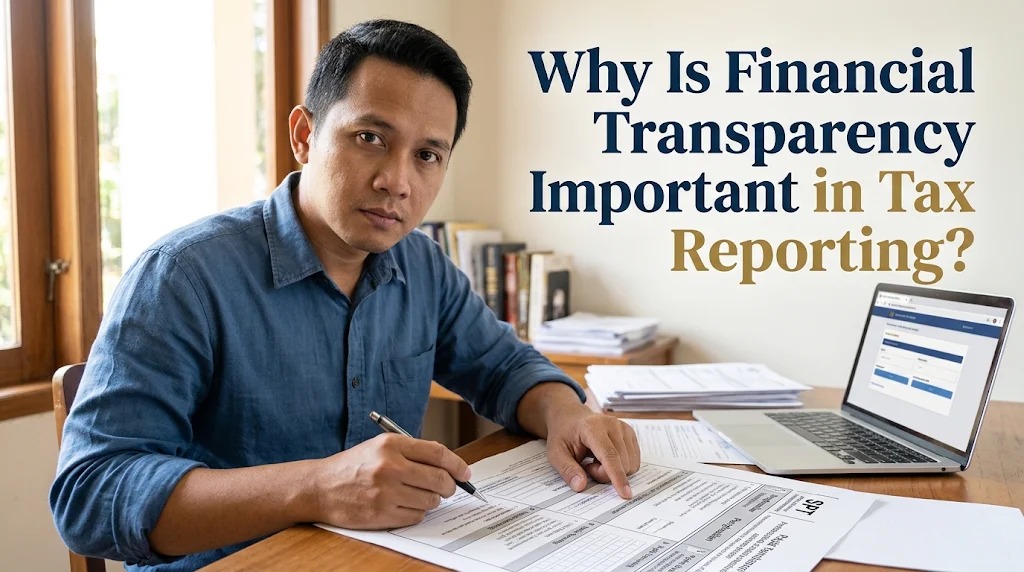
Financial transparency is an important part of responsible financial management, especially when individuals and businesses fulfill their tax obligations. Through transparent financial records, taxpayers can provide clear information about their income, expenses, assets, and other relevant financial activities. This information helps ensure that tax reports reflect actual financial conditions rather than incomplete or inaccurate estimates.
In tax administration, financial transparency supports accurate reporting, accountability, and compliance with applicable regulations. It also helps tax authorities understand the financial information submitted by taxpayers and carry out their administrative responsibilities more effectively. Understanding its importance can encourage individuals and businesses to maintain better financial records and report their taxes responsibly.
ENSURING ACCURATE AND RELIABLE TAX REPORTING
One of the main reasons financial transparency is important is that it supports the accuracy of tax reports. Taxpayers need to provide financial information that reflects their actual income, expenses, and other relevant transactions. When financial records are complete and properly organized, the information can be checked more easily before being submitted.
For individuals, transparent records can help identify income from different sources, including employment, freelance activities, business operations, and other financial activities. Employees can compare their reported income with withholding certificates, while entrepreneurs can review sales records and business expenses. These documents provide a clearer basis for preparing annual tax returns.
Businesses also benefit from transparent financial records because their tax reporting often involves numerous transactions. Accurate accounting information helps companies identify revenue, expenses, and other figures relevant to their tax calculations. Reliable financial documentation reduces the risk of reporting inconsistencies and supports more accurate tax administration.
BUILDING ACCOUNTABILITY AMONG TAXPAYERS
Financial transparency encourages taxpayers to take responsibility for the information they submit. Individuals and businesses need to ensure that their tax reports are based on genuine financial records and comply with applicable reporting requirements. This responsibility is an important part of maintaining proper financial administration.
For companies, accountability involves maintaining clear accounting procedures and ensuring that financial information can be reviewed by authorized parties. Management, finance departments, and accounting teams may need to coordinate their activities to ensure that transactions are recorded properly. Clear documentation also helps explain how financial figures are calculated and reported.
Individuals can demonstrate accountability by maintaining income records, reviewing tax payments, and reporting relevant financial information accurately. They should also correct errors through the appropriate procedures when inconsistencies are discovered. Accountable financial reporting helps strengthen responsible behavior and supports better compliance with tax obligations.
SUPPORTING TAX AUTHORITIES IN MANAGING REVENUE
Transparent tax reporting provides information that can help tax authorities manage public revenue more effectively. When taxpayers submit accurate financial information, tax authorities can use the available data to carry out administrative activities and monitor compliance with applicable regulations. Reliable reporting information also supports the administration of different tax obligations.
Tax revenue plays an important role in financing public services and government programs. These funds contribute to areas such as education, healthcare, infrastructure, public transportation, and other development activities. Therefore, accurate tax reporting can support the broader process of managing government revenue.
However, financial transparency alone does not guarantee that all tax revenue will be collected or allocated effectively. Strong administration, clear regulations, and appropriate public financial management are also necessary. Accurate taxpayer information provides an important foundation for effective tax administration and responsible public revenue management.
REDUCING THE RISK OF FINANCIAL ERRORS AND DISCREPANCIES
Incomplete financial records can make it difficult for taxpayers to prepare accurate tax reports. Missing invoices, incorrect income entries, and poorly documented expenses may create inconsistencies between reported figures and actual transactions. These problems can lead to additional administrative work when taxpayers need to review or correct their submissions.
Financial transparency helps reduce these risks by encouraging taxpayers to record transactions consistently. Businesses can use accounting software, organized invoices, bank statements, and internal financial procedures to maintain accurate records. Individuals can also keep digital copies of income statements, withholding certificates, and payment confirmations.
Regular financial reviews are another useful practice. Taxpayers can compare their financial records with the information entered into tax reporting platforms before submitting their returns. If an inconsistency appears, they can investigate the cause and make the necessary corrections according to applicable procedures. Consistent financial documentation and verification help prevent avoidable reporting errors.
STRENGTHENING PUBLIC TRUST AND RESPONSIBLE TAX ADMINISTRATION
Financial transparency can contribute to greater trust between taxpayers and government institutions. When tax reporting procedures are clear and financial information is managed responsibly, taxpayers can better understand how their obligations are calculated and administered. Clear communication about tax requirements also helps reduce confusion and encourages people to fulfill their responsibilities.
Trust is not built through taxpayer reporting alone. Tax authorities also need to provide accessible information, protect confidential financial data, and apply regulations consistently. Responsible management of taxpayer information is essential because tax reports contain sensitive personal and business details that must be protected from unauthorized access.
For businesses, transparent financial practices can also strengthen relationships with investors, business partners, and other stakeholders. Clear financial records demonstrate that the organization takes its administrative responsibilities seriously. Transparency, data protection, and consistent tax administration can work together to support a more accountable financial environment.
CONCLUSION
Financial transparency is important in tax reporting because it supports accuracy, accountability, and compliance with applicable regulations. Complete financial records help individuals and businesses prepare reliable tax returns, identify inconsistencies, and provide information that can be reviewed when necessary. Transparent reporting also supports tax authorities in managing administrative responsibilities and public revenue.
Maintaining financial transparency requires consistent recordkeeping, careful verification, and responsible management of personal and business information. Tax authorities also need to ensure that reporting procedures remain clear and taxpayer data is protected. By applying these principles, financial transparency can contribute to more reliable tax reporting and a more accountable tax administration system.
Recent Posts

How Does Technology Make Daily Evaluation... 21.11.2026/58 View

Apa Strategi Menghadapi Kesenjangan antara Kompetensi... 21.11.2026/60 View

Mengapa Inventaris Aset Penting bagi Kelancaran... 21.11.2026/56 View

When Should Musicians Join a Record... 21.11.2026/55 View

Daily Evaluation or Daily Planning Which... 21.11.2026/63 View
