

Why Is Good Posture Important for Physical Health?
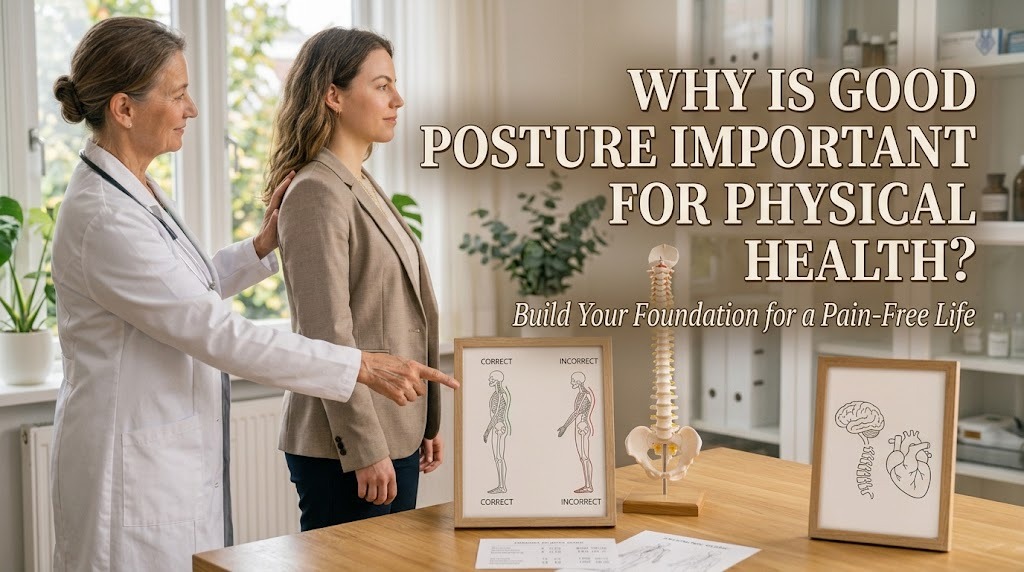
Good posture is an important part of maintaining physical health and supporting everyday movement. Whether sitting at a desk, standing in a queue, walking, or lifting objects, the way people position their bodies can influence comfort, balance, and muscle activity. Poor posture maintained for long periods may contribute to discomfort and place unnecessary strain on certain muscles and joints.
In modern life, many people spend hours using computers, smartphones, and other digital devices. These activities can encourage prolonged sitting and awkward body positions if people do not pay attention to their posture. Developing healthy posture habits, staying physically active, and changing positions regularly can help support long-term physical well-being.
REDUCE MUSCLE AND JOINT DISCOMFORT
Good posture helps distribute physical loads across the body's muscles and joints. When the body remains in an awkward or uncomfortable position for a long time, certain muscles may become tired from working continuously. This can contribute to discomfort in areas such as the neck, shoulders, and lower back.
Maintaining a comfortable, supported position can reduce unnecessary strain during daily activities. However, there is no single perfect posture that everyone must maintain all day. Changing positions regularly and avoiding prolonged static positions are also important for reducing discomfort.
SUPPORT SPINAL HEALTH
The spine provides structural support and helps the body move, bend, and rotate. Its natural curves contribute to balance and the distribution of loads during everyday activities. Comfortable alignment while sitting, standing, and moving can help reduce excessive strain on the surrounding muscles and joints.
Poor posture does not automatically cause spinal damage, and many people naturally adopt different positions throughout the day. However, repeatedly holding uncomfortable positions may contribute to pain or stiffness in some individuals. Supporting the back when sitting, keeping frequently used objects within easy reach, and taking movement breaks can help improve comfort.
IMPROVE BALANCE AND BODY STABILITY
Posture plays a role in maintaining balance during standing, walking, and other movements. The body constantly adjusts the position of its head, trunk, and limbs to keep its center of mass within a stable range. Good postural control can help people move more confidently during everyday activities.
Balance is especially important when walking on uneven surfaces, climbing stairs, or carrying objects. Regular physical activity, including exercises that strengthen the legs and core muscles, can support stability and coordination. Older adults may benefit from appropriate balance exercises to help maintain mobility and reduce the risk of falls.
SUPPORT EFFICIENT MOVEMENT
Healthy posture can make everyday movements more comfortable and coordinated. When people move with appropriate body positioning, they may avoid unnecessary muscular effort and distribute physical demands more effectively. This can be useful during activities such as walking, reaching, lifting, and exercising.
For example, bending the hips and knees when lifting a heavy object can help involve the lower body rather than relying entirely on the back. Keeping a load close to the body can also reduce the leverage placed on the spine. Safe movement still depends on the object's weight, the individual's strength, and the demands of the task.
HELP MAINTAIN COMFORT DURING LONG HOURS OF SITTING
Many students and office workers spend extended periods sitting while studying, working, or using digital devices. Sitting without adequate support or remaining in one position for too long may contribute to stiffness and discomfort. A poorly arranged workstation can also encourage people to lean forward or repeatedly turn their necks.
To improve sitting comfort, keep the feet supported, relax the shoulders, and position the screen at a comfortable viewing height. Use a chair that provides suitable support when available, and keep frequently used items within easy reach. Most importantly, stand up, stretch gently, or walk briefly at regular intervals instead of trying to maintain one position for hours.
SUPPORT BREATHING COMFORT
Body position can influence how freely the chest and diaphragm move during breathing. Slouching may restrict comfortable chest expansion for some people, while sitting or standing upright may make breathing feel easier. This can be particularly noticeable during activities that require greater physical effort.
However, posture alone does not determine breathing quality or lung health. Respiratory conditions, fitness, anxiety, and other medical factors can also affect breathing. If someone experiences persistent shortness of breath, chest pain, or unusual breathing difficulty, they should seek appropriate medical attention rather than assuming that posture is the cause.
IMPROVE FOCUS AND DAILY PRODUCTIVITY
Physical discomfort can make it harder to concentrate on tasks that require sustained attention. Neck stiffness, back pain, and frequent changes in position may distract students during lessons or employees while working. Creating a comfortable workspace can help reduce some of these distractions.
Good posture should be combined with regular breaks, sufficient lighting, and an appropriate workstation arrangement. People should also avoid treating posture as a rigid rule that must be followed perfectly. Comfort, movement, and the ability to change positions are more practical goals than maintaining a fixed position throughout the day.
BUILD STRENGTH AND FLEXIBILITY
Posture is influenced by muscle strength, flexibility, coordination, habits, and individual anatomy. Exercises that strengthen the back, abdominal muscles, hips, and legs can support the body during daily activities. Gentle mobility exercises may also help people move more comfortably, especially after long periods of sitting.
Useful activities include walking, swimming, strength training, yoga, and exercises tailored to individual abilities. Regular movement is generally more beneficial than trying to correct posture through constant conscious effort alone. Anyone with persistent pain or a known musculoskeletal condition should seek professional advice before beginning a new exercise program.
DEVELOP HEALTHY POSTURE HABITS DAILY
Improving posture does not require complicated equipment or major lifestyle changes. Begin by noticing positions that frequently cause discomfort and making small adjustments to improve support. For example, avoid holding a phone too low for extended periods, place work materials within easy reach, and use a comfortable position when reading or studying.
It is also helpful to alternate between sitting, standing, and moving whenever practical. Take short breaks during long study or work sessions, avoid carrying heavy bags on one side for extended periods, and use appropriate lifting techniques. Consistency matters more than trying to achieve a supposedly perfect position every moment.
KNOW WHEN TO SEEK PROFESSIONAL HELP
Occasional stiffness after sitting for a long time is common and may improve with movement or a change in position. However, persistent or worsening pain should not automatically be blamed on poor posture. A healthcare professional or physiotherapist can assess possible causes and recommend appropriate treatment or exercises.
Seek urgent medical care if back or neck pain occurs with symptoms such as new weakness, significant loss of sensation, difficulty controlling bladder or bowel function, or other severe and unusual symptoms. Early assessment can help identify problems that require specific treatment rather than relying only on posture adjustments.
CONCLUSION
Good posture supports comfortable movement, balance, and the effective use of muscles and joints during everyday activities. It can also help reduce discomfort associated with prolonged sitting or awkward body positions. Nevertheless, posture is only one part of physical health and does not guarantee freedom from pain or injury.
The most practical approach is to maintain comfortable body positions, move regularly, build strength and flexibility, and arrange workspaces to suit individual needs. By developing these habits consistently, people can support mobility and physical well-being throughout daily life.
Recent Posts

Bagaimana Sistem SKS pada Program Kuliah... 22.11.2026/61 View

How Does Technology Make Daily Evaluation... 21.11.2026/87 View

Apa Strategi Menghadapi Kesenjangan antara Kompetensi... 21.11.2026/85 View

Mengapa Inventaris Aset Penting bagi Kelancaran... 21.11.2026/83 View

When Should Musicians Join a Record... 21.11.2026/87 View
