

Why Is Hand Hygiene Important for Personal Health?
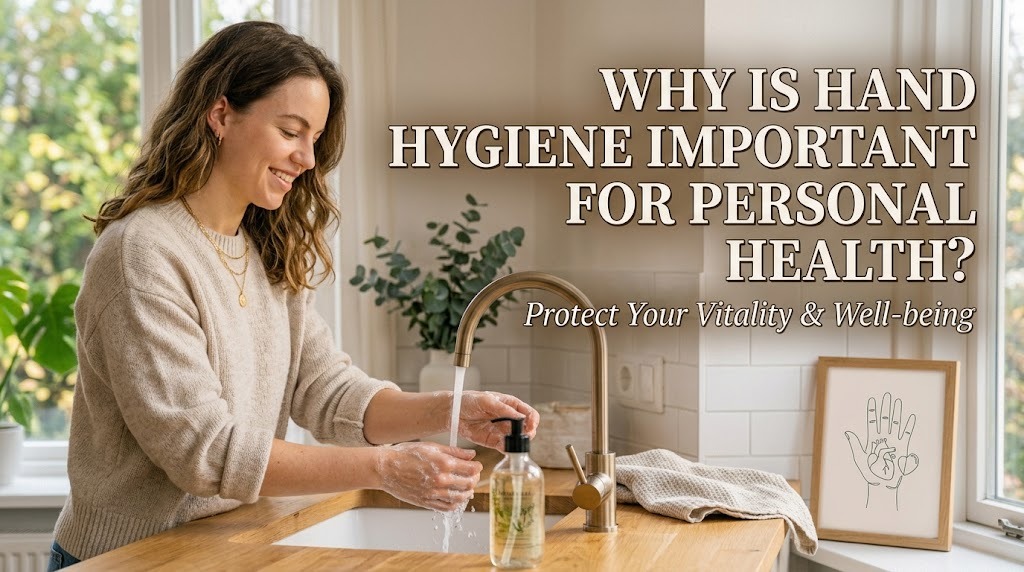
Hand hygiene is one of the simplest and most effective ways to protect personal health and reduce the spread of infectious diseases. Throughout the day, hands come into contact with various surfaces, objects, food, and other people. These interactions can transfer germs, including bacteria and viruses, onto the skin. When contaminated hands touch the eyes, nose, mouth, or food, some of these germs may enter the body and cause illness.
Maintaining clean hands helps reduce this risk and supports a healthier environment at home, school, and work. Although handwashing may seem like a small activity, practicing it correctly and consistently can make an important difference in everyday hygiene.
HOW HAND HYGIENE PREVENTS THE SPREAD OF GERMS
Hands frequently touch surfaces such as door handles, desks, mobile phones, public transportation equipment, and shared tools. Some of these surfaces may carry microorganisms that can transfer to the hands. Touching the face or handling food afterward can create opportunities for germs to enter the body.
Washing hands with soap and clean running water helps remove dirt, grease, and many microorganisms from the skin. Alcohol-based hand sanitizer can also reduce many germs when soap and water are unavailable, although it does not work equally well against every type of microorganism. Regular hand hygiene helps interrupt common routes of transmission and protects both individuals and the people around them.
THE CONNECTION BETWEEN HANDWASHING AND INFECTIOUS DISEASES
Many infectious diseases can spread through contaminated hands. Examples include some gastrointestinal infections that cause diarrhea and vomiting, as well as respiratory infections when contaminated hands transfer germs to the eyes, nose, or mouth. Proper hand hygiene can reduce opportunities for these microorganisms to spread.
Handwashing is particularly important in shared environments such as schools, offices, healthcare facilities, and public spaces. When people clean their hands at appropriate times, they help reduce the chance of transferring germs to others. However, hand hygiene is only one part of infection prevention and works best alongside other appropriate measures, including vaccination and safe food handling.
WHY HAND HYGIENE IS IMPORTANT BEFORE EATING
Hands can collect germs while people handle money, use phones, touch public surfaces, or perform daily tasks. If these germs transfer to food, they may contaminate a meal and potentially cause illness. Washing hands before eating helps reduce this risk.
It is also important to clean hands before preparing food and after handling raw meat, poultry, seafood, or eggs. These foods can carry microorganisms that may contaminate ready-to-eat ingredients or kitchen surfaces. Combining hand hygiene with clean utensils, safe food storage, and proper cooking helps protect digestive health.
THE IMPORTANCE OF HANDWASHING AFTER USING THE TOILET
After using the toilet, hands may become contaminated with microorganisms originating from human waste. Some of these germs can cause gastrointestinal infections if they enter the mouth through food, drinks, or direct contact. Washing hands thoroughly with soap and water helps remove this contamination.
This practice is important at home, at school, and in public facilities. People should also wash their hands after helping someone use the toilet or changing a diaper. Consistent hand hygiene reduces the risk of spreading germs to other people and contaminating commonly touched surfaces.
HOW TO WASH HANDS CORRECTLY
Effective handwashing requires more than briefly rinsing the hands with water. Soap helps loosen dirt and microorganisms, while rubbing all hand surfaces helps remove contamination. The World Health Organization and other public health authorities recommend washing hands with soap and water for an appropriate duration and covering all areas of the hands.
A practical handwashing routine includes the following steps:
- Wet your hands with clean running water.
- Apply enough soap to cover the hands.
- Rub your palms, the backs of your hands, between your fingers, around your thumbs, under your nails, and around your fingertips.
- Continue rubbing for at least 20 seconds.
- Rinse thoroughly under clean running water.
- Dry your hands with a clean towel or another hygienic drying method.
Paying attention to areas around the fingertips, thumbs, and nails is especially useful because these areas can be missed during rushed handwashing.
WHEN SHOULD YOU WASH YOUR HANDS?
Knowing when to wash your hands is just as important as knowing how to do it. Washing at key moments helps reduce the transfer of germs between activities. Although it is not necessary to wash hands after every harmless contact, certain situations require particular attention.
Important times to wash your hands include:
- Before preparing food and before eating.
- After using the toilet.
- After coughing, sneezing, or blowing your nose.
- After handling garbage.
- After touching animals or cleaning up animal waste.
- After caring for someone who is sick.
- When your hands are visibly dirty.
Following these practices consistently helps make hand hygiene a natural part of daily life.
HAND SANITIZER AS AN ALTERNATIVE
Alcohol-based hand sanitizer can be a convenient option when soap and clean running water are not readily available. For general use, public health authorities commonly recommend a product containing at least 60 percent alcohol. Apply the amount indicated on the label and rub it over all hand surfaces until the hands are dry.
However, sanitizer is not suitable for every situation. It may be less effective against certain germs, may not remove harmful chemicals, and works less reliably when hands are visibly dirty or greasy. In these situations, washing with soap and water is preferable. Sanitizer should also be stored safely and kept away from flames because many alcohol-based products are flammable.
HAND HYGIENE IN SCHOOLS AND WORKPLACES
Schools and workplaces bring people together and involve frequent contact with shared equipment. Desks, keyboards, door handles, and other commonly touched objects can contribute to the transfer of germs. Accessible handwashing facilities and regular hygiene practices help reduce this risk.
Students can wash their hands before eating in the classroom or after using shared facilities. Workers can clean their hands before handling food, after using the restroom, and whenever contamination is likely. Providing soap, clean water, sanitizer where appropriate, and clear hygiene reminders can encourage better habits across a community.
COMMON HAND HYGIENE MISTAKES TO AVOID
Some people wash their hands too quickly, use insufficient soap, or forget areas such as the thumbs and fingertips. Others rinse their hands without rubbing them properly or fail to dry them with a hygienic method. These habits may reduce the effectiveness of handwashing.
Another common mistake is relying exclusively on sanitizer in situations where soap and water are needed. Excessive washing with harsh products can also irritate the skin. Using suitable soap, washing when necessary, drying the hands gently, and applying moisturizer when needed can help maintain both cleanliness and skin comfort.
CONCLUSION
Hand hygiene is essential for personal health because it helps remove germs, reduce the spread of infectious diseases, and lower the risk of contamination during everyday activities. Washing hands before eating, after using the toilet, and after potentially contaminating activities is especially important.
By using proper handwashing techniques and choosing sanitizer appropriately when soap and water are unavailable, people can protect themselves and others. Consistent hand hygiene is a simple, practical habit that contributes to a healthier home, school, workplace, and community.
Recent Posts

Bagaimana Sistem SKS pada Program Kuliah... 22.11.2026/61 View

How Does Technology Make Daily Evaluation... 21.11.2026/87 View

Apa Strategi Menghadapi Kesenjangan antara Kompetensi... 21.11.2026/85 View

Mengapa Inventaris Aset Penting bagi Kelancaran... 21.11.2026/83 View

When Should Musicians Join a Record... 21.11.2026/87 View
