

Why Is Health Education an Important Part of School Health Programs?
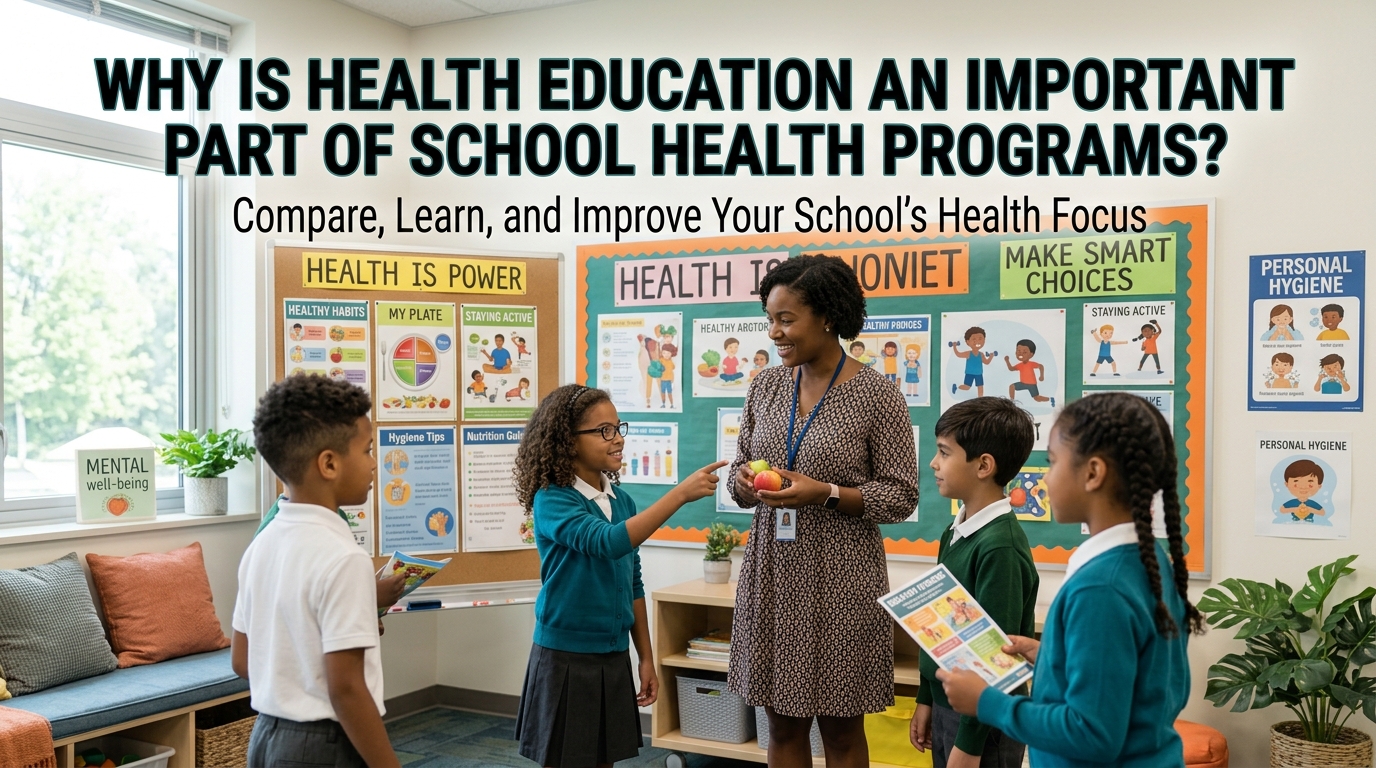
Health education is an essential part of creating a healthy and supportive school environment. Schools are not only responsible for providing academic knowledge but also for helping students understand how to maintain their physical and mental well-being. Through health education, students learn about personal hygiene, balanced nutrition, disease prevention, physical activity, and healthy daily habits. This knowledge helps them make better decisions about their health and avoid behaviors that may cause illness. Therefore, health education is an important part of school health programs because it supports students' development, improves health awareness, and encourages a healthier school community.
1. INCREASING STUDENTS' AWARENESS OF HEALTH
Health education helps students understand the importance of maintaining their health from an early age. Many children do not fully recognize how their daily habits can affect their physical condition and overall well-being. Through school health programs, students can learn about healthy eating, personal hygiene, regular exercise, and adequate sleep. Teachers can deliver this information through classroom lessons, discussions, posters, and practical activities. These learning methods make health information easier to understand and apply in everyday life.
In addition, health education encourages students to become more responsible for their own health. They learn to recognize unhealthy habits and understand why positive lifestyle choices are important. This awareness can influence their daily decisions both at school and at home. Developing health awareness early also helps students build habits that can benefit them throughout their lives.
2. PREVENTING THE SPREAD OF INFECTIOUS DISEASES
One of the main purposes of health education is to teach students how to prevent infectious diseases. Schools bring together many students in shared spaces, making it easier for certain infections to spread through close contact, respiratory particles, contaminated food, or unclean surfaces. Students need to understand how germs can enter the body and cause illness. Health education provides practical information about disease transmission and ways to reduce infection risks. This knowledge helps create a safer environment for everyone in the school community.
Students should be taught to wash their hands with soap and clean running water, cover their mouths when coughing or sneezing, and avoid sharing personal items. Schools should also explain the importance of staying home when experiencing certain contagious illnesses. These practices can reduce the risk of disease transmission when applied consistently. Disease prevention education is therefore an important step in protecting students, teachers, and their families.
3. DEVELOPING GOOD PERSONAL HYGIENE HABITS
Personal hygiene is a basic part of maintaining good health. Through health education, students learn how to keep their bodies and surroundings clean. Important habits include bathing regularly, brushing teeth twice a day, washing hands, wearing clean clothes, and maintaining proper nail hygiene. Teachers can demonstrate these practices and explain how they help prevent infections and other health problems. Regular guidance makes it easier for students to understand and develop healthy routines.
Schools can also provide clean toilets, handwashing stations, and access to safe drinking water to support hygiene education. Students should be encouraged to keep classrooms clean and dispose of waste properly. When schools combine education with adequate facilities, students have more opportunities to practice what they learn. Good personal hygiene habits can improve individual health and contribute to a cleaner school environment.
4. PROMOTING BALANCED NUTRITION AND HEALTHY EATING
Health education helps students understand the relationship between nutrition and physical development. During childhood and adolescence, the body needs sufficient nutrients to support growth, energy, and normal body functions. Students should learn about the importance of consuming balanced meals that include carbohydrates, protein, healthy fats, vitamins, and minerals. They also need to understand why fruits, vegetables, and sufficient water should be part of their daily routines. This knowledge can help students make healthier food choices.
Schools can support nutrition education through classroom activities, healthy cafeteria options, and campaigns about balanced diets. Teachers can explain the effects of excessive consumption of sugary drinks, highly processed foods, and snacks with low nutritional value. However, nutrition education should avoid judging students based on their body shape or family food choices. Healthy eating education should focus on balanced nutrition, positive habits, and access to suitable food rather than unrealistic dietary expectations.
5. SUPPORTING STUDENTS' MENTAL AND EMOTIONAL HEALTH
Health education is not limited to physical health because students also need to understand their mental and emotional well-being. Academic pressure, friendship problems, bullying, and family challenges can affect students' emotional conditions. Schools can provide education about managing stress, recognizing emotions, building healthy relationships, and seeking help when needed. These lessons help students understand that emotional difficulties are common and that asking for support is not something to be ashamed of. A supportive learning environment can also make students feel more comfortable discussing their concerns.
Schools should encourage positive communication and provide access to counselors or qualified mental health professionals when necessary. Students also need to learn how to respect others, manage conflicts, and develop empathy. Teachers should recognize signs of emotional distress and follow appropriate referral procedures. Mental health awareness helps students develop emotional resilience and supports a more positive school atmosphere.
6. ENCOURAGING REGULAR PHYSICAL ACTIVITY
Physical activity is important for maintaining fitness, supporting growth, and improving overall health. Health education helps students understand why regular movement should be part of their daily routines. Activities such as walking, cycling, playing sports, and participating in physical education lessons can improve physical fitness. Regular movement can also support heart health, muscle strength, coordination, and mental well-being. Students who understand these benefits may become more motivated to stay active.
Schools can promote physical activity through sports programs, exercise sessions, outdoor games, and active breaks during lessons. Activities should be appropriate for students' ages, abilities, and individual health conditions. Schools should also encourage students to balance screen time with physical movement. An active lifestyle can help reduce sedentary behavior and support healthier development during childhood and adolescence.
7. TEACHING STUDENTS TO MAKE RESPONSIBLE HEALTH DECISIONS
Health education gives students the knowledge they need to make responsible decisions about their well-being. As children grow older, they face different choices related to food, hygiene, physical activity, relationships, and personal safety. Without adequate information, they may follow unhealthy habits or believe misleading health information. Schools can help students develop critical thinking skills so they can evaluate health messages and understand the possible consequences of their choices. This knowledge encourages students to become more independent in managing their health.
Students should also understand when a health problem requires assistance from adults or healthcare professionals. For example, they need to recognize that persistent pain, unusual symptoms, or emotional difficulties should not be ignored. Teachers can explain how to communicate health concerns to parents, school staff, or medical professionals. Responsible health decisions help students protect themselves and develop greater confidence in handling everyday health situations.
8. BUILDING A CLEAN AND HEALTHY SCHOOL ENVIRONMENT
Health education encourages students to take an active role in maintaining a clean and healthy school environment. Students should understand that cleanliness is not only an individual responsibility but also a shared responsibility among everyone in the school community. Activities such as cleaning classrooms, sorting waste, maintaining toilets, and keeping schoolyards tidy can help develop environmental awareness. These activities also teach students how their surroundings influence health and comfort. A clean environment can reduce certain health risks and create a more pleasant place to study.
Schools should provide adequate sanitation facilities, safe drinking water, proper waste disposal systems, and sufficient ventilation. Teachers can connect these facilities with practical lessons about environmental health. Students who understand the reasons behind cleanliness are more likely to participate in maintaining their surroundings. A healthy school environment supports disease prevention, student comfort, and effective learning activities.
9. STRENGTHENING COOPERATION BETWEEN SCHOOLS AND FAMILIES
Health education becomes more effective when schools and families work together. Students may learn healthy habits at school, but they also need support to practice those habits at home. Parents can encourage balanced eating, proper hygiene, regular exercise, and sufficient sleep. Schools can communicate health information through meetings, educational materials, and parent involvement activities. This cooperation helps create consistent health messages for students.
Schools can also work with community health centers and healthcare professionals to organize health campaigns, examinations, and educational sessions. Healthcare professionals can provide accurate information and help address specific health concerns. Parents and teachers can then reinforce these lessons through everyday activities. Cooperation between schools and families helps build a stronger foundation for students' long-term health.
10. IMPROVING STUDENTS' LEARNING CONCENTRATION AND ACADEMIC PERFORMANCE
Good health supports students' ability to concentrate and participate in learning activities. Students who understand the importance of nutrition, sleep, hygiene, and physical activity may develop habits that support their daily learning routines. For example, adequate sleep can improve alertness, while balanced nutrition helps provide energy for school activities. Health education also helps students recognize when they need rest or medical attention. These factors can contribute to a more comfortable and productive learning experience.
Furthermore, a healthy school environment can reduce avoidable interruptions caused by certain illnesses and health problems. Students who receive appropriate health support may be better prepared to attend classes and participate in academic activities. However, health education alone does not guarantee higher grades because academic performance is influenced by many factors. Health education supports learning readiness by helping students maintain the physical and emotional conditions needed for education.
CONCLUSION
Health education is an important part of school health programs because it provides students with the knowledge and skills needed to maintain their well-being. Through health education, students learn about disease prevention, personal hygiene, balanced nutrition, mental health, and physical activity. These lessons encourage responsible health decisions and help create a cleaner and safer school environment. Cooperation between teachers, parents, and healthcare professionals also makes health education more effective. Ultimately, health education helps develop healthier students, stronger communities, and a better learning environment for the future.
Recent Posts

Bagaimana Sistem SKS pada Program Kuliah... 22.11.2026/35 View

How Does Technology Make Daily Evaluation... 21.11.2026/69 View

Apa Strategi Menghadapi Kesenjangan antara Kompetensi... 21.11.2026/70 View

Mengapa Inventaris Aset Penting bagi Kelancaran... 21.11.2026/67 View

When Should Musicians Join a Record... 21.11.2026/69 View
