

Why Is Honesty An Important Part Of Character Education?
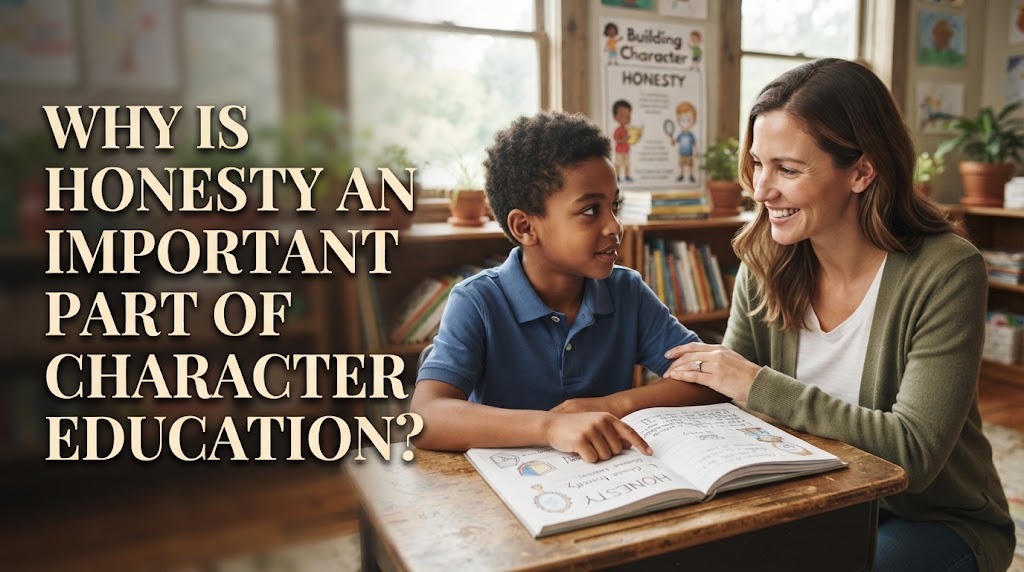
Honesty is one of the most important values in character education because it teaches people to communicate truthfully and act with integrity. For students, honesty can influence how they behave toward teachers, classmates, parents, and other members of society. It encourages them to tell the truth, admit mistakes, and avoid dishonest actions even when no one is watching. Character education helps students understand that honesty is not only about words but also about responsible actions and trustworthy behavior. By practicing honesty from an early age, students can develop a strong foundation for their personal and social development.
BUILDING TRUST WITH OTHERS
Honesty is essential for building trust between people. When students regularly tell the truth and keep their promises, teachers and classmates can become more confident in relying on them. Trust makes communication easier because people do not have to constantly question whether information is accurate. In the classroom, honest communication can help students and teachers understand problems more clearly. This creates a more positive environment for learning and cooperation.
Trust can take a long time to develop but can be damaged quickly by dishonest behavior. For example, repeatedly lying about assignments may cause a teacher to lose confidence in a student's words. Honest behavior helps maintain strong relationships because people know they can depend on one another. Students who understand this connection may become more careful about their words and actions. These habits can also benefit them in friendships, family relationships, and future workplaces.
DEVELOPING INTEGRITY
Honesty is closely connected to integrity, which means following strong moral principles even when there is no external pressure. A student demonstrates integrity by doing the right thing even when a teacher is not watching. This may include completing an assignment independently, returning something that belongs to another person, or admitting a mistake. Character education can help students understand why these actions matter. Over time, integrity can become part of how students make everyday decisions.
Developing integrity also helps students create a consistent relationship between their values and actions. It is not enough to say that honesty is important if a person does not practice it. Teachers and parents can provide positive examples by being truthful and accepting responsibility for their own mistakes. When students observe these behaviors, they can better understand how integrity works in real situations. This makes honesty a practical character value rather than just a theory.
PREVENTING ACADEMIC DISHONESTY
Honesty is particularly important in education because students regularly complete assignments, tests, projects, and other academic activities. Character education can teach students to avoid cheating, plagiarism, and other forms of academic dishonesty. Students may sometimes feel pressure to achieve high grades, but dishonest methods can prevent them from developing genuine knowledge and skills. Understanding the value of honesty can encourage students to complete their work independently. It also helps create a fair learning environment for everyone.
Teachers can support academic honesty by explaining why it matters rather than focusing only on punishment. Students should understand that learning is more important than simply receiving a high score. If students make mistakes, teachers can encourage them to identify what they need to improve. This can reduce the temptation to use dishonest methods to hide weaknesses. A culture of academic integrity can help students develop responsible learning habits.
ENCOURAGING RESPONSIBILITY
Honesty teaches students to take responsibility for their actions. When students admit that they forgot an assignment or made a mistake, they have an opportunity to understand the consequences and find a solution. Hiding the problem may provide temporary relief but can make the situation more difficult later. Honest communication allows students and teachers to address problems before they become larger. This encourages accountability and maturity.
Responsibility also means accepting both positive and negative results. Students should be able to recognize their achievements without taking credit for someone else's work. They should also be willing to acknowledge mistakes without immediately blaming other people. Taking ownership of actions is an important part of developing responsible character. These habits can prepare students for greater responsibilities in higher education, work, and adult life.
IMPROVING COMMUNICATION
Honesty supports clear and effective communication. When students communicate truthfully, teachers and parents can better understand their needs, difficulties, and concerns. For example, a student who honestly explains why an assignment was not completed gives the teacher an opportunity to provide appropriate guidance. Honest communication can also prevent misunderstandings between classmates. This makes it easier to solve problems in a fair and constructive way.
However, honesty should be combined with respect and empathy. Telling the truth does not mean saying things in a hurtful or disrespectful manner. Students can learn to express honest opinions while considering how their words may affect others. Teachers can demonstrate this through calm and respectful communication. This helps students understand that being honest and being kind can work together.
STRENGTHENING SELF CONFIDENCE
Honesty can also contribute to healthy self confidence. When students know that they are being truthful, they do not need to spend as much energy maintaining false stories or hiding dishonest actions. They can become more comfortable acknowledging both their strengths and weaknesses. This allows them to focus on learning and improving instead of pretending to be perfect. Honest self evaluation can therefore support personal growth.
Students also need to understand that making mistakes does not make them failures. Admitting mistakes can be a sign of courage and maturity when it is followed by an effort to improve. Parents and teachers can create supportive environments where students are encouraged to tell the truth while still being held accountable. This balance can help students develop confidence without avoiding responsibility. As a result, honesty can support both character and emotional development.
PREPARING STUDENTS FOR FUTURE LIFE
The value of honesty extends beyond school. Young people will eventually enter workplaces and communities where trust, reliability, and ethical behavior are important. Employers, colleagues, and members of society need people who can communicate accurately and keep their commitments. Students who practice honesty early can carry these habits into future responsibilities. Character education therefore prepares students for situations where their decisions can have wider consequences.
Honesty can also help students become responsible members of society. They may face situations involving money, work, relationships, digital information, and important decisions. Strong ethical values can help them evaluate these situations and choose responsible actions. Although honesty does not guarantee that a person will never make mistakes, it provides a useful principle for handling mistakes openly. This makes honesty a lasting foundation for personal and professional life.
CONCLUSION
Honesty is an important part of character education because it builds trust, develops integrity, encourages responsibility, improves communication, and supports healthy self confidence. It also helps students avoid academic dishonesty and understand the importance of taking ownership of their actions. Honesty becomes stronger when children receive consistent examples and guidance from parents, teachers, and their communities. Students should learn that telling the truth includes being respectful, accepting mistakes, and making an effort to improve. By practicing honesty regularly, students can develop trustworthy and responsible character that will benefit them throughout their lives.
Recent Posts

Bagaimana Sistem SKS pada Program Kuliah... 22.11.2026/35 View

How Does Technology Make Daily Evaluation... 21.11.2026/69 View

Apa Strategi Menghadapi Kesenjangan antara Kompetensi... 21.11.2026/69 View

Mengapa Inventaris Aset Penting bagi Kelancaran... 21.11.2026/67 View

When Should Musicians Join a Record... 21.11.2026/68 View
