

Why Is Identity Verification Important for Preventing Identity Fraud?
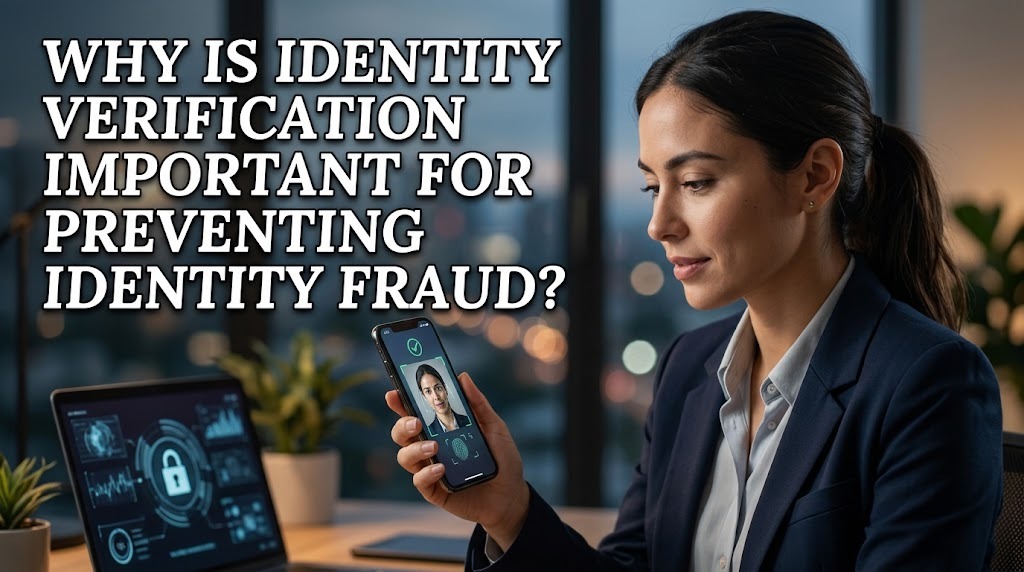
Identity verification is an important process for protecting personal information and preventing identity fraud in the digital age. As more people use online banking, social media, e-commerce platforms, and digital services, the risk of identity theft and impersonation continues to increase. Criminals may use stolen personal information to create fake accounts, access financial services, or conduct illegal transactions under someone else's name.
Identity verification helps organizations confirm whether a person is truly who they claim to be. By checking personal information and using reliable authentication methods, businesses and institutions can reduce fraudulent activities and improve digital security. Understanding the importance of identity verification can help individuals protect their personal data and avoid becoming victims of identity fraud.
WHAT IS IDENTITY VERIFICATION?
Identity verification is the process of confirming a person's identity using official documents, personal information, biometric data, or other authentication methods. This process helps ensure that someone accessing an account or service is the legitimate owner of the identity they provide. Common verification methods include checking government-issued identification cards, passports, facial recognition, fingerprints, and one-time passwords.
Many organizations use identity verification before allowing customers to open bank accounts, register for digital services, or complete important transactions. In online environments, verification systems may also compare submitted information with trusted databases to identify inconsistencies. These checks make it more difficult for criminals to use stolen information or fake identities to access services.
HOW DOES IDENTITY VERIFICATION PREVENT IDENTITY FRAUD?
Identity verification helps prevent identity fraud by ensuring that personal information belongs to the individual using it. When someone attempts to create an account or access a service, the system checks their identity through approved verification procedures. If the submitted information does not match the required records, the system can reject the application or request additional verification.
This process reduces opportunities for criminals to impersonate other people using stolen identification documents or personal details. For example, a fraudster who obtains someone else's identification information may still fail to pass facial recognition or other authentication checks. By identifying suspicious activities before access is granted, organizations can prevent unauthorized account creation, financial fraud, and other forms of identity misuse.
WHAT ARE THE COMMON IDENTITY VERIFICATION METHODS?
There are several identity verification methods used by businesses, financial institutions, and digital platforms. Document verification is one of the most common approaches because it checks official identification documents such as national identity cards, passports, and driving licenses. Organizations may also use biometric verification, including facial recognition and fingerprint scanning, to confirm that a person matches their registered identity.
Another method is two-factor authentication, which requires users to provide additional proof before accessing an account. This may involve entering a one-time password sent through a registered phone number or email address. Some advanced systems also use artificial intelligence to analyze identity documents, detect suspicious patterns, and identify possible manipulation. Combining several verification methods can provide stronger protection than relying on a single security check.
WHY IS IDENTITY VERIFICATION IMPORTANT FOR DIGITAL SECURITY?
Identity verification plays an important role in protecting digital accounts and sensitive personal information. Without proper verification, criminals may find it easier to create fake accounts, access private information, or conduct transactions using another person's identity. These activities can cause financial losses, damage personal reputations, and create long-term problems for victims.
For businesses, reliable verification systems help protect customers and reduce the risk of fraudulent transactions. They also support compliance with applicable security requirements and identity-checking regulations. In addition, effective verification can increase customer confidence because users know that their personal information and digital accounts receive appropriate protection. As digital services continue to develop, identity verification becomes an essential part of maintaining a safer online environment.
HOW CAN INDIVIDUALS AND BUSINESSES IMPROVE IDENTITY VERIFICATION?
Individuals can improve their identity security by using strong passwords, enabling two-factor authentication, and avoiding sharing personal information with unknown websites or individuals. They should also protect copies of identification documents and check whether a digital platform uses secure and trustworthy verification procedures. If suspicious account activity occurs, reporting it immediately can help prevent further misuse.
Businesses should use reliable verification systems that combine document checks, biometric authentication, and suspicious activity monitoring when appropriate. They must also protect collected personal information through encryption, restricted access, and secure data storage. Verification procedures should be regularly reviewed to address new fraud techniques while ensuring that legitimate users can still access services conveniently. Organizations should also follow applicable privacy and data protection laws when collecting and processing identity information.
CONCLUSION
Identity verification is essential for preventing identity fraud because it helps confirm that individuals are using their real identities when accessing services or completing transactions. Through document verification, biometric authentication, and additional security checks, organizations can reduce impersonation, unauthorized access, and financial fraud.
Both individuals and businesses have an important role in maintaining identity security. By adopting reliable verification methods and protecting personal information, they can reduce fraud risks and create a safer digital environment. As technology continues to advance, strong identity verification will remain an important part of protecting people and organizations from identity-related crimes.
Recent Posts

Bagaimana Sistem SKS pada Program Kuliah... 22.11.2026/37 View

How Does Technology Make Daily Evaluation... 21.11.2026/70 View

Apa Strategi Menghadapi Kesenjangan antara Kompetensi... 21.11.2026/73 View

Mengapa Inventaris Aset Penting bagi Kelancaran... 21.11.2026/68 View

When Should Musicians Join a Record... 21.11.2026/71 View
