

Why Is Indonesian Batik Recognized as an Important Cultural Heritage?
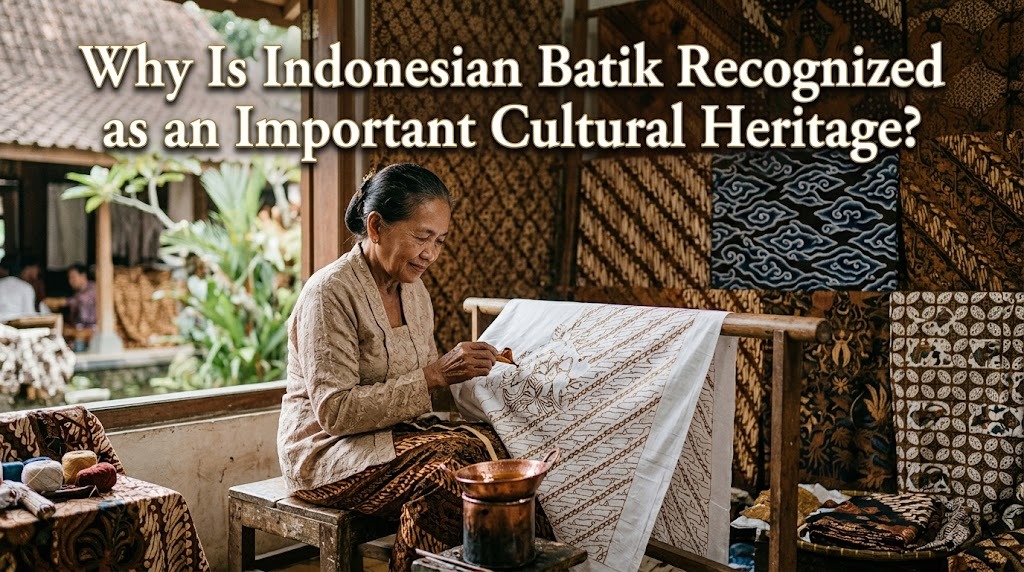
Indonesian batik is one of the country's most recognizable cultural treasures. Known for its detailed patterns, traditional techniques, and symbolic meanings, batik represents the creativity and cultural identity of Indonesian communities. It is more than a decorative fabric because its production involves knowledge, artistic skills, and traditions passed down through generations.
Batik is worn during formal events, cultural celebrations, traditional ceremonies, and everyday activities. Its patterns often reflect local history, philosophy, nature, and social values. In recognition of its cultural significance, UNESCO inscribed Indonesian batik on the Representative List of the Intangible Cultural Heritage of Humanity in 2009. This international recognition highlights why batik remains an important part of Indonesia's cultural heritage.
WHAT IS INDONESIAN BATIK?
Indonesian batik is a traditional textile art that uses wax-resist dyeing to create patterns on fabric. Artisans apply hot wax to selected areas of the cloth before dyeing it, preventing the covered sections from absorbing certain colors. The process can be repeated to produce detailed designs with multiple colors and layers. Traditional batik is commonly made using a canting, a small tool for applying liquid wax, or a copper stamp called a cap.
Batik production requires patience, precision, and a strong understanding of materials and techniques. Different regions have developed distinctive patterns, color combinations, and artistic styles. Although modern production methods have made batik more widely available, handmade batik continues to hold particular cultural and artistic value. The combination of craftsmanship and cultural meaning makes Indonesian batik a significant form of traditional heritage.
BATIK REPRESENTS INDONESIAN CULTURAL IDENTITY
Batik is an important symbol of Indonesian cultural identity because it reflects the country's diverse communities and artistic traditions. Different regions have developed distinctive batik styles influenced by local history, beliefs, environments, and cultural exchanges. These variations demonstrate that Indonesian culture is diverse rather than uniform. Batik provides a shared cultural symbol while allowing communities to express their unique identities.
For many Indonesians, wearing batik is a way to show appreciation for national heritage. Batik is commonly worn at official events, school activities, workplace gatherings, weddings, and other important occasions. Its use in different settings helps connect traditional craftsmanship with modern life. By continuing to wear and produce batik, Indonesians help maintain a cultural tradition that remains relevant across generations.
UNESCO RECOGNITION OF INDONESIAN BATIK
Indonesian batik received international recognition in 2009 when UNESCO inscribed it on the Representative List of the Intangible Cultural Heritage of Humanity. The recognition acknowledged batik as a living tradition involving artistic techniques, cultural symbolism, and knowledge passed from one generation to another. It also highlighted the importance of batik in Indonesian social and cultural life. This recognition helped introduce the tradition to a wider international audience.
UNESCO's recognition does not mean that batik is simply a historical object preserved in a museum. Instead, it emphasizes the people, skills, and practices that keep the tradition alive. Batik makers, teachers, families, and cultural organizations all contribute to its continuation. International recognition also encourages greater awareness of the need to protect traditional knowledge and support the communities that maintain it.
THE SYMBOLIC MEANINGS OF BATIK PATTERNS
One reason Indonesian batik is culturally important is that its patterns can communicate meanings beyond their visual appearance. Some traditional motifs represent hopes for prosperity, harmony, wisdom, or responsible leadership. Other designs draw inspiration from plants, animals, geometric forms, and elements of the natural environment. The meaning of a motif can depend on the region, community, and context in which it is used.
For example, certain traditional batik motifs from Yogyakarta and Surakarta have historical associations with Javanese court culture. Some designs were traditionally connected with particular social settings or ceremonies, although their use has changed over time. Other regional batik traditions feature brighter colors and motifs influenced by local environments and cultural interactions. Understanding these patterns helps people appreciate batik as a form of cultural expression rather than simply a fashion choice.
BATIK REFLECTS REGIONAL CULTURAL DIVERSITY
Indonesian batik includes many regional styles, each with its own history and artistic characteristics. Yogyakarta and Solo are known for traditional Javanese motifs and color palettes associated with their court traditions. Pekalongan, on the northern coast of Java, is recognized for diverse designs and historical influences connected with trade and cultural exchange. Other areas, including Cirebon, have distinctive patterns that reflect their own artistic histories.
These regional differences demonstrate how batik has developed through interactions between local communities and outside influences. Artisans have adapted patterns, colors, and techniques to reflect changing tastes and cultural experiences. Despite these variations, the use of wax-resist methods connects many batik traditions. Preserving regional styles is therefore important for maintaining the broader diversity of Indonesian textile heritage.
BATIK SUPPORTS LOCAL ARTISANS AND THE ECONOMY
Batik production provides livelihoods for artisans, small business owners, textile workers, designers, and sellers. Traditional batik making requires specialized skills that may take years to develop. Supporting batik producers helps maintain these skills and creates opportunities for experienced artisans to teach younger generations. It also allows traditional craftsmanship to remain part of the modern economy.
Batik businesses can benefit from cultural tourism, exhibitions, local markets, and online sales. Visitors may purchase batik as clothing, souvenirs, or handmade gifts, creating income for producers and retailers. However, it is important to recognize the differences between handmade batik and fabric produced through printing or other industrial methods. Fair prices, accurate product descriptions, and appropriate recognition of artisans can help support the long-term sustainability of the tradition.
BATIK CONNECTS GENERATIONS THROUGH TRADITIONAL KNOWLEDGE
Batik is preserved through the transfer of knowledge from experienced practitioners to new learners. Artisans teach techniques such as preparing fabric, applying wax, mixing dyes, and creating complex patterns. Families and workshops can play important roles in passing down these skills. Learning batik also introduces younger generations to the cultural meanings and histories associated with particular designs.
Educational programs, craft workshops, and cultural demonstrations provide opportunities for students to experience batik making directly. These activities help people understand the effort and knowledge required to produce traditional textiles. They can also encourage younger generations to explore careers in traditional crafts and creative industries. By supporting learning opportunities, communities can ensure that batik remains a living tradition rather than becoming disconnected from its practitioners.
THE ROLE OF BATIK IN MODERN FASHION
Batik continues to develop through its use in contemporary fashion and design. Indonesian designers incorporate batik into shirts, dresses, jackets, accessories, and other products. Some combine traditional motifs with modern cuts and materials, allowing batik to appeal to different age groups and markets. These adaptations can help keep the tradition visible in everyday life.
Modern fashion can support batik preservation when it respects the knowledge and cultural significance behind the designs. Designers and businesses should acknowledge traditional sources where appropriate and work fairly with artisans. Consumers can also contribute by learning about the products they buy and supporting responsible producers. This balance between innovation and cultural respect helps batik remain relevant without losing its connection to Indonesian heritage.
HOW CAN INDONESIANS HELP PRESERVE BATIK?
Indonesians can help preserve batik by learning about its history, wearing it, and supporting authentic batik producers. Schools and educational institutions can introduce students to traditional textile techniques and regional motifs. Cultural organizations can organize exhibitions, workshops, and demonstrations that allow artisans to share their knowledge. These activities can increase public awareness and encourage greater appreciation of batik's cultural significance.
Consumers can also support preservation by purchasing products from responsible producers and learning the differences between handmade batik and printed textiles. Governments and cultural institutions can help by providing training, documenting traditional techniques, and creating opportunities for artisans to reach wider markets. Most importantly, batik preservation should recognize the contributions and rights of the people who maintain the tradition. Through these combined efforts, batik can continue to thrive in Indonesia and gain appreciation around the world.
CONCLUSION
Indonesian batik is recognized as an important cultural heritage because it combines artistic craftsmanship, cultural identity, symbolic patterns, regional diversity, and knowledge passed down through generations. UNESCO's recognition in 2009 highlighted its significance as a living tradition that continues to shape Indonesian cultural life. Batik also supports local artisans, creates economic opportunities, and connects traditional skills with modern fashion.
Preserving batik requires more than protecting its patterns and techniques. It also means supporting the artisans, families, and communities that keep the tradition alive. By learning about batik, appreciating its regional differences, and supporting responsible producers, people can help ensure that this valuable cultural heritage continues to flourish for future generations.
Recent Posts

Bagaimana Sistem SKS pada Program Kuliah... 22.11.2026/49 View

How Does Technology Make Daily Evaluation... 21.11.2026/76 View

Apa Strategi Menghadapi Kesenjangan antara Kompetensi... 21.11.2026/78 View

Mengapa Inventaris Aset Penting bagi Kelancaran... 21.11.2026/74 View

When Should Musicians Join a Record... 21.11.2026/78 View
