

Why Is Integrity Important in Police Academy Training?
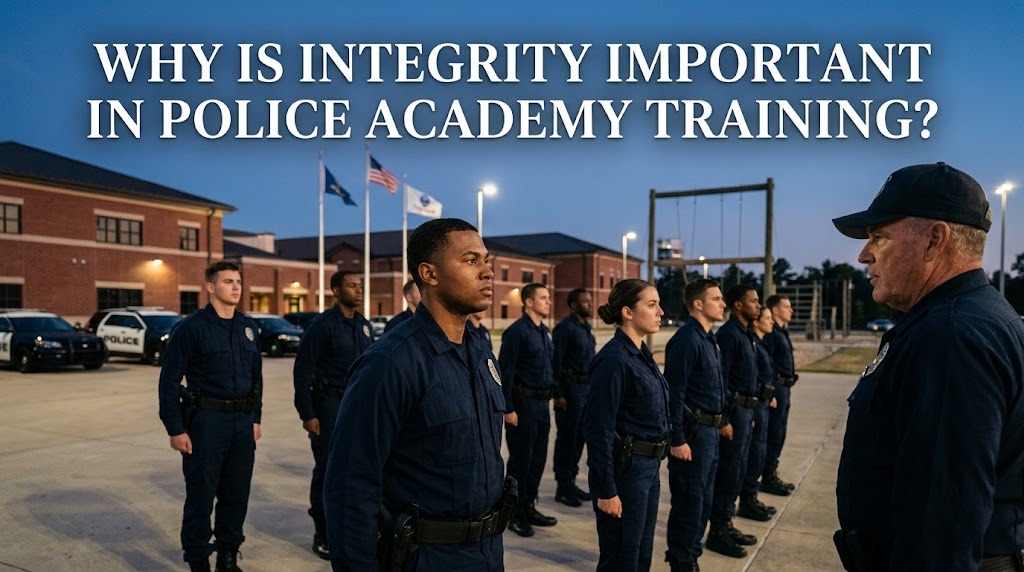
Integrity is one of the most important values developed during police academy training because police officers are entrusted with authority, public safety, and the responsibility to uphold the law. Future officers must demonstrate honesty, fairness, accountability, and respect for the rights of others. Without integrity, even officers with strong physical abilities and extensive legal knowledge may misuse their authority or make decisions that harm the public. Police academy training therefore places importance on developing not only professional skills but also strong moral character. These values help prepare cadets to become responsible officers who understand the importance of public trust.
In Indonesia, the Indonesian Police Academy, known as Akademi Kepolisian (Akpol), prepares cadets for careers as commissioned officers in the Indonesian National Police. Integrity is essential throughout this education because cadets must learn to make ethical decisions, follow professional standards, and accept responsibility for their actions. Developing these habits during training helps establish a foundation for their future duties. By understanding the importance of integrity early, cadets can prepare themselves to face the ethical challenges of law enforcement.
BUILDING HONESTY AND PERSONAL RESPONSIBILITY
Honesty is a fundamental part of integrity because police officers must provide accurate information, report incidents truthfully, and act transparently within the limits of their responsibilities. During academy training, cadets need to understand that honesty applies to examinations, assignments, practical exercises, and daily interactions. They should not falsify records, cheat during assessments, or conceal mistakes to protect their personal image. Learning to admit errors allows cadets to receive appropriate guidance and improve their performance. These habits encourage them to become dependable individuals who can be trusted with professional responsibilities.
Personal responsibility is equally important because police officers must understand the consequences of their decisions. Cadets learn that completing a task involves more than following instructions; it also requires attention to accuracy, safety, and ethical standards. When they make mistakes, they should acknowledge what happened and take appropriate steps to correct the problem. Instructors can reinforce this principle through supervision, performance evaluations, and constructive feedback. By developing honesty and responsibility together, the academy helps cadets understand that integrity must be demonstrated through consistent actions.
PREVENTING THE MISUSE OF POLICE AUTHORITY
Police officers have responsibilities and powers that can significantly affect people's lives. These powers must be exercised lawfully, proportionately, and for legitimate public purposes. Integrity helps cadets understand that their authority must never be used to obtain personal benefits, intimidate others, or settle private disputes. Training should emphasize the importance of following legal procedures and respecting the limits of official power. Understanding these boundaries prepares future officers to act professionally in situations where their decisions may affect individual rights and public safety.
Preventing the misuse of authority also requires awareness of corruption and conflicts of interest. Cadets should learn why accepting bribes, manipulating evidence, or providing unfair treatment can undermine justice and public confidence. They must recognize that personal relationships and financial interests should not influence official decisions improperly. Ethical education can help them identify situations in which they need to refuse inappropriate requests or report misconduct through authorized channels. By establishing clear ethical expectations during training, the academy helps prepare officers to resist practices that could damage their careers and the reputation of the police institution.
STRENGTHENING FAIRNESS AND RESPECT FOR HUMAN RIGHTS
Integrity requires police officers to treat people fairly, regardless of their social background, financial status, beliefs, or personal connections. Cadets must understand that the law should be applied according to relevant legal standards rather than personal prejudice or favoritism. Police academy education can help them recognize how bias may influence judgment and lead to unequal treatment. Through discussions and practical scenarios, cadets can learn to evaluate situations based on evidence and applicable procedures. This approach supports professional conduct and helps protect the rights of individuals who interact with law enforcement.
Respect for human rights is also an essential part of ethical policing. Officers must understand the importance of dignity, lawful treatment, and appropriate use of force. Integrity encourages cadets to recognize that a person's legal rights remain important even during investigations, arrests, or other difficult encounters. They should learn to avoid unnecessary force, follow established safeguards, and report actions that violate professional standards. By connecting integrity with fairness and human rights, the academy helps future officers understand that effective law enforcement must remain accountable to the law.
DEVELOPING ETHICAL DECISION MAKING
Police officers may encounter situations in which they must choose between personal convenience and professional responsibility. For example, an officer might face pressure from a colleague, receive an inappropriate offer, or discover information that reveals a mistake in an investigation. Integrity helps officers evaluate these situations according to the law, ethical principles, and their duty to the public. Police academy training can use case studies, discussions, and realistic simulations to help cadets consider possible consequences before taking action. These learning activities encourage careful reasoning instead of decisions driven by fear, personal gain, or pressure from others.
Ethical decision-making also requires courage and sound judgment. Cadets should understand that doing the right thing may sometimes involve admitting an error, refusing an improper instruction, or reporting misconduct through the appropriate procedures. They must also distinguish between lawful instructions and requests that conflict with legal or professional obligations. Instructors can help them practice explaining their decisions and identifying the principles behind their actions. Developing these skills prepares cadets to handle difficult circumstances with greater confidence and accountability.
CREATING A CULTURE OF DISCIPLINE AND ACCOUNTABILITY
Integrity becomes stronger when it is supported by a training environment that values discipline and accountability. Police academies establish standards for conduct, attendance, performance, and cooperation so cadets understand the expectations placed upon them. These standards should be applied fairly and consistently to encourage respect for rules rather than fear of punishment alone. Instructors also play an important role by demonstrating the professional behavior they expect from cadets. When ethical conduct is reinforced through everyday practice, integrity becomes part of the academy's learning culture.
Accountability means being prepared to explain actions and accept appropriate consequences when standards are not met. Cadets should learn that mistakes and misconduct must be addressed honestly instead of hidden or ignored. Fair evaluation procedures can help distinguish between errors that require additional instruction and deliberate violations that require formal consequences. This approach encourages continuous improvement while maintaining clear professional boundaries. A culture of accountability helps prepare cadets to work in institutions where public responsibilities require transparency and responsible conduct.
BUILDING PUBLIC TRUST AND PROFESSIONAL CREDIBILITY
Public trust is essential for effective policing because officers often depend on cooperation from community members to prevent crime, investigate incidents, and maintain public safety. When officers act honestly and fairly, people have stronger reasons to believe that their concerns will be handled professionally. Conversely, corruption, discrimination, and abuse of authority can damage public confidence and make cooperation more difficult. Police academy training must therefore help cadets understand how their conduct influences the reputation of both individual officers and the institution. Integrity encourages them to prioritize public service over personal interests.
Professional credibility is built through consistent behavior rather than statements about good intentions. Officers must demonstrate that they can be trusted to protect information appropriately, handle evidence carefully, and treat people respectfully. They should also communicate truthfully about their actions within the requirements of law and professional confidentiality. These responsibilities apply in routine duties as well as high-pressure situations. By learning to maintain consistent ethical standards, cadets can develop the professional credibility needed to serve their communities effectively.
PREPARING FUTURE OFFICERS TO FACE ETHICAL CHALLENGES
Police work can expose officers to pressure, uncertainty, and situations in which unethical behavior may appear to offer an easy solution. Cadets need to understand how such pressures can affect judgment and why personal values must remain consistent even when supervision is limited. Training can help them recognize warning signs, assess ethical risks, and identify appropriate ways to seek advice or report concerns. They should also learn the importance of maintaining professional boundaries and avoiding situations that could create conflicts of interest. These preparations help future officers respond more responsibly when facing challenging decisions.
Integrity must continue developing after academy graduation. Officers need ongoing education, professional supervision, and opportunities to reflect on their experiences as laws and policing practices evolve. Supportive leadership can encourage officers to raise concerns, learn from mistakes, and report misconduct without normalizing unethical behavior. At the same time, clear standards and fair disciplinary procedures help maintain accountability throughout the organization. By establishing a strong ethical foundation during training and reinforcing it throughout a career, the police institution can better support professional and trustworthy service.
CONCLUSION
Integrity is essential in police academy training because it shapes how future officers use authority, make decisions, respect human rights, and serve the public. Through ethical education, disciplined routines, practical exercises, and accountability, cadets learn to value honesty, fairness, and responsibility. These qualities help prevent misconduct, strengthen professional credibility, and build public trust. Integrity also enables officers to face pressure without abandoning their legal and ethical obligations. Ultimately, police academy training should develop not only capable law enforcement professionals but also individuals who are committed to justice, responsible leadership, and the public interest.
Recent Posts

Bagaimana Sistem SKS pada Program Kuliah... 22.11.2026/57 View

How Does Technology Make Daily Evaluation... 21.11.2026/86 View

Apa Strategi Menghadapi Kesenjangan antara Kompetensi... 21.11.2026/84 View

Mengapa Inventaris Aset Penting bagi Kelancaran... 21.11.2026/82 View

When Should Musicians Join a Record... 21.11.2026/86 View
