

Why Is Inventory Control Important in Operations Management?
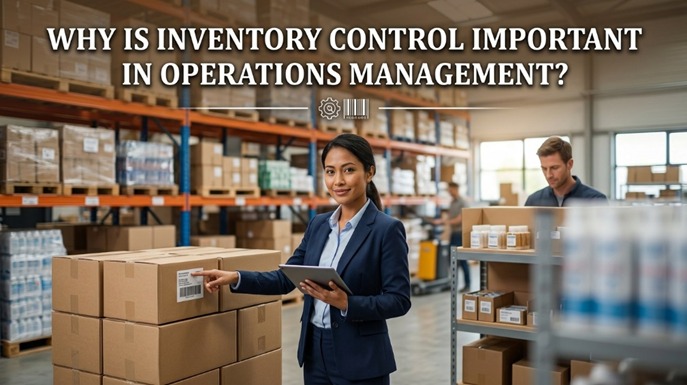
Inventory control is one of the most important activities in operations management because it helps businesses maintain the right quantity of products, materials, and supplies. Every company that handles physical goods needs an effective inventory system to ensure that products are available when customers need them. Without proper control, businesses may experience stock shortages, excess inventory, higher storage costs, and delays in daily operations.
In modern business environments, inventory management is not only about counting products in a warehouse. It also involves monitoring stock movements, predicting demand, coordinating purchases, and maintaining accurate records. Effective inventory control allows companies to use their resources efficiently, improve customer satisfaction, and maintain stable business performance.
1. PREVENTING STOCK SHORTAGES AND EXCESS INVENTORY
One of the main reasons inventory control is important is that it helps businesses maintain balanced stock levels. Stock shortages occur when a company does not have enough products to meet customer demand, while excess inventory happens when more goods are stored than necessary. Both situations can negatively affect business performance. Shortages may result in lost sales and dissatisfied customers, whereas excessive stock can increase storage expenses and the risk of product damage.
Through proper inventory monitoring, businesses can determine how much stock they need and when to replenish it. For example, a supermarket can use sales records to identify fast-selling products and ensure that sufficient quantities are available. This approach helps prevent unnecessary purchases while maintaining product availability.
2. REDUCING OPERATIONAL AND STORAGE COSTS
Inventory control helps businesses manage expenses related to purchasing, storing, handling, and maintaining products. Keeping too much inventory can increase warehouse rental fees, electricity consumption, insurance expenses, and labor costs. Certain products may also expire, become outdated, or lose their value if they remain in storage for too long. Therefore, maintaining appropriate inventory levels is essential for controlling operational expenses.
By analyzing stock requirements and purchasing patterns, companies can avoid unnecessary inventory accumulation. Businesses can also organize warehouse space more efficiently and reduce costs associated with damaged or unsold products. As a result, effective inventory control supports better financial management and improves overall profitability.
3. IMPROVING CUSTOMER SATISFACTION
Product availability plays an important role in determining customer satisfaction. Customers generally expect businesses to provide the products they need without unnecessary delays. When companies frequently experience stock shortages, customers may choose competitors that can fulfill their orders more quickly. This can reduce customer loyalty and negatively affect the company's reputation.
A well-organized inventory system helps businesses maintain sufficient stock to meet customer demand. It also allows employees to provide more accurate information about product availability and delivery schedules. By ensuring that products are ready when needed, companies can improve service quality, build customer trust, and encourage repeat purchases.
4. SUPPORTING BETTER PRODUCTION PLANNING
Inventory control is essential for manufacturing companies because production activities depend on the availability of raw materials, components, and other supplies. If important materials are unavailable, production schedules may be interrupted, causing delays and increasing operational costs. On the other hand, purchasing excessive raw materials can create unnecessary storage expenses and tie up business capital.
With accurate inventory information, production managers can determine the materials required for upcoming manufacturing activities. They can coordinate purchasing schedules with production plans and ensure that essential supplies are available at the right time. This helps maintain a consistent production process, reduce interruptions, and improve resource utilization.
5. IMPROVING CASH FLOW AND FINANCIAL MANAGEMENT
Inventory represents a significant investment for many businesses because money is spent on purchasing goods before those products generate revenue. When too much capital is tied up in unsold inventory, companies may have less money available for salaries, marketing, equipment, and other business expenses. This situation can create financial pressure, especially for small and medium-sized enterprises.
Effective inventory control helps businesses maintain a healthier balance between available stock and working capital. By purchasing products according to actual demand, companies can reduce unnecessary spending and improve cash flow management. In addition, accurate inventory records help managers estimate inventory value, monitor expenses, and make better financial decisions.
6. INCREASING WAREHOUSE EFFICIENCY
A well-managed inventory system makes warehouse activities more organized and efficient. Employees can identify product locations, monitor stock quantities, and process incoming or outgoing goods more easily. Without clear inventory records, workers may spend too much time searching for products, checking quantities manually, or correcting recording errors.
Businesses can improve warehouse operations by using organized storage systems, product labeling, barcode scanning, and regular stock checks. These methods reduce handling mistakes and make order fulfillment faster. Consequently, warehouse efficiency improves, employees can complete tasks more effectively, and products can be delivered to customers with fewer delays.
7. REDUCING THE RISK OF PRODUCT DAMAGE AND OBSOLESCENCE
Products stored for extended periods may become damaged, expire, or lose their market value. This is particularly important for businesses that handle food, medicine, cosmetics, electronic products, and seasonal goods. Without proper inventory monitoring, companies may fail to identify products that need to be sold or used before their expiration dates or market demand decreases.
Inventory control helps businesses monitor product conditions, storage periods, and stock movements. One useful method is First In, First Out (FIFO), which prioritizes using or selling older inventory before newer stock. For products with expiration dates, the First Expired, First Out (FEFO) method may be more appropriate. These practices help minimize waste, protect product quality, and reduce financial losses.
8. SUPPORTING BETTER BUSINESS DECISION-MAKING
Accurate inventory information provides valuable insights that managers can use when planning business activities. By reviewing inventory records, companies can identify popular products, slow-moving items, seasonal demand patterns, and purchasing trends. This information helps managers understand which products should be reordered, reduced, or removed from their inventory.
For example, a clothing retailer can analyze previous sales data to determine which product categories are most popular during certain seasons. The business can then adjust purchasing quantities to match expected demand. Through reliable inventory information, managers can make more informed decisions, improve purchasing strategies, and reduce business risks.
9. IMPROVING SUPPLY CHAIN COORDINATION
Inventory control also plays an important role in maintaining smooth relationships between businesses, suppliers, distributors, and customers. Poor inventory management can create communication problems, delayed purchases, and interruptions in product distribution. When stock information is inaccurate, companies may order materials too late or purchase quantities that do not match their actual requirements.
By maintaining updated inventory records and sharing relevant information with suppliers, businesses can coordinate purchasing and delivery schedules more effectively. Companies can also establish appropriate reorder points and maintain safety stock to prepare for unexpected demand or supply delays. Better coordination helps strengthen supply chain management and supports more reliable business operations.
10. USING TECHNOLOGY FOR MORE EFFECTIVE INVENTORY CONTROL
Technology has made inventory control more accurate, practical, and efficient. Many businesses now use inventory management software to record stock movements, monitor product quantities, and generate reports automatically. Barcode scanners and RFID systems can also help identify products and update inventory records more quickly than traditional manual methods.
More advanced systems can connect inventory information with purchasing, accounting, sales, and warehouse operations. This integration gives managers a clearer view of business activities and helps them respond to changes in demand. However, companies must select technology that matches their operational needs, maintain accurate data, and train employees to use the system properly.
CONCLUSION
Inventory control is essential in operations management because it helps businesses maintain appropriate stock levels, reduce expenses, improve customer satisfaction, and support efficient production activities. It also contributes to better cash flow, organized warehouse operations, reduced product waste, and stronger supply chain coordination.
To achieve these benefits, companies need accurate inventory records, effective stock monitoring methods, reliable suppliers, and appropriate technology. Good inventory control is not simply about storing products but about managing resources strategically. Businesses that apply effective inventory practices can improve operational efficiency, reduce financial risks, and build a stronger foundation for long-term growth.
Recent Posts

Bagaimana Sistem SKS pada Program Kuliah... 22.11.2026/12 View

How Does Technology Make Daily Evaluation... 21.11.2026/63 View

Apa Strategi Menghadapi Kesenjangan antara Kompetensi... 21.11.2026/64 View

Mengapa Inventaris Aset Penting bagi Kelancaran... 21.11.2026/61 View

When Should Musicians Join a Record... 21.11.2026/59 View
