

Why Is Inventory Management Important for Successful Business Logistics?
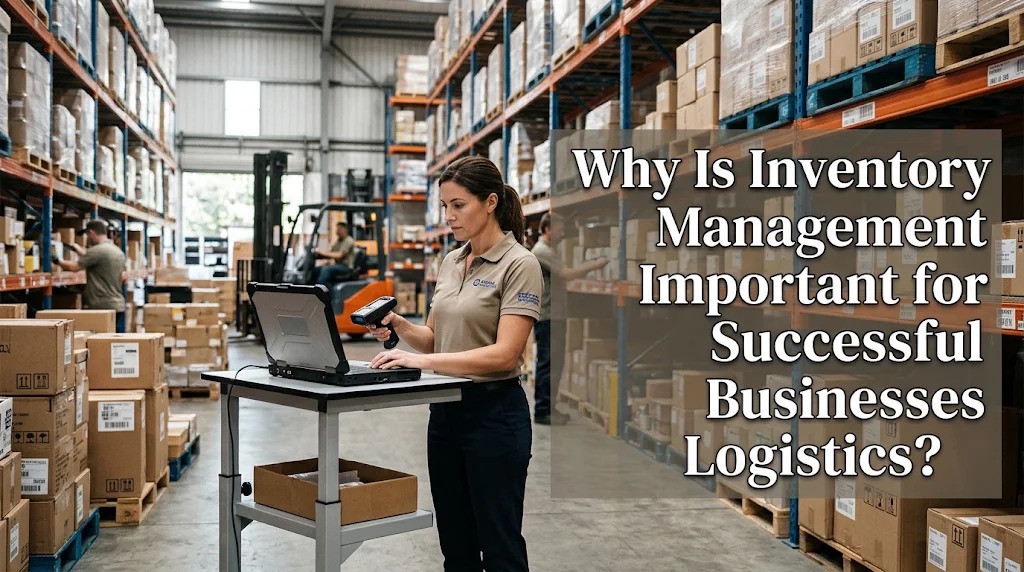
Inventory management is an essential part of successful business logistics because it helps companies control the availability, storage, and movement of products. Every business needs sufficient inventory to meet customer demand while avoiding unnecessary storage expenses. Poor inventory management can lead to product shortages, excess stock, delayed deliveries, and financial losses. These problems may affect daily operations and reduce customer satisfaction. By implementing effective inventory management strategies, companies can maintain stable product supplies, improve operational efficiency, and support long-term business growth.
UNDERSTANDING INVENTORY MANAGEMENT IN BUSINESS LOGISTICS
Inventory management is the process of monitoring, organizing, and controlling the quantity of goods, raw materials, and finished products owned by a company. Its main purpose is to ensure that the right products are available when needed without creating unnecessary stock accumulation.
In business logistics, inventory management connects purchasing, warehousing, production, and distribution activities. For example, a retail company must monitor product availability to ensure that popular items remain in stock. Meanwhile, manufacturing companies need sufficient raw materials to maintain production schedules. Accurate inventory management helps businesses understand their stock conditions, plan future purchases, and prevent operational disruptions.
PREVENTING PRODUCT SHORTAGES AND EXCESS INVENTORY
One of the main benefits of inventory management is preventing product shortages. When companies do not monitor stock levels properly, they may run out of products before new supplies arrive. This situation can interrupt business activities, delay customer orders, and create opportunities for competitors to attract dissatisfied customers.
Inventory management also helps businesses avoid excess inventory. Keeping too many products in storage can increase warehouse expenses, insurance costs, and the risk of damaged or outdated goods. Companies should analyze sales patterns and customer demand to determine appropriate stock quantities. By maintaining balanced inventory levels, businesses can ensure product availability while controlling unnecessary expenses.
IMPROVING OPERATIONAL EFFICIENCY AND REDUCING COSTS
Effective inventory management improves operational efficiency by helping companies organize their storage and distribution activities. When inventory records are accurate, employees can identify product locations, check available quantities, and prepare customer orders more quickly. This reduces unnecessary searching, incorrect shipments, and delays in warehouse operations.
Another important advantage is cost reduction. Companies can avoid unnecessary purchasing, minimize storage expenses, and reduce losses caused by damaged or expired products. Inventory planning also helps businesses use their financial resources more effectively because money is not unnecessarily tied up in excessive stock. As a result, companies can improve cash flow and allocate their budgets to other important operational needs.
USING TECHNOLOGY TO IMPROVE INVENTORY CONTROL
Modern technology has made inventory management more accurate and efficient. Many businesses use inventory management software to record stock movements, monitor product quantities, and update inventory information automatically. These systems help employees access current stock data without relying entirely on manual records.
Other technologies, such as barcode scanners and radio frequency identification (RFID), make it easier to identify and track products throughout the logistics process. Some advanced systems also use artificial intelligence and data analytics to predict future demand based on historical sales information and market trends. These tools help companies make better purchasing decisions and prepare for changes in customer demand. However, businesses must provide proper employee training and maintain accurate data to gain the full benefits of inventory technology.
STRATEGIES FOR MAINTAINING EFFECTIVE INVENTORY MANAGEMENT
Companies need suitable strategies to maintain accurate and balanced inventory levels. One common method is demand forecasting, which involves estimating future product requirements using sales records, seasonal patterns, and market conditions. This helps businesses prepare sufficient stock before periods of increased demand.
Another useful strategy is setting reorder points, which determine when new products should be purchased before existing stock runs out. Companies can also apply the First In, First Out (FIFO) method, especially for products with expiration dates or limited shelf life. In addition, conducting regular physical stock checks helps identify differences between recorded quantities and actual inventory. By combining these strategies, businesses can maintain better inventory control, prevent unnecessary losses, and improve overall logistics performance.
CONCLUSION
Inventory management is essential for successful business logistics because it ensures product availability, prevents stock shortages, and reduces excessive inventory. It also helps companies improve warehouse productivity, control operating costs, and maintain smooth distribution activities. By using accurate inventory records, effective forecasting methods, and modern digital technology, businesses can make better decisions about purchasing and stock control. Ultimately, well-managed inventory supports efficient logistics operations, improves customer satisfaction, and strengthens long-term business performance.
Recent Posts

How Does Technology Make Daily Evaluation... 21.11.2026/62 View

Apa Strategi Menghadapi Kesenjangan antara Kompetensi... 21.11.2026/63 View

Mengapa Inventaris Aset Penting bagi Kelancaran... 21.11.2026/59 View

When Should Musicians Join a Record... 21.11.2026/58 View

Daily Evaluation or Daily Planning Which... 21.11.2026/66 View
