

Why Is Jakarta Old Town a Popular Historical Tourist Destination?
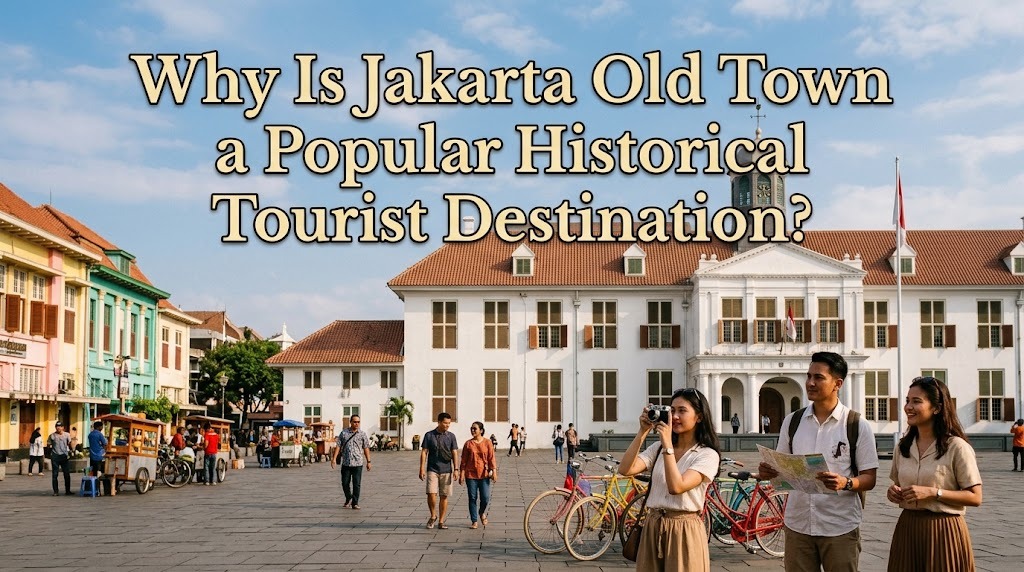
Jakarta Old Town, also known as Kota Tua Jakarta, is one of Indonesia's most recognized historical tourist destinations. Located in the northern part of Jakarta, this area preserves numerous buildings and public spaces that reflect the city's development during the Dutch colonial period. Its historic architecture, museums, and cultural attractions make it an appealing destination for visitors interested in learning about Indonesia's past.
Beyond its architectural appeal, Jakarta Old Town offers a glimpse into the history of trade, urban planning, and cultural interaction that shaped the city. Visitors can explore historical landmarks, learn about important events, and experience how old buildings continue to serve modern cultural and educational purposes. These features contribute to its popularity among local and international tourists.
THE RICH HISTORY OF JAKARTA OLD TOWN
The history of Jakarta Old Town is closely connected to the development of the port city of Sunda Kelapa and the establishment of Batavia by the Dutch East India Company in the early seventeenth century. Batavia became an important center for colonial administration and international trade. Its strategic location near the coast helped connect commercial activities across the Indonesian archipelago and other parts of Asia.
Over time, the area developed into a major urban center with administrative buildings, warehouses, churches, and public spaces. These structures reflected the economic and political priorities of the colonial government. Although the city has changed considerably since that period, parts of its historical landscape remain visible today, helping visitors understand the origins of modern Jakarta.
THE UNIQUE COLONIAL ARCHITECTURE
One of the main attractions of Kota Tua Jakarta is its collection of historic buildings. Many structures feature European architectural influences, including symmetrical facades, large windows, decorative details, and spacious interiors. These characteristics provide examples of how architectural styles were introduced and adapted during the colonial period.
The buildings also reveal how urban design supported government administration and commercial activity. Their arrangement around public squares and former administrative areas reflects the planning priorities of the time. Exploring this architecture allows visitors to observe the relationship between historical function, building design, and the development of the city.
MUSEUMS AND HISTORICAL LANDMARKS
Jakarta Old Town contains several museums and landmarks that help explain the region's history. The Jakarta History Museum, located in the former City Hall of Batavia, presents information about the development of the city through collections, historical objects, and educational displays. Other museums in the area explore subjects such as fine arts, ceramics, and maritime history.
Fatahillah Square is another important feature of the district. The open public space provides a central point for visitors to appreciate the surrounding historic buildings and participate in cultural activities. Together, these attractions make the area suitable for educational visits, family outings, and historical exploration.
CULTURAL ACTIVITIES AND TOURISM EXPERIENCES
Jakarta Old Town is popular because it offers more than sightseeing. Visitors can explore the district on foot, take photographs of historic architecture, visit museums, and discover local food and creative activities. Public spaces around Fatahillah Square often provide opportunities to observe community activities and experience the area's lively atmosphere.
The district also brings together historical heritage and contemporary urban culture. Cafes, creative businesses, and cultural events operate alongside preserved buildings, creating a setting where the past and present can be experienced together. When these activities are managed responsibly, they can support local businesses while encouraging greater public appreciation of Indonesia's cultural heritage.
THE IMPORTANCE OF HISTORIC PRESERVATION
The popularity of Jakarta Old Town highlights the importance of historic building preservation. Old buildings provide evidence of earlier architectural practices, economic activities, and social life. Protecting them helps communities maintain a connection with their history while allowing students, researchers, and visitors to learn from the past.
However, preservation requires ongoing attention. Weather, pollution, heavy visitor traffic, and inadequate maintenance can gradually damage historic structures. Responsible tourism, restoration programs, public education, and cooperation between government agencies and local communities can help protect the district. Balancing tourism with conservation is essential to ensure that Jakarta Old Town remains meaningful for future generations.
CONCLUSION
Jakarta Old Town is a popular historical tourist destination because of its rich colonial history, distinctive architecture, museums, public squares, and cultural activities. The district provides visitors with opportunities to understand how Jakarta developed as a major center of trade and administration while exploring buildings that preserve evidence of earlier periods.
Beyond tourism, Kota Tua Jakarta plays an important role in education and heritage conservation. Maintaining its historic structures and supporting responsible visitor activities can help protect the area's cultural value. Through continued preservation, Jakarta Old Town can remain a place where history, architecture, and modern urban life come together.
Recent Posts

Bagaimana Sistem SKS pada Program Kuliah... 22.11.2026/51 View

How Does Technology Make Daily Evaluation... 21.11.2026/81 View

Apa Strategi Menghadapi Kesenjangan antara Kompetensi... 21.11.2026/81 View

Mengapa Inventaris Aset Penting bagi Kelancaran... 21.11.2026/77 View

When Should Musicians Join a Record... 21.11.2026/82 View
