

Why Is Leadership Handover Essential for Organizational Regeneration?
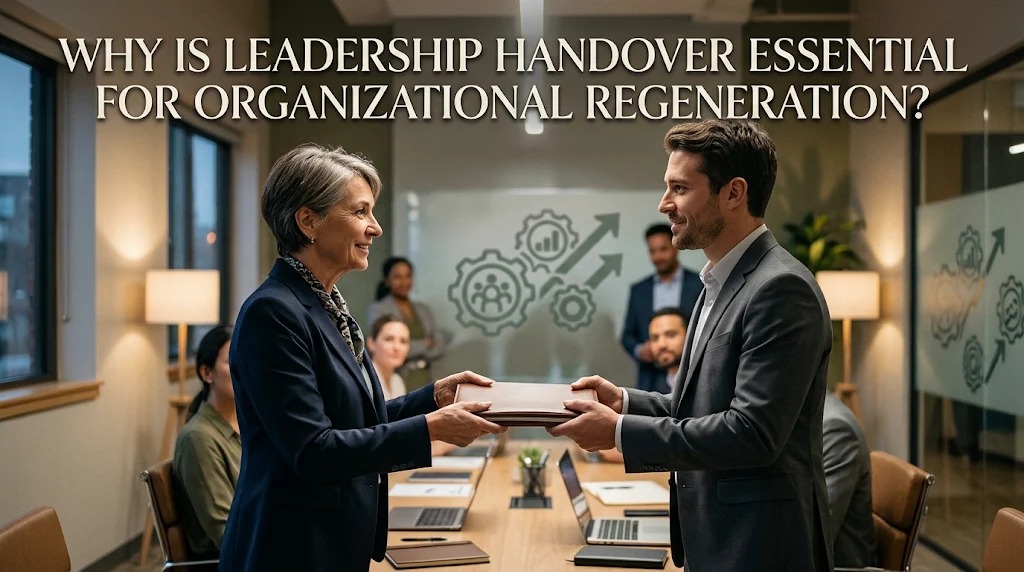
Leadership handover is an important process that allows an organization to transfer authority and responsibilities from one leader to another. This process does more than mark the end of a leadership period. It also creates opportunities for new ideas, different perspectives, and improvements in organizational activities. Through a well-managed transition, an organization can continue developing while maintaining the values and achievements established by previous leaders.
Organizational regeneration refers to the process of renewing leadership, developing new potential, and adapting organizational activities to changing needs. Without a clear leadership handover, organizations may struggle with uncertainty, declining participation, or a lack of direction. Therefore, leadership succession plays an important role in maintaining organizational growth and preparing future generations of leaders.
ENCOURAGING NEW LEADERSHIP GENERATIONS
Leadership handover provides opportunities for new members to take on greater responsibilities. It allows individuals with different experiences, skills, and perspectives to contribute to organizational development.
The presence of new leaders also helps prevent an organization from depending too heavily on the same individuals. By providing opportunities for younger or less experienced members, organizations can develop future leadership potential and maintain a continuous cycle of regeneration.
BRINGING FRESH IDEAS AND PERSPECTIVES
New leaders often introduce different ways of thinking about organizational challenges. Their perspectives may lead to creative programs, improved working methods, or new approaches to member engagement.
Fresh ideas are important because organizational needs can change over time. However, innovation should be balanced with an understanding of existing organizational values and responsibilities. This allows new leaders to introduce improvements without losing the organization's identity.
MAINTAINING ORGANIZATIONAL CONTINUITY
Regeneration does not mean abandoning everything established by previous leaders. A proper handover helps ensure that important programs, responsibilities, and organizational knowledge remain available to the incoming leadership.
Through reports, discussions, and documentation, successors can understand previous achievements and unfinished activities. This information allows them to continue valuable initiatives while evaluating which areas require improvement.
DEVELOPING FUTURE LEADERSHIP SKILLS
The handover process can become a learning opportunity for members who are preparing to lead. By observing previous leaders and participating in organizational activities, potential successors can develop important skills before receiving full responsibilities.
These skills include communication, teamwork, problem-solving, decision-making, and responsibility management. Over time, practical experience helps prepare members to handle more complex leadership challenges.
PREVENTING LEADERSHIP DEPENDENCY
An organization that relies on only one or two experienced individuals may face difficulties when those people leave their positions. Important information and decision-making processes can become concentrated in a small group.
Leadership handover helps reduce this dependency by distributing knowledge and preparing successors. A broader leadership structure makes organizational activities less vulnerable to individual departures and supports long-term stability.
ADAPTING TO ORGANIZATIONAL CHANGES
Organizations operate in environments that can change because of technology, member expectations, available resources, and external conditions. Leadership regeneration allows new leaders to review existing strategies and determine whether they remain suitable.
New leadership may identify opportunities that were previously overlooked or introduce adjustments to improve organizational performance. This ability to adapt helps organizations remain relevant and responsive to changing circumstances.
STRENGTHENING MEMBER PARTICIPATION
Leadership regeneration can encourage more members to become involved in organizational activities. When members see opportunities to develop their abilities and take on meaningful responsibilities, they may become more motivated to participate.
New leaders can also introduce different approaches to communication and collaboration. These efforts may help create an environment where members feel valued and have opportunities to contribute ideas.
PRESERVING ORGANIZATIONAL VALUES
Although leadership styles may change, an organization still needs a clear identity and shared principles. Leadership handover provides an opportunity to communicate important values to the next generation.
Former leaders can explain the organization's history, traditions, objectives, and expectations. New leaders can then preserve these foundations while adjusting programs to meet current needs. This balance helps maintain a consistent organizational identity during periods of change.
IMPROVING PROGRAM EVALUATION
A leadership transition creates an opportunity to review the effectiveness of previous activities. New leaders can examine completed programs, identify limitations, and determine which initiatives deserve further development.
This evaluation helps prevent organizations from repeating ineffective activities simply because they have become traditions. By using previous experiences as a reference, successors can make more informed decisions and establish clearer priorities.
BUILDING LONG-TERM ORGANIZATIONAL SUSTAINABILITY
Organizational sustainability depends on the ability to maintain activities, develop capable members, and respond to future challenges. Leadership handover supports these objectives by ensuring that responsibility can be transferred in an organized manner.
A structured transition also encourages knowledge sharing and leadership development across different generations. As a result, the organization can continue operating and pursuing its goals even when individual leaders change.
CONCLUSION
Leadership handover is essential for organizational regeneration because it creates opportunities for new leaders, fresh ideas, and continuous improvement. It also helps preserve organizational knowledge, develop leadership skills, prevent dependency, and maintain important values.
Successful regeneration requires cooperation between outgoing and incoming leaders, active member participation, and clear documentation. When leadership responsibilities are transferred properly, organizations can maintain continuity while preparing themselves for future growth.
Recent Posts

Bagaimana Sistem SKS pada Program Kuliah... 22.11.2026/30 View

How Does Technology Make Daily Evaluation... 21.11.2026/66 View

Apa Strategi Menghadapi Kesenjangan antara Kompetensi... 21.11.2026/65 View

Mengapa Inventaris Aset Penting bagi Kelancaran... 21.11.2026/64 View

When Should Musicians Join a Record... 21.11.2026/64 View
