

Why Is Lecturer Training Essential for Facing Modern Education Challenges
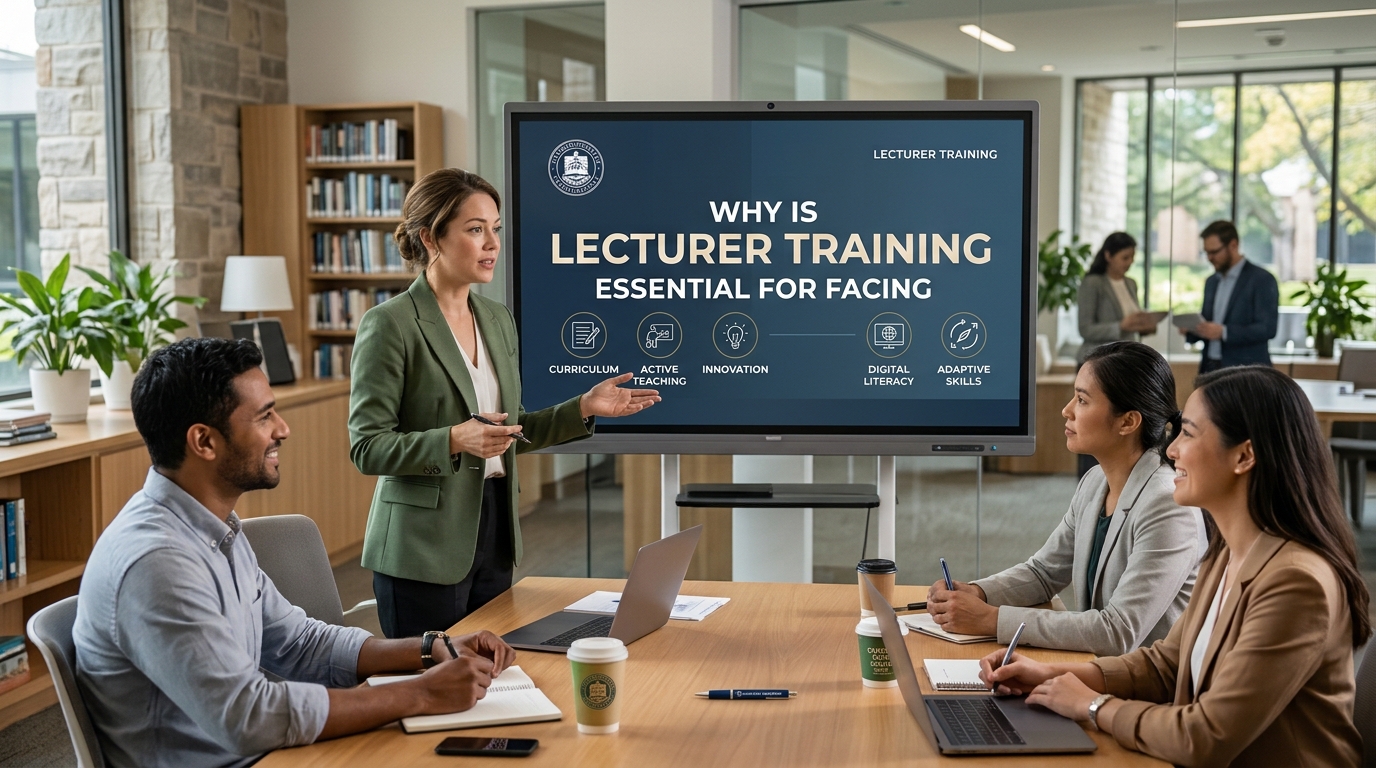
Modern education continues to change because of technological developments, new learning methods, and the growing needs of students. Lecturers are expected to deliver high-quality lessons, develop students’ critical thinking skills, and prepare graduates for a competitive world. These responsibilities require more than subject knowledge. Lecturer training helps educators improve their teaching abilities, adapt to new educational trends, and overcome challenges in higher education. By investing in professional development, universities can create a learning environment that supports students’ academic and personal growth.
UNDERSTANDING LECTURER TRAINING IN MODERN EDUCATION
Lecturer training is a professional development process that helps university educators improve their knowledge, teaching methods, and academic skills. It can include workshops, seminars, online courses, mentoring, and practical teaching activities. These programs help lecturers understand current educational practices and apply them effectively in the classroom. Training also encourages lecturers to evaluate their teaching methods and identify areas that need improvement. As a result, lecturers can provide learning experiences that are more relevant to students’ needs.
In modern education, lecturers must be prepared to teach students with different learning styles, backgrounds, and abilities. They also need to understand how technology influences communication and knowledge sharing. Continuous professional development enables lecturers to update their skills and remain effective as educational expectations change. Through appropriate training, they can become more confident in managing classrooms and supporting student progress. This makes lecturer training an important part of improving higher education quality.
WHY MODERN EDUCATION REQUIRES TRAINED LECTURERS
Modern education presents challenges that require lecturers to develop new competencies. Students increasingly expect interactive learning, practical activities, and access to digital learning resources. Traditional teaching methods may not always meet these expectations, especially when students need opportunities to collaborate and solve problems. Trained lecturers can combine lectures, discussions, projects, and digital resources to create more engaging learning experiences. These approaches encourage students to participate actively and understand course material more deeply.
Lecturers must also prepare students for workplaces that require communication, creativity, adaptability, and critical thinking. This means education should go beyond memorizing information. Training helps lecturers design learning activities that connect academic concepts with real-world situations. They can also improve their ability to provide constructive feedback and assess different aspects of student performance. Effective teaching strategies help bridge the gap between classroom learning and the skills students need in their future careers.
ADAPTING TO TECHNOLOGY AND DIGITAL LEARNING
Technology has become an important part of higher education. Online learning platforms, video conferencing tools, digital libraries, and electronic assessment systems provide new ways to deliver educational content. However, using these tools effectively requires appropriate knowledge and preparation. Digital training helps lecturers understand how to select suitable technologies, organize online classes, and create accessible learning materials. It also helps them combine face-to-face instruction with digital activities when a blended learning approach is appropriate.
Technology alone does not guarantee better learning outcomes. Lecturers must ensure that digital tools support clear learning objectives and do not create unnecessary barriers for students. They should consider internet access, digital literacy, accessibility, and data privacy when planning online learning activities. Training can help lecturers recognize these issues and develop practical solutions. With the right preparation, digital learning can make education more flexible, interactive, and inclusive.
DEVELOPING TEACHING SKILLS AND STUDENT ENGAGEMENT
One major purpose of lecturer training is to strengthen teaching competence. Lecturers need to explain complex concepts clearly, organize classroom discussions, and encourage students to ask questions. Training can introduce methods such as problem-based learning, project-based learning, group discussions, and case studies. These methods allow students to participate actively instead of simply listening to explanations. Improved teaching skills can make lessons easier to understand and more meaningful.
Student engagement also depends on how lecturers respond to different learning needs. Some students may need additional explanations, while others benefit from challenging assignments or practical projects. Through training, lecturers can learn to recognize these differences and provide appropriate support. They can also improve assessment techniques so students receive clear feedback on their progress. Student-centered learning helps create a supportive classroom where students are encouraged to develop independence and confidence.
RESPONDING TO CHANGING INDUSTRY AND CAREER NEEDS
Higher education institutions must prepare students for professional environments that continue to evolve. Employers may seek graduates who possess technical knowledge as well as teamwork, communication, problem-solving, and adaptability skills. Lecturers therefore need to understand how academic learning relates to current workplace expectations. Professional training can help educators update course materials, develop practical assignments, and connect theoretical concepts with industry examples. This makes learning more relevant to students’ future careers.
Universities can also encourage lecturers to collaborate with industry professionals and participate in professional development activities related to their fields. These connections can provide insights into new technologies, workplace standards, and emerging career opportunities. Lecturers can use this knowledge to improve classroom discussions and student projects. However, academic learning should still maintain strong theoretical foundations and encourage independent thinking. By connecting education with real-world developments, lecturers can help students become more prepared for employment and lifelong learning.
OVERCOMING CHALLENGES IN LECTURER TRAINING
Although lecturer training offers many benefits, implementing effective programs can be difficult. Limited budgets, heavy workloads, inadequate facilities, and restricted access to suitable courses may prevent lecturers from participating regularly. Some educators may also struggle to apply unfamiliar teaching methods in their existing classroom environments. These challenges can reduce the impact of professional development if universities do not provide sufficient support. Effective training programs must therefore consider lecturers’ actual needs, available resources, and working conditions.
Universities can address these difficulties by offering flexible schedules, online courses, mentoring, and collaborative learning opportunities. Training should focus on practical skills that lecturers can apply directly to their teaching responsibilities. Institutions should also provide access to appropriate technology and encourage lecturers to share successful practices with colleagues. Regular evaluations can help determine whether training improves teaching quality and student engagement. Long-term institutional support is essential for making professional development a sustainable part of university culture.
THE ROLE OF UNIVERSITIES IN SUPPORTING LECTURER DEVELOPMENT
Universities play a central role in ensuring that lecturer training meets educational goals. Institutions should identify professional development needs through teaching evaluations, student feedback, academic reviews, and discussions with lecturers. This information can guide the creation of training programs that address specific weaknesses and emerging challenges. Universities should also establish clear objectives so participants understand what they are expected to learn. Needs-based training makes professional development more focused and useful.
In addition, universities should evaluate the results of training rather than measuring success only by attendance. They can review changes in teaching practices, student participation, assessment quality, and learning outcomes. Follow-up activities can help lecturers apply new knowledge and continue improving their skills. Recognizing lecturers who actively develop their professional abilities can also encourage participation. By providing resources, guidance, and opportunities for collaboration, universities can build a strong culture of continuous improvement.
CONCLUSION
Lecturer training is essential for facing modern education challenges because it helps educators adapt to technological changes, improve teaching methods, and respond to students’ evolving needs. It also supports the development of practical learning experiences that prepare students for professional and academic challenges. However, successful training requires relevant programs, accessible resources, and ongoing evaluation. Universities must work together with lecturers to ensure that professional development produces meaningful improvements. By prioritizing lecturer training, higher education institutions can strengthen teaching quality, support student success, and remain responsive to the demands of modern education.
Recent Posts

Bagaimana Sistem SKS pada Program Kuliah... 22.11.2026/46 View

How Does Technology Make Daily Evaluation... 21.11.2026/73 View

Apa Strategi Menghadapi Kesenjangan antara Kompetensi... 21.11.2026/75 View

Mengapa Inventaris Aset Penting bagi Kelancaran... 21.11.2026/71 View

When Should Musicians Join a Record... 21.11.2026/75 View
