

Why Is Marketing Important for Growing an Event Business?
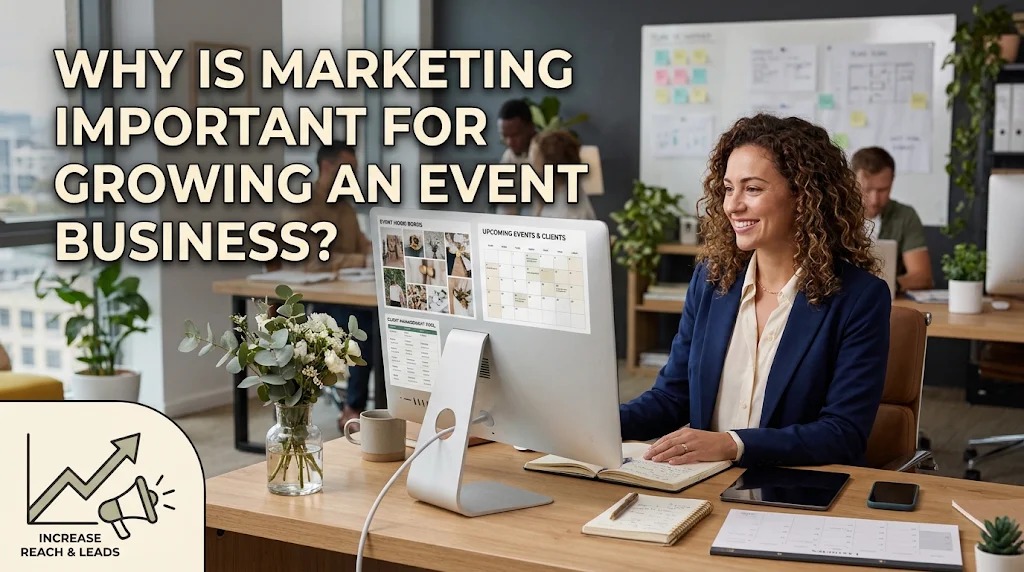
Marketing plays an important role in helping an event business attract customers, build brand awareness, and increase revenue. Even if a company provides excellent event planning services, potential clients may not choose it if they do not know that the business exists. Through effective marketing, event organizers can introduce their services, communicate their advantages, and reach people who need professional event management. Marketing also helps businesses establish relationships with clients and develop a positive reputation in the industry. Therefore, having a clear marketing strategy is essential for building a competitive and sustainable event business.
BUILDING BRAND AWARENESS AND BUSINESS RECOGNITION
One of the main purposes of marketing is to introduce an event business to potential customers. Brand awareness helps people recognize a company's name, services, visual identity, and professional reputation. When customers frequently encounter a business through advertisements, social media, websites, or promotional events, they become more familiar with its brand. This recognition can make the company easier to remember when they need event planning services. A consistent brand identity also helps an event business appear more professional and trustworthy.
Developing a recognizable brand requires more than choosing an attractive logo or business name. Event organizers should communicate their service quality, values, experience, and areas of specialization through their marketing materials. For example, a company specializing in corporate events can highlight its experience organizing conferences, seminars, and product launches. Meanwhile, a business focusing on private celebrations can showcase its creativity in managing birthdays and other special occasions. Consistent messaging helps potential clients understand what makes the business different from its competitors.
REACHING THE RIGHT TARGET MARKET
Marketing helps event businesses identify and reach customers who are most likely to need their services. Different types of events attract different customer groups, so promotional activities should match the company's target market. Corporate clients may look for professional organizers who can manage conferences, exhibitions, or business gatherings. Individuals may need assistance with birthdays, graduation celebrations, or family occasions. Understanding these differences allows businesses to create more relevant marketing messages.
An effective target market strategy begins with researching customer characteristics, preferences, budgets, and event requirements. Businesses can use this information to select suitable promotional channels and develop services that match customer expectations. For example, professional networking platforms may be useful for reaching business clients, while visual social media platforms can help promote creative event concepts. Targeted marketing also reduces unnecessary promotional spending because businesses can focus on audiences with a genuine interest in their services. As a result, marketing efforts can become more efficient and productive.
ATTRACTING NEW CLIENTS AND INCREASING SALES
Marketing is essential for generating inquiries and attracting new clients. Through advertisements, social media content, search engine optimization, and promotional campaigns, event businesses can introduce their services to people who have never used them before. A well-designed website can also provide information about service packages, previous projects, contact details, and customer testimonials. These resources make it easier for potential clients to evaluate a company before requesting a consultation. The more effectively a business communicates its value, the greater its opportunity to turn interest into actual bookings.
Marketing can also encourage customers to choose additional services or larger packages. For example, a client initially interested in basic event coordination may consider a complete package that includes decoration, catering, entertainment, and documentation. Businesses can introduce these options through informative content and personalized recommendations. However, promotional messages should remain clear and realistic rather than making promises that cannot be fulfilled. Effective marketing focuses on helping customers understand the benefits of a service and making informed purchasing decisions.
BUILDING CUSTOMER TRUST AND LONG-TERM RELATIONSHIPS
Trust is an important factor when clients choose an event organizer because they are relying on the company to manage important occasions. Marketing helps establish this trust by showing evidence of professional experience and service quality. Businesses can share portfolios, project photographs, client testimonials, and case studies to demonstrate their capabilities. Providing useful information about event preparation can also show that the company understands the challenges customers face. These activities help potential clients feel more confident about contacting the business.
Marketing should not stop after a client books an event. Maintaining communication before, during, and after the project can help create positive customer experiences. Businesses can request feedback, share event documentation, and provide information about future services when appropriate. Satisfied clients may recommend the company to friends, colleagues, or business partners. Customer referrals and repeat bookings can become valuable sources of new opportunities because positive recommendations often strengthen a company's reputation.
STAYING COMPETITIVE AND MEASURING BUSINESS GROWTH
The event industry can be competitive because many businesses offer similar planning and coordination services. Marketing helps companies communicate their unique strengths and explain why clients should consider choosing them. These strengths may include creative concepts, reliable vendor networks, experienced teams, flexible packages, or specialized event services. A clear competitive advantage makes it easier for a business to distinguish itself in the market. Without consistent promotion, even a capable event organizer may struggle to attract attention.
Marketing also provides useful information for evaluating business performance. Event organizers can monitor website visits, social media engagement, advertising expenses, customer inquiries, and the number of bookings generated by promotional campaigns. These indicators help businesses understand which marketing activities produce the best results. If a campaign attracts many visitors but generates few inquiries, the company may need to improve its message or service presentation. Regular evaluation allows event businesses to adjust their strategies, manage promotional budgets, and make better decisions for long-term growth.
CONCLUSION
Marketing is important for growing an event business because it builds brand awareness, reaches target customers, attracts new clients, and strengthens customer relationships. It also helps companies communicate their competitive advantages and evaluate the effectiveness of their promotional activities. A consistent marketing strategy can improve business visibility and create more opportunities for revenue growth. By combining effective promotion with reliable service quality, event organizers can develop a strong reputation and achieve sustainable success in the event management industry.
Recent Posts

Bagaimana Sistem SKS pada Program Kuliah... 22.11.2026/34 View

How Does Technology Make Daily Evaluation... 21.11.2026/68 View

Apa Strategi Menghadapi Kesenjangan antara Kompetensi... 21.11.2026/68 View

Mengapa Inventaris Aset Penting bagi Kelancaran... 21.11.2026/66 View

When Should Musicians Join a Record... 21.11.2026/67 View
