

Why Is Mental Resilience Important During Science Olympiad Competitions?
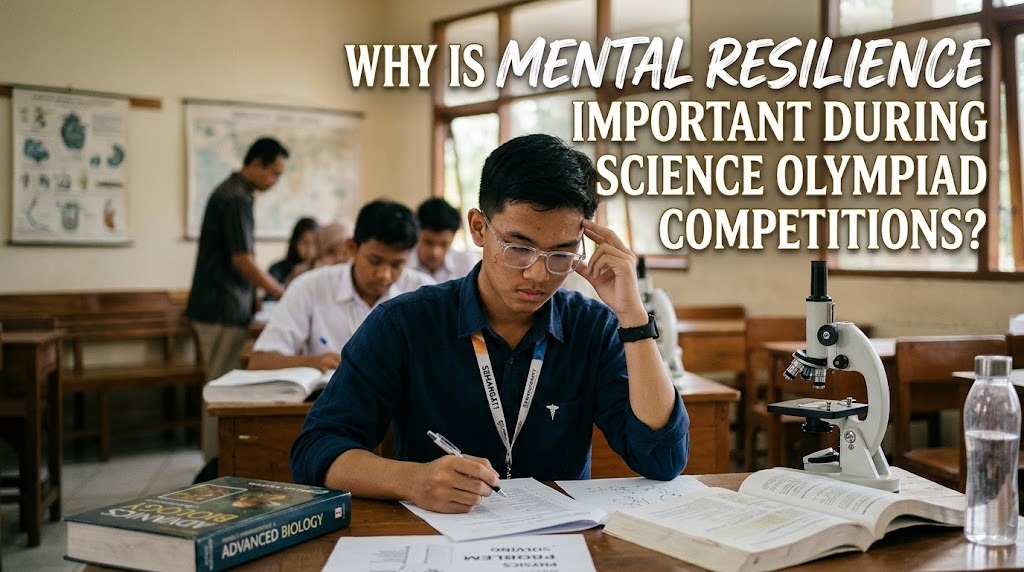
Science Olympiad competitions challenge students to demonstrate their scientific knowledge, analytical abilities, and problem-solving skills under pressure. Participants often face difficult questions, limited time, and unexpected challenges that require concentration and careful reasoning. In these situations, academic knowledge alone may not be enough to achieve strong performance. Students also need mental resilience to manage pressure and remain focused throughout the competition.
Mental resilience refers to the ability to handle difficulties, recover from setbacks, and maintain a positive approach when facing challenging situations. During Science Olympiads, this quality helps students control their emotions, learn from mistakes, and continue working toward their goals. Developing mental resilience can also support their personal growth and prepare them for future academic challenges.
HELPING STUDENTS MANAGE COMPETITION PRESSURE
Competition environments can create pressure because students want to achieve good results and demonstrate their abilities. The presence of other talented participants, strict examination rules, and limited time may increase nervousness. Without proper emotional control, students may struggle to concentrate even when they understand the material.
Mental resilience helps participants recognize and manage these feelings. They can use simple strategies such as taking controlled breaths, reading questions carefully, and focusing on one task at a time. By managing pressure effectively, students can make more thoughtful decisions and maintain their performance during the competition.
MAINTAINING FOCUS DURING DIFFICULT QUESTIONS
Science Olympiad questions often require several steps of analysis before reaching a conclusion. Some problems may involve unfamiliar concepts or complicated calculations that demand sustained concentration. Students who become frustrated easily may lose valuable time or make unnecessary mistakes.
With mental resilience, participants can remain calm when encountering difficult questions. Instead of immediately giving up, they can break a problem into smaller parts and examine the available information. This approach helps them maintain focus and use their knowledge more effectively.
BUILDING CONFIDENCE IN PERSONAL ABILITIES
Confidence plays an important role in academic competitions. Students who doubt their abilities may hesitate when answering questions or become overly worried about making mistakes. These feelings can interfere with their ability to think clearly.
Mental resilience encourages students to trust their preparation while remaining realistic about their limitations. They learn to recognize their strengths, evaluate their progress, and approach challenges with greater confidence. This mindset allows them to participate more actively without being controlled by fear of failure.
ENCOURAGING STUDENTS TO LEARN FROM MISTAKES
Mistakes are a natural part of learning and competition. A participant may misunderstand a question, choose an incorrect formula, or make an error during a calculation. Such experiences can become discouraging if students view mistakes as proof that they are incapable.
Mentally resilient students treat mistakes as opportunities for improvement. They can review what went wrong, identify weaknesses in their understanding, and adjust their preparation strategies. This attitude helps them develop stronger scientific reasoning and become better prepared for future competitions.
DEVELOPING PERSISTENCE WHEN FACING CHALLENGES
Preparing for Science Olympiads requires consistent effort, especially when students study advanced scientific concepts. Some topics may take considerable time to understand, while practice questions may remain difficult even after repeated attempts. Without persistence, students may lose motivation before reaching their learning goals.
Mental resilience supports persistence by helping students continue working despite temporary setbacks. They learn that progress does not always happen immediately and that consistent practice can gradually improve their abilities. This determination is valuable both during preparation and throughout the competition.
IMPROVING DECISION-MAKING UNDER TIME LIMITS
Time management is an important part of Science Olympiad competitions. Participants must decide which questions to answer first, how much time to spend on each problem, and when to move forward. Poor decisions can prevent them from completing questions they could otherwise solve.
Mental resilience helps students avoid panic when time becomes limited. They can assess the difficulty of each question, prioritize manageable tasks, and allocate their remaining time carefully. Staying calm makes it easier to evaluate options and avoid decisions driven by unnecessary anxiety.
SUPPORTING HEALTHY COMPETITIVE ATTITUDES
Science Olympiads bring together students with different levels of knowledge and preparation. Comparing personal performance with other participants can sometimes create excessive pressure or disappointment. Students may become too focused on winning rather than understanding the learning process.
Mental resilience encourages a healthier approach to competition. Participants can respect other students' achievements while concentrating on their own development. They learn that competition is not only about receiving awards but also about gaining experience, discovering weaknesses, and improving scientific abilities.
STRENGTHENING EMOTIONAL CONTROL
Emotional reactions can influence how students respond to challenging situations. Frustration, nervousness, disappointment, and excitement may affect concentration if they are not managed appropriately. Maintaining emotional balance is therefore important during demanding academic activities.
Through mental resilience, students can become more aware of their emotions and learn how to respond constructively. They may practice mindfulness, take short breaks during preparation, or discuss their concerns with teachers and mentors. These habits can help them maintain a stable mindset when facing difficult competition situations.
PREPARING STUDENTS FOR FUTURE ACADEMIC CHALLENGES
The benefits of mental resilience extend beyond Science Olympiads. Students who develop this quality may become better prepared to handle examinations, research projects, academic presentations, and other demanding learning experiences.
They also learn important life skills such as adaptability, patience, self-discipline, and responsibility. These qualities can support their development in higher education and future careers, especially in fields that require continuous learning and problem-solving.
CONCLUSION
Mental resilience is important during Science Olympiad competitions because it helps students manage pressure, maintain concentration, build confidence, and recover from mistakes. It also supports persistence, emotional control, and effective decision-making when participants face difficult questions and limited time.
By developing mental resilience, students can approach competitions with a healthier mindset and make better use of their scientific knowledge. More importantly, they gain valuable skills that support long-term academic development and prepare them to face future challenges with greater confidence.
Recent Posts

Bagaimana Sistem SKS pada Program Kuliah... 22.11.2026/48 View

How Does Technology Make Daily Evaluation... 21.11.2026/76 View

Apa Strategi Menghadapi Kesenjangan antara Kompetensi... 21.11.2026/78 View

Mengapa Inventaris Aset Penting bagi Kelancaran... 21.11.2026/73 View

When Should Musicians Join a Record... 21.11.2026/78 View
