

Why Is Moral Education Important in Preventing Risky Behavior?
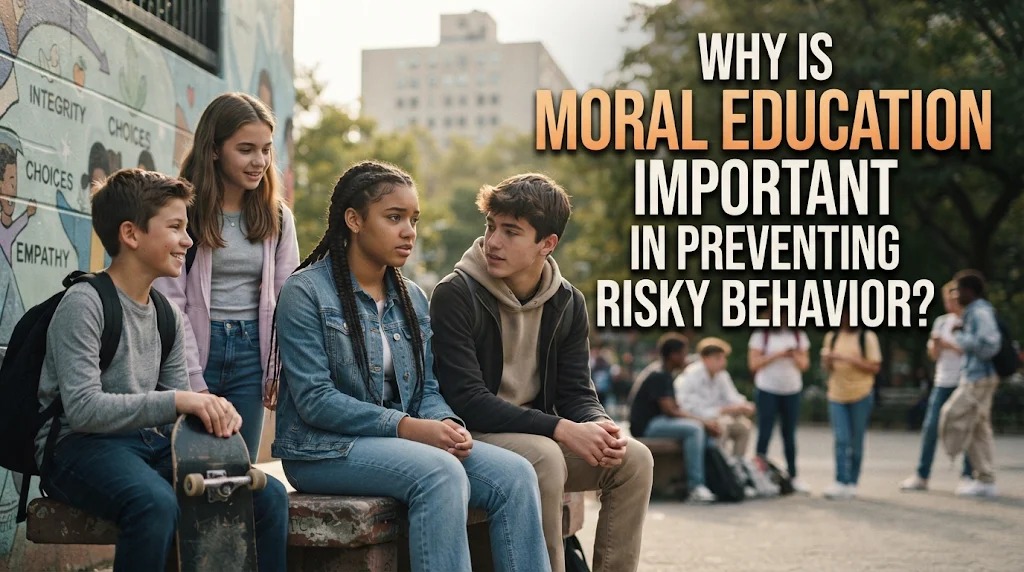
Moral education plays an important role in helping individuals understand the difference between responsible and harmful behavior. During adolescence, young people often face challenges such as peer pressure, social media influence, and curiosity about new experiences. Without proper guidance, these situations may lead to risky decisions that negatively affect their future. Moral education provides important values such as responsibility, honesty, self-discipline, and respect. By developing these values, teenagers can make wiser choices and avoid behaviors that may harm themselves or others.
DEVELOPING SELF-CONTROL
Moral education teaches individuals to control their emotions, actions, and desires when facing difficult situations. Self-control helps teenagers avoid making impulsive decisions that could create negative consequences.
For example, students who develop self-discipline are more likely to think carefully before following harmful trends or engaging in dangerous activities. This ability allows them to make decisions based on personal values rather than temporary emotions.
ENCOURAGING RESPONSIBLE DECISIONS
Understanding moral values helps teenagers recognize that every action has consequences. They learn to consider how their decisions may affect their health, education, relationships, and future opportunities.
Responsible decision-making also encourages young people to evaluate situations before taking action. As a result, they become more careful when facing unfamiliar experiences or potentially harmful choices.
REDUCING NEGATIVE PEER PRESSURE
Peer pressure can influence teenagers to participate in activities they may not consider appropriate. Some young people follow their friends because they want to feel accepted or avoid being excluded.
Moral education helps teenagers develop confidence and strong personal principles. With these values, they can refuse harmful invitations and choose friendships that support positive behavior.
BUILDING AWARENESS OF CONSEQUENCES
Teenagers need to understand the possible effects of risky behavior before making important decisions. Moral education encourages them to recognize how harmful actions can affect their physical health, emotional well-being, and social relationships.
Through discussions and real-life examples, students can learn to identify dangerous situations. This awareness helps them become more cautious and avoid decisions that may create long-term problems.
STRENGTHENING POSITIVE CHARACTER
Values such as honesty, responsibility, empathy, and discipline help teenagers develop strong personal character. These qualities influence how they respond to challenges and interact with people around them.
Individuals with positive character are more likely to consider ethical principles before acting. Strong moral foundations also help them maintain healthy relationships and become responsible members of society.
PROMOTING HEALTHY SOCIAL RELATIONSHIPS
Moral education teaches teenagers to respect others, communicate politely, and understand different perspectives. These skills help prevent conflicts, bullying, and other harmful social behaviors.
Positive relationships also provide emotional support when teenagers face difficult situations. Having supportive friends, family members, and teachers can reduce the likelihood of making risky decisions.
IMPROVING DIGITAL RESPONSIBILITY
Modern teenagers spend considerable time using social media and other digital platforms. Without proper guidance, they may encounter cyberbullying, misinformation, inappropriate content, and online exploitation.
Moral education encourages responsible digital behavior by teaching students to respect privacy, verify information, and communicate appropriately. These habits help protect teenagers from online risks and negative digital influences.
CONCLUSION
Moral education is important in preventing risky behavior because it develops self-control, responsibility, awareness, and positive character. It also helps teenagers resist negative peer pressure, build healthy relationships, and use technology responsibly. Through consistent moral guidance from parents, teachers, and communities, young people can make better decisions and avoid behaviors that may negatively affect their future.
Recent Posts

How Does Technology Make Daily Evaluation... 21.11.2026/57 View

Apa Strategi Menghadapi Kesenjangan antara Kompetensi... 21.11.2026/59 View

Mengapa Inventaris Aset Penting bagi Kelancaran... 21.11.2026/55 View

When Should Musicians Join a Record... 21.11.2026/54 View

Daily Evaluation or Daily Planning Which... 21.11.2026/61 View
