

Why Is Operating Cost Control Important in Financial Management?
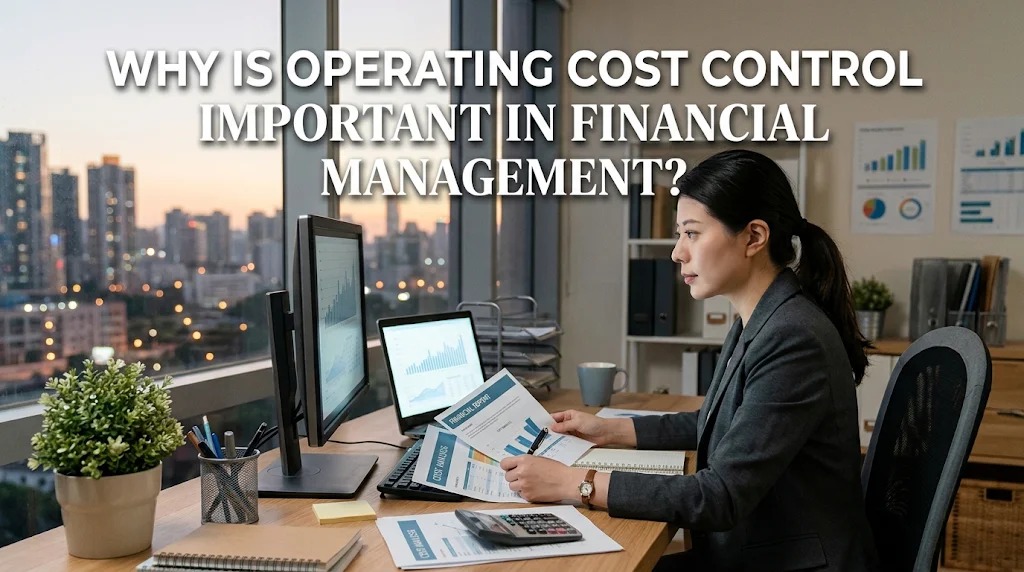
Operating cost control is an important part of financial management because it helps businesses monitor expenses and use financial resources more effectively. Every company needs money to support daily activities, including paying employee salaries, purchasing materials, maintaining equipment, and covering utility bills. Without proper expense control, these costs can increase and reduce the company's ability to generate profits.
Effective operating cost control allows businesses to maintain financial stability while achieving their operational goals. It also helps management identify unnecessary expenses, prepare realistic budgets, and make better financial decisions. By controlling operating costs consistently, companies can improve profitability, manage cash flow, and support long-term business sustainability.
WHAT IS OPERATING COST CONTROL IN FINANCIAL MANAGEMENT?
Operating cost control refers to the process of monitoring, evaluating, and managing expenses related to a company's daily activities. Its main purpose is to ensure that business spending remains reasonable and aligned with financial plans. These expenses may include employee salaries, office rent, raw materials, transportation, electricity, marketing, and equipment maintenance. Through effective cost control, companies can understand how their financial resources are being used.
In financial management, operating cost control involves more than simply reducing expenses. Management must determine which costs are necessary, which can be optimized, and which provide little value to business activities. For example, reducing unnecessary electricity consumption can lower expenses without affecting product quality. However, cutting employee training or essential equipment maintenance may create bigger problems in the future. Therefore, cost control should focus on efficiency and responsible financial planning.
WHY IS OPERATING COST CONTROL IMPORTANT FOR BUSINESS PROFITABILITY?
Operating cost control directly affects business profitability because expenses influence how much profit remains after operational activities are completed. When a company spends too much money on daily operations, its operating profit may decrease even if sales revenue remains stable. By monitoring expenses and eliminating unnecessary spending, businesses can improve their financial performance. This allows companies to maintain healthier profit margins without depending entirely on increasing sales.
Cost control also helps businesses identify opportunities to improve their operational efficiency. For example, a manufacturing company may reduce material waste by improving production procedures and monitoring inventory more carefully. These improvements can lower production-related expenses while maintaining product standards. As a result, the company can use its available resources more effectively and generate better financial results over time.
HOW DOES COST CONTROL HELP MAINTAIN CASH FLOW?
Cash flow represents the movement of money into and out of a business. Companies need sufficient cash to pay suppliers, employees, utility bills, rent, and other operational expenses on time. If operating costs become too high, businesses may experience difficulties maintaining enough cash for their daily requirements. This situation can create payment delays and disrupt normal business activities.
Effective operating cost control helps management estimate future expenses and prepare appropriate budgets. By understanding their regular financial obligations, businesses can allocate money more carefully and avoid unnecessary spending. Companies can also monitor payment schedules, manage inventory purchases, and prepare emergency funds for unexpected expenses. These practices help maintain healthy cash flow and reduce the risk of financial difficulties.
HOW DOES OPERATING COST CONTROL SUPPORT BETTER FINANCIAL DECISIONS?
Accurate operating cost information provides management with a clearer understanding of the company's financial condition. When expenses are recorded and evaluated regularly, business owners can identify which activities require more funding and which areas can operate more efficiently. This information becomes an important foundation for financial planning, budgeting, and investment decisions. Without reliable expense records, management may make decisions based on incomplete financial information.
Cost control also helps businesses evaluate the financial impact of future plans. For example, before opening a new branch, management can estimate additional expenses such as rent, employee salaries, equipment, and transportation. These calculations help determine whether the expansion is financially reasonable. By considering both current expenses and future financial obligations, companies can reduce unnecessary risks and make more informed decisions.
WHAT STRATEGIES CAN BUSINESSES USE TO CONTROL OPERATING COSTS?
Businesses can control operating costs by preparing detailed budgets and comparing actual expenses with planned spending. Regular financial reviews help management identify unexpected increases and investigate their causes. Companies should also classify expenses into fixed and variable costs to understand which expenses remain stable and which change according to business activity. This classification makes financial planning more accurate and practical.
Another useful strategy is improving operational efficiency through technology and better resource management. Digital accounting systems, inventory software, and automated administrative processes can help reduce repetitive work and minimize human errors. Businesses can also negotiate with suppliers, improve energy efficiency, and maintain equipment regularly to prevent unnecessary expenses. However, every cost reduction decision should consider its impact on employees, product quality, and customer satisfaction.
CONCLUSION
Operating cost control is important in financial management because it helps businesses maintain profitability, manage cash flow, and use financial resources efficiently. Regular expense monitoring also supports better budgeting, reduces unnecessary spending, and improves management decisions. Companies should focus on optimizing operational activities rather than cutting essential expenses that protect product quality and business performance. With consistent cost control, businesses can strengthen financial stability, reduce operational risks, and achieve sustainable growth.
Recent Posts

Bagaimana Sistem SKS pada Program Kuliah... 22.11.2026/34 View

How Does Technology Make Daily Evaluation... 21.11.2026/68 View

Apa Strategi Menghadapi Kesenjangan antara Kompetensi... 21.11.2026/68 View

Mengapa Inventaris Aset Penting bagi Kelancaran... 21.11.2026/66 View

When Should Musicians Join a Record... 21.11.2026/67 View
