

Why Is Personal Data Security Important When Using Digital Education Platforms?
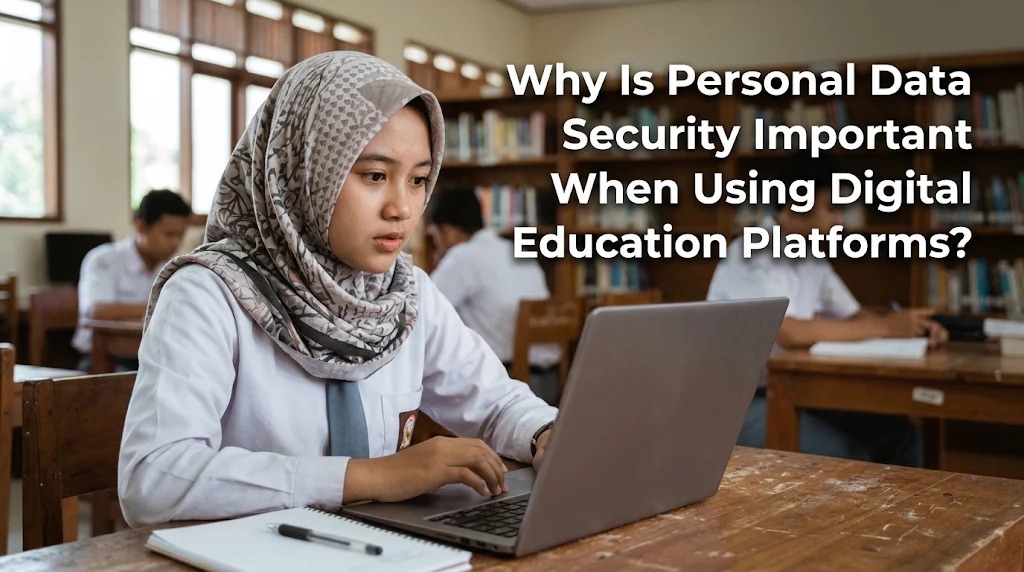
Digital education platforms have become an essential part of modern learning. Students and teachers use online applications, virtual classrooms, digital libraries, and learning management systems to access educational materials and complete academic activities. These platforms make education more flexible and accessible because users can communicate, exchange information, and manage learning activities through internet-connected devices. However, the increasing use of digital technology also creates concerns about the security of personal information.
Personal data security is important because educational platforms often collect sensitive information from students, teachers, and schools. This information may include names, addresses, email accounts, academic records, attendance details, and other personal information. If these details are not properly protected, they may be exposed, stolen, or misused by unauthorized parties. Therefore, schools and technology providers must implement appropriate security measures to create a safe digital learning environment.
PROTECTING STUDENTS' AND TEACHERS' PERSONAL INFORMATION
Digital education platforms often require users to provide personal information when creating accounts or accessing educational services. Students may need to enter their full names, dates of birth, email addresses, and school information. Teachers may also provide professional details, contact information, and academic records when using digital learning systems. This information is necessary for managing educational activities, but it must be handled carefully.
If personal information is accessed by unauthorized individuals, users may experience privacy violations and other security problems. For example, stolen email addresses and account details can be used for fraudulent activities or unauthorized access to other online services. Schools should therefore limit the collection of personal information to what is genuinely necessary. Implementing personal data protection policies helps ensure that student and teacher information remains confidential and is only used for legitimate educational purposes.
PREVENTING CYBERATTACKS AND UNAUTHORIZED ACCESS
Digital education platforms can become targets for different types of cyberattacks. Common threats include phishing, malware, password theft, and attempts to access accounts without permission. These attacks may allow criminals to obtain personal information, change account settings, or disrupt educational activities. Students and teachers who are unfamiliar with cybersecurity practices may become more vulnerable to such threats.
Unauthorized access can also occur when users rely on weak passwords or share their account information with other people. Using the same password across multiple platforms may increase security risks if one account becomes compromised. Schools and educational technology providers should introduce stronger authentication systems, regular security updates, and appropriate access controls. Meanwhile, users should create strong passwords and activate additional security verification when available. These measures strengthen cybersecurity protection and reduce the possibility of unauthorized access.
MAINTAINING THE CONFIDENTIALITY OF ACADEMIC RECORDS
Academic records contain important information about students' educational development. These records may include examination results, attendance information, assignments, personal assessments, and academic achievements. Digital platforms make it easier for schools to store and manage these documents, but they also create responsibilities for protecting stored information. Unauthorized access to academic records can cause privacy problems and potentially damage students' reputations.
Confidential academic information should only be accessible to individuals who have appropriate permission. For example, teachers may need access to student performance records to evaluate learning progress, while students may need access to their own academic results. Schools should establish clear policies regarding who can view, edit, and share educational information. Through proper data access management, educational institutions can maintain the accuracy and confidentiality of student records.
BUILDING TRUST IN DIGITAL EDUCATION SYSTEMS
Trust is an important factor in the successful implementation of digital education. Students, parents, and teachers are more likely to use online learning platforms when they believe their personal information is protected. If an educational platform frequently experiences data leaks or security problems, users may become uncomfortable sharing information or participating in online activities. This lack of trust can reduce the effectiveness of digital learning programs.
Educational institutions must demonstrate their commitment to privacy by explaining how personal information is collected, stored, and used. They should also communicate security policies clearly and provide channels for reporting suspicious activities. Technology providers need to maintain reliable systems and respond appropriately when security incidents occur. Strong data privacy practices can improve user confidence and encourage wider participation in digital education.
PREVENTING MISUSE OF PERSONAL DATA
Personal information collected through educational platforms must not be used carelessly or shared without appropriate authorization. Some digital services may collect information for account management, learning analysis, or service improvement. However, users need to understand what information is being collected and how it will be processed. Without clear policies, personal data may be used for purposes that are unrelated to educational activities.
Schools should work with technology providers that follow appropriate data protection standards and explain their privacy practices transparently. They should also avoid collecting unnecessary information and establish clear rules for sharing educational records with third parties. Students and parents should be encouraged to review privacy settings and understand the permissions requested by learning applications. Responsible personal data management helps prevent misuse and supports a safer educational environment.
DEVELOPING DIGITAL LITERACY AND CYBERSECURITY AWARENESS
Technology alone cannot guarantee the security of personal information. Students and teachers also need sufficient digital literacy to recognize online threats and protect their accounts. They should understand how to identify suspicious links, avoid sharing passwords, recognize fraudulent messages, and use secure internet connections. These basic practices can reduce the risk of personal data exposure during online learning activities.
Schools can strengthen cybersecurity awareness through educational programs, workshops, and regular discussions about responsible technology use. Teachers can introduce practical examples of phishing attempts, privacy violations, and safe account management. Parents can also support children by supervising their online activities and discussing the importance of protecting personal information. Developing cybersecurity awareness helps students and teachers become more responsible digital users who can participate safely in modern education.
CONCLUSION
Personal data security is essential when using digital education platforms because these systems store and process important information belonging to students, teachers, and educational institutions. Without appropriate protection, personal information and academic records may become vulnerable to cyberattacks, unauthorized access, and misuse. These problems can affect user privacy, reduce trust, and disrupt educational activities.
Schools and technology providers must therefore implement strong security policies, reliable authentication systems, and responsible data management practices. Students, teachers, and parents also need to develop digital literacy and understand basic cybersecurity principles. By combining technological protection with responsible online behavior, educational institutions can create safer digital learning environments and support the sustainable development of digital education.
Recent Posts

Bagaimana Sistem SKS pada Program Kuliah... 22.11.2026/30 View

How Does Technology Make Daily Evaluation... 21.11.2026/66 View

Apa Strategi Menghadapi Kesenjangan antara Kompetensi... 21.11.2026/65 View

Mengapa Inventaris Aset Penting bagi Kelancaran... 21.11.2026/64 View

When Should Musicians Join a Record... 21.11.2026/64 View
