

Why Is Political Bribery Closely Associated with the Abuse of Power?
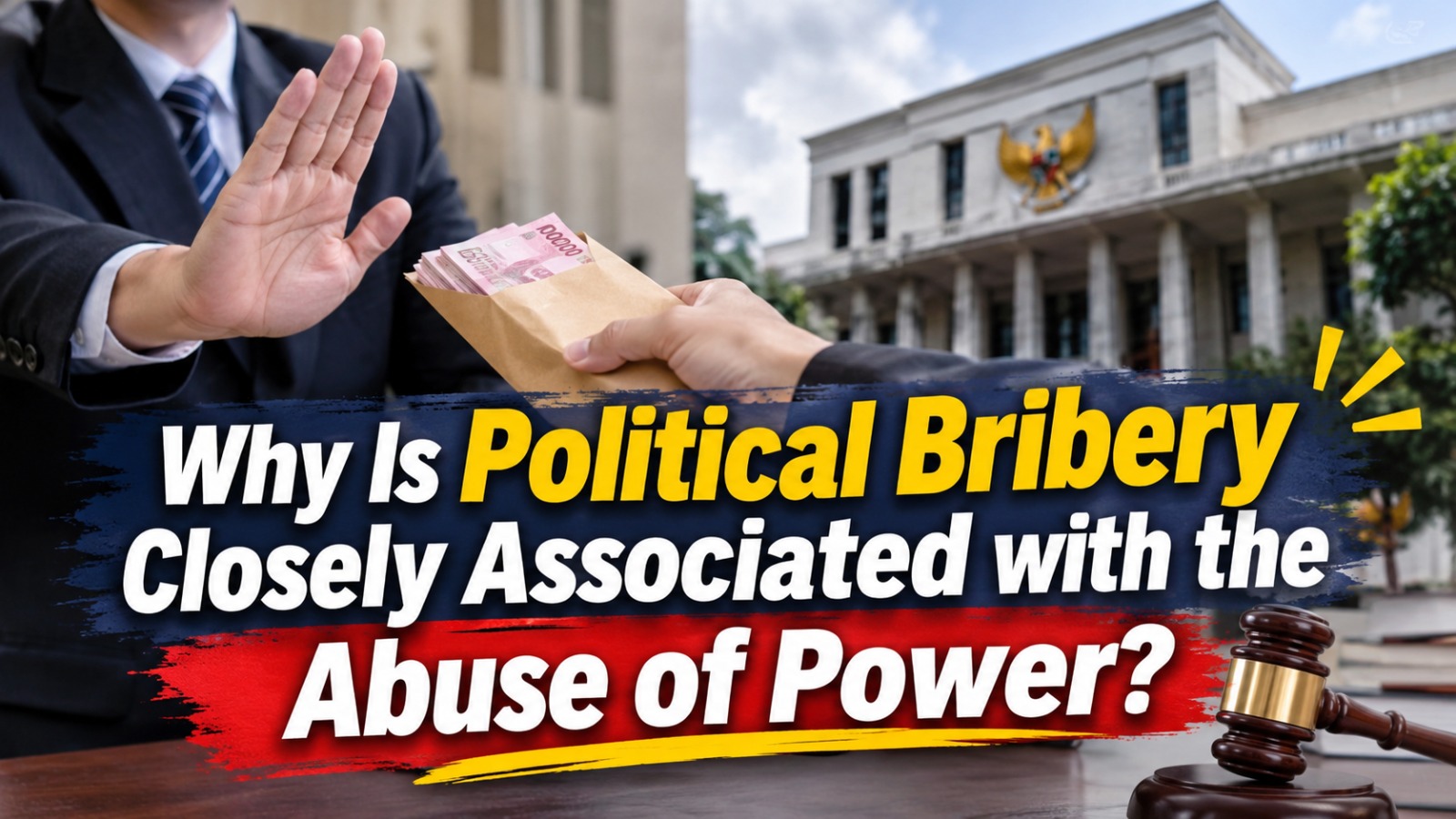
Political bribery and the abuse of power are closely connected because both involve the misuse of authority for personal or private interests. In democratic systems, public officials are expected to make decisions based on laws, ethical standards, and the needs of society. However, some individuals use their political positions to obtain money, gifts, or other benefits through illegal agreements. These activities can influence government policies, public services, and important political decisions. Political bribery becomes especially dangerous when officials use their authority to protect those who provide illegal benefits. Understanding the relationship between political bribery and the abuse of power is essential for strengthening government accountability and protecting democratic principles.
UNDERSTANDING THE RELATIONSHIP BETWEEN POLITICAL BRIBERY AND ABUSE OF POWER
Political bribery refers to the act of offering, giving, requesting, or receiving money, gifts, services, or other benefits to influence political or government decisions improperly. Meanwhile, abuse of power occurs when individuals use their official authority for purposes that violate their responsibilities or exceed their legal rights. These two practices are closely related because bribery often involves officials misusing their positions to provide special advantages to certain individuals or organizations. Instead of serving the public interest, they prioritize personal benefits or the interests of specific groups.
For example, a government official may accept money from a company in exchange for approving a project without following the proper procedures. In this situation, the financial benefit represents political bribery, while the misuse of official authority represents an abuse of power. Both actions can violate legal regulations and damage the credibility of government institutions. Therefore, political bribery is not simply a financial problem but also a serious violation of public responsibility and institutional integrity.
HOW POLITICAL AUTHORITY CREATES OPPORTUNITIES FOR BRIBERY
Political authority gives public officials the ability to influence important decisions involving government budgets, public procurement, business permits, and administrative services. When this authority is not properly monitored, individuals may use their positions to demand or accept illegal payments. Officials who control important administrative processes can create opportunities for bribery by providing special treatment to individuals willing to offer personal benefits. This situation becomes more dangerous when decision-making procedures are complicated and lack transparency.
Another problem occurs when officials have excessive control over government resources without sufficient supervision. For example, an official responsible for selecting contractors may manipulate evaluation results to favor a company that has offered financial rewards. Such behavior creates unfair competition because qualified companies may lose opportunities despite meeting the required standards. It can also increase government expenses and reduce the quality of public projects. Effective supervision, clear administrative procedures, and independent audits are necessary to prevent political authority from becoming a tool for personal enrichment.
THE ROLE OF PERSONAL INTERESTS AND POLITICAL INFLUENCE
Personal interests are among the reasons why some public officials become involved in political bribery. Individuals who prioritize wealth, business opportunities, or political positions may misuse their authority to obtain advantages from other parties. These interests can encourage secret agreements between government officials, business owners, and political organizations. In some situations, officials may exchange favorable government decisions for financial rewards or other valuable benefits. Such arrangements weaken ethical standards and make public institutions vulnerable to corruption.
Political influence can also protect bribery activities from investigation and legal consequences. Powerful individuals may use their connections to interfere with administrative procedures, influence investigations, or protect people involved in illegal agreements. This situation creates conflicts of interest and weakens the independence of government institutions. When political relationships become more influential than legal regulations, the principle of equality before the law becomes difficult to maintain. Therefore, independent law enforcement and strong ethical standards are important for preventing political influence from being misused.
THE IMPACT OF BRIBERY AND ABUSE OF POWER ON SOCIETY
Political bribery and the abuse of power can create serious consequences for government institutions and society. One major impact is the decline of public trust because citizens may believe that government decisions are influenced by money and personal relationships rather than fairness. When officials misuse their positions, people can lose confidence in political leadership and public administration. This situation may also reduce public participation in democratic activities because citizens feel that their opinions and interests are not properly represented.
Furthermore, these practices can damage economic development and the quality of public services. Government contracts may be awarded to companies that provide illegal benefits instead of businesses with the best qualifications and performance. As a result, infrastructure projects may experience poor quality, unnecessary expenses, or delays. Public funds that should support education, healthcare, and community development may also be misused. In the long term, corruption and institutional weakness can increase inequality and prevent communities from receiving the services they need.
STRATEGIES TO PREVENT POLITICAL BRIBERY AND ABUSE OF POWER
Preventing political bribery requires strong regulations, transparent government procedures, and consistent enforcement of the law. Government institutions must establish clear standards that define the responsibilities and limitations of public officials. Independent anti-corruption agencies should also have sufficient authority to investigate suspicious financial activities and examine possible conflicts of interest. In addition, public procurement and government spending should be monitored through transparent reporting systems. These measures can reduce opportunities for officials to misuse their positions.
Citizens also play an important role in controlling political bribery and abuse of power. They can participate by monitoring government activities, reporting suspicious behavior, and supporting leaders who demonstrate honesty and accountability. Political education can help communities understand the importance of ethical leadership and recognize illegal political practices. Political parties should also establish internal supervision and enforce strict ethical rules for their members. Through cooperation between government institutions, law enforcement agencies, political organizations, and society, political bribery can be reduced and democratic governance can become more responsible.
CONCLUSION
Political bribery is closely associated with the abuse of power because both involve the misuse of political authority for personal or private benefits. Public officials may accept illegal payments in exchange for favorable decisions, special treatment, or access to government resources. This behavior can weaken institutional integrity, damage public trust, reduce economic opportunities, and create unfair government policies.
Preventing these practices requires transparent administration, independent supervision, strong law enforcement, and responsible political leadership. Citizens must also actively monitor government activities and reject all forms of bribery. By strengthening accountability and promoting ethical behavior, democratic institutions can protect public interests and maintain the trust of society.
Recent Posts

How Does Technology Make Daily Evaluation... 21.11.2026/58 View

Apa Strategi Menghadapi Kesenjangan antara Kompetensi... 21.11.2026/60 View

Mengapa Inventaris Aset Penting bagi Kelancaran... 21.11.2026/56 View

When Should Musicians Join a Record... 21.11.2026/55 View

Daily Evaluation or Daily Planning Which... 21.11.2026/63 View
