

Why Is Political Education Essential for Raising Awareness About Political Bribery?
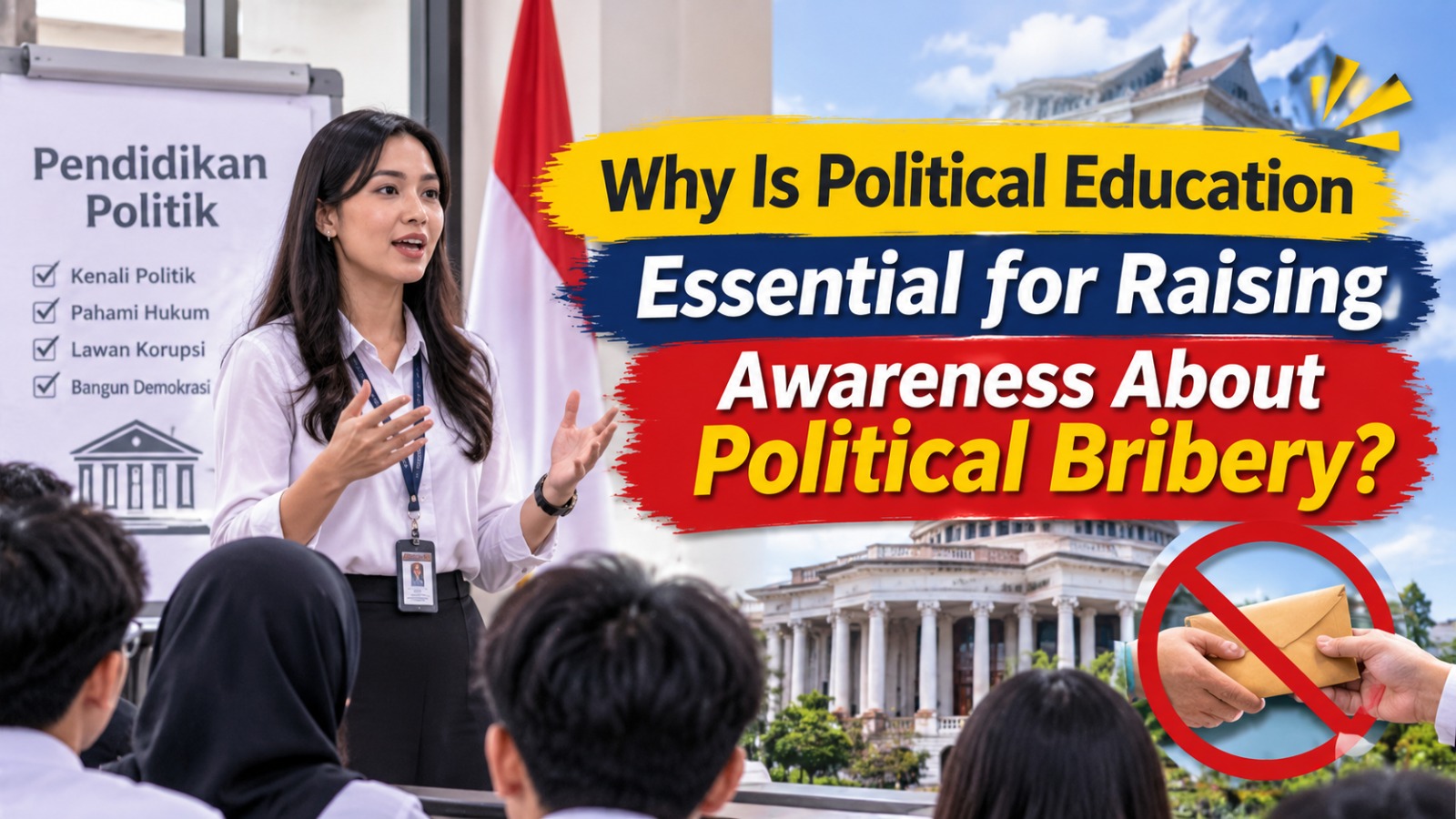
Political bribery is a serious challenge that can weaken democracy, damage government institutions, and reduce public trust. This practice often occurs when money, gifts, or other benefits are used to influence political decisions for personal or group interests. Many citizens may recognize obvious forms of bribery, such as offering cash in exchange for votes, but they may not understand more complicated forms of political manipulation. Limited political knowledge can make people more vulnerable to misleading campaign promises, financial pressure, and unethical political activities. Therefore, political education plays an important role in helping citizens understand their rights, recognize bribery, and participate responsibly in democratic processes. Through better political awareness, society can contribute to creating a transparent and accountable political system.
UNDERSTANDING POLITICAL EDUCATION AND POLITICAL BRIBERY
Political education is a learning process that helps individuals understand political systems, government responsibilities, democratic principles, and their rights as citizens. It provides knowledge about elections, public policies, political participation, and the responsibilities of elected representatives. Through political education, people can understand how government institutions operate and why honesty, transparency, and accountability are important in public administration. This knowledge also encourages citizens to evaluate political information carefully before making decisions.
Meanwhile, political bribery refers to the improper exchange of money, gifts, services, or other benefits to influence political decisions or obtain certain advantages. This practice can involve candidates, government officials, political parties, business representatives, and voters. Political bribery may occur through vote buying, illegal campaign financing, or hidden agreements involving public resources. Without sufficient political knowledge, citizens may struggle to recognize these activities and understand their negative consequences. Therefore, political education helps people identify unethical political practices and protect democratic values.
HOW POLITICAL EDUCATION INCREASES AWARENESS OF POLITICAL BRIBERY
Political education helps citizens recognize different forms of bribery that may occur during election campaigns and government activities. People can learn to identify suspicious cash distributions, valuable gifts offered in exchange for votes, and promises of special treatment for political supporters. They can also understand the difference between legitimate campaign activities and practices intended to manipulate political choices. This knowledge reduces the possibility of citizens becoming victims of political exploitation.
Another important benefit is the development of critical thinking skills. Citizens who understand political issues are more likely to question campaign promises, examine candidates' backgrounds, and evaluate political information from reliable sources. They can also recognize situations in which financial interests may influence government decisions. Instead of supporting candidates because of immediate material rewards, informed voters can consider leadership quality, public programs, and long-term social benefits. As a result, political education encourages more independent and responsible political participation.
THE ROLE OF CITIZENS IN PREVENTING POLITICAL BRIBERY
Citizens have an important responsibility in preventing political bribery because democratic systems depend on active public participation. One way to contribute is by refusing money, gifts, or other benefits offered in exchange for political support. Voters should make decisions based on candidates' qualifications, policies, and commitment to public welfare rather than temporary financial advantages. They should also avoid participating in activities that involve illegal political agreements or attempts to manipulate election results.
Citizens can also help prevent bribery by reporting suspicious activities through appropriate official channels. Community members, students, journalists, and civil society organizations can work together to spread information about election regulations and ethical political behavior. In Indonesia, the public can report suspected election violations to Bawaslu (the Election Supervisory Agency) according to established procedures. Furthermore, discussions, public campaigns, and educational activities can encourage communities to become more aware of political corruption. Through these efforts, citizens can strengthen democratic participation and help create a political environment that respects honesty and fairness.
STRENGTHENING POLITICAL EDUCATION THROUGH SCHOOLS AND GOVERNMENT INSTITUTIONS
Schools and universities can become important places for developing political awareness among young people. Educational institutions can introduce lessons about democracy, election systems, government responsibilities, corruption, and citizens' rights. Students can also participate in discussions, debates, and simulations that help them understand how political decisions affect society. These activities encourage young people to develop independent opinions and recognize the importance of ethical leadership.
Government institutions and civil society organizations should also provide accessible political education programs for the wider community. Public discussions, community workshops, educational campaigns, and reliable information platforms can help people understand political bribery and its consequences. Election supervisory agencies can explain reporting procedures and provide information about violations that citizens should recognize. Political literacy should reach different age groups and social backgrounds so that everyone has an opportunity to understand democratic responsibilities. When political education becomes a continuous process, society can become more informed, critical, and resistant to political manipulation.
CONCLUSION
Political education is essential for raising awareness about political bribery because it helps citizens understand democratic principles, recognize unethical political practices, and protect their political rights. Through political knowledge and critical thinking, voters can identify vote buying, suspicious campaign activities, and other forms of political manipulation. Education also encourages citizens to reject bribery, report suspected violations, and participate responsibly in elections. Schools, universities, government institutions, and civil society organizations all have important roles in improving public political awareness. By strengthening political education, society can support transparent government institutions, responsible leadership, and a healthier democratic system.
Recent Posts
Apa Dampak Jika Siswa Tidak Mengikuti... 17.11.2026/45 View

Seberapa Penting Pengalaman Organisasi Kampus dalam... 17.11.2026/45 View

Mengapa Upacara Bendera Menjadi Sarana Mengenang... 17.11.2026/43 View

Apa Perbedaan Desainer Grafis dan Desainer... 17.11.2026/47 View
Bagaimana Cara Meningkatkan Semangat Siswa dalam... 17.11.2026/50 View
