

Why Is Political Financial Transparency Important in Preventing Bribery?
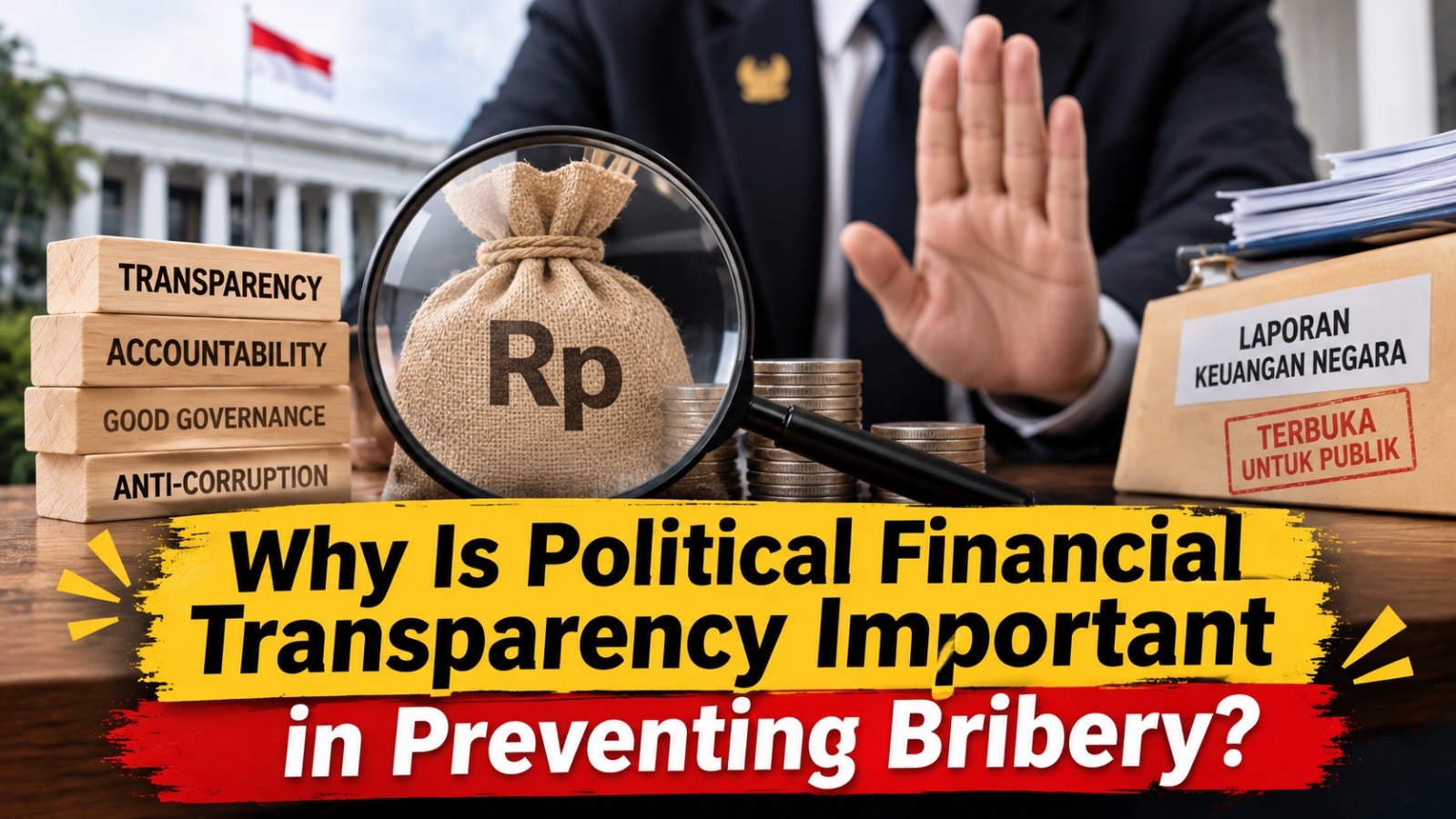
Political financial transparency is an important element in maintaining honest government institutions and protecting democratic values. In a democratic system, political activities often involve financial resources for election campaigns, political party operations, public programs, and government administration. Without proper monitoring, these financial activities can create opportunities for bribery, corruption, and the misuse of political power. Financial transparency helps citizens understand where political funds come from, how they are used, and whether financial transactions follow applicable regulations. It also encourages politicians and public officials to take responsibility for their financial decisions. Therefore, strengthening political financial transparency is essential for preventing bribery and building a fair, accountable, and trustworthy political system.
UNDERSTANDING POLITICAL FINANCIAL TRANSPARENCY
Political financial transparency refers to the openness of political parties, candidates, and government institutions in providing information about their financial activities. This includes campaign donations, political expenditures, public budgets, financial reports, and other transactions related to political responsibilities. Through transparent financial reporting, citizens and supervisory institutions can examine whether political funds are obtained and used according to applicable laws. This process also helps identify suspicious transactions that may indicate bribery or other forms of corruption.
Financial transparency is important because political activities can involve large amounts of money from different sources. Donations may come from individuals, businesses, organizations, or other permitted contributors. Without clear reporting requirements, financial contributions can become difficult to monitor and may be used to obtain special political advantages. Financial accountability ensures that political actors explain their financial decisions and remain responsible for the resources they manage.
HOW FINANCIAL TRANSPARENCY HELPS PREVENT POLITICAL BRIBERY
One of the main benefits of financial transparency is its ability to reduce opportunities for hidden financial agreements. When political donations and expenditures are properly documented, suspicious transactions become easier for authorities and the public to identify. For example, unusually large campaign contributions from individuals or companies seeking government contracts may require further examination. Transparent financial records can help determine whether political funding is being used to influence official decisions improperly.
Financial transparency also discourages politicians and public officials from accepting illegal payments because their financial activities can be monitored. Clear reporting systems create greater risks for individuals who attempt to hide bribery through unofficial transactions or secret agreements. In addition, independent financial audits can identify irregularities and provide evidence for further investigation. These measures strengthen anti-corruption efforts and encourage political representatives to follow ethical standards when managing financial resources.
THE ROLE OF GOVERNMENT IN STRENGTHENING FINANCIAL ACCOUNTABILITY
Governments have an important responsibility to establish regulations that require political parties, candidates, and public institutions to report their financial activities accurately. These regulations should explain which financial contributions are permitted, how expenditures must be recorded, and what information should be made available to the public. Governments must also establish effective monitoring systems to ensure that financial reports are not manipulated or intentionally hidden. Consistent law enforcement is necessary so that individuals who violate financial regulations receive appropriate legal consequences.
Independent supervisory institutions also play an essential role in maintaining financial accountability. They can examine campaign financing, investigate suspicious transactions, conduct audits, and coordinate with law enforcement agencies when potential violations are discovered. Digital financial reporting systems can further improve transparency by making information easier to organize, access, and evaluate. When government institutions provide reliable financial information, citizens can better understand how political resources are managed and identify possible signs of bribery.
THE IMPORTANCE OF PUBLIC PARTICIPATION AND ACCESS TO FINANCIAL INFORMATION
Public participation is another important factor in preventing political bribery. Citizens have the right to understand how political parties and government institutions obtain and use financial resources, particularly when public funds are involved. Access to reliable financial information allows people to evaluate whether political activities are conducted responsibly. It also helps voters identify potential conflicts of interest between political representatives and private organizations that provide financial support.
Journalists, civil society organizations, academics, and independent researchers can also contribute by examining financial reports and reporting suspicious activities. Their investigations can help expose hidden financial relationships and encourage government institutions to respond to potential violations. Meanwhile, political education can improve public understanding of campaign financing, corruption risks, and financial accountability. When citizens actively monitor political activities, transparency becomes more effective because public officials understand that their financial decisions are subject to public scrutiny.
CONCLUSION
Political financial transparency is important in preventing bribery because it makes political funding and expenditures easier to monitor and evaluate. Transparent financial reporting reduces opportunities for hidden transactions, discourages illegal payments, and strengthens government accountability. Governments must establish clear regulations, independent supervision, and effective auditing systems to ensure that political financial activities follow the law. Citizens, journalists, and civil society organizations also have an important role in monitoring financial information and reporting suspicious activities. Through cooperation and consistent enforcement, political financial transparency can help create cleaner government institutions and strengthen public trust in democracy.
Recent Posts

How Does Technology Make Daily Evaluation... 21.11.2026/58 View

Apa Strategi Menghadapi Kesenjangan antara Kompetensi... 21.11.2026/60 View

Mengapa Inventaris Aset Penting bagi Kelancaran... 21.11.2026/56 View

When Should Musicians Join a Record... 21.11.2026/55 View

Daily Evaluation or Daily Planning Which... 21.11.2026/63 View
