

Why Is Political Literacy Important Before an Election?
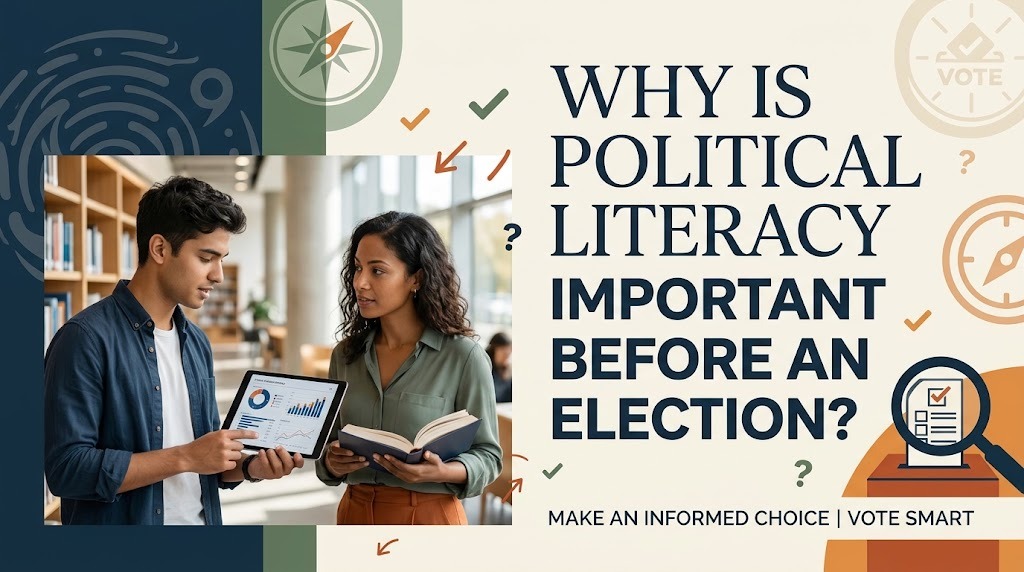
Political literacy can help people understand elections, political information, public institutions, and civic responsibilities. Before an election, people may encounter many campaign messages, policy discussions, news reports, surveys, and opinions from different sources.
Having adequate political literacy before an election can help individuals evaluate information more carefully and understand the issues being discussed. It does not determine which candidate or political option a person should support. Instead, it provides knowledge and skills that can help each individual make their own informed decision.
HELPING PEOPLE UNDERSTAND THE ELECTION PROCESS
One reason political literacy is important before an election is that it can help people understand how the electoral process works. Voters may need to know about election procedures, eligibility requirements, voting schedules, and the roles of relevant institutions.
Understanding the basic election process can make it easier for people to find accurate information from official sources. It can also help them recognize which information relates to established election rules and which claims require further verification.
Knowledge about the election process is particularly useful when rules or procedures change. People can refer to official election authorities and relevant regulations for the most current information.
HELPING PEOPLE EVALUATE POLITICAL INFORMATION
Before an election, the amount of political information available to the public can increase significantly. People may encounter campaign statements, policy proposals, news reports, social media posts, videos, and political commentary.
Political literacy can encourage people to check the source, publication date, evidence, and context of information. UNESCO's media and information literacy framework emphasizes the importance of accessing, evaluating, and using information effectively.
Comparing information from credible sources can also help individuals identify differences between factual information, opinions, interpretations, and claims that require additional verification.
REDUCING THE RISK OF POLITICAL HOAXES
Political hoaxes and misinformation can become particularly concerning during election periods because political content can spread quickly through digital platforms. A misleading image, edited video, false quotation, or inaccurate claim may be shared widely before people have an opportunity to verify it.
Political literacy can help individuals develop habits such as checking original sources, comparing information, and examining evidence before sharing content. These habits do not guarantee that every false claim will be identified, but they can improve the process of evaluating information.
UNESCO and other international organizations emphasize media and information literacy as an important part of helping people navigate misinformation and disinformation in digital environments.
ENCOURAGING INFORMED CONSIDERATION OF ISSUES
An election can involve many public issues and policy questions. Political literacy can help people understand what different proposals involve and how public institutions relate to those issues.
Instead of focusing only on slogans or short statements, individuals can look for more detailed information about policies, programs, responsibilities, and available evidence. They can also consider information from multiple credible sources.
This process allows each person to assess political information according to their own priorities and circumstances. Political literacy provides tools for understanding information without prescribing which political choice someone should make.
SUPPORTING RESPONSIBLE CIVIC PARTICIPATION
Elections are one form of civic participation, and political literacy can help people approach them with a better understanding of their rights and responsibilities. The Council of Europe describes democratic citizenship as involving participation in civic and political processes alongside rights and responsibilities.
Responsible participation can involve learning about election procedures, checking information, understanding public issues, and communicating respectfully with people who hold different views. These habits can be useful before, during, and after an election.
Political literacy also reminds people that disagreement is a normal part of democratic society. Individuals can have different political preferences while respecting other people's rights and participating within established democratic rules.
CONCLUSION
Political literacy is important before an election because it can help people understand election procedures, evaluate political information, recognize misleading claims, consider public issues, and participate responsibly.
Developing political literacy skills does not tell individuals which candidate, party, or political option to choose. Instead, it provides a foundation for checking information and forming an independent judgment based on the information each person considers relevant.
Recent Posts

Bagaimana Sistem SKS pada Program Kuliah... 22.11.2026/33 View

How Does Technology Make Daily Evaluation... 21.11.2026/67 View

Apa Strategi Menghadapi Kesenjangan antara Kompetensi... 21.11.2026/67 View

Mengapa Inventaris Aset Penting bagi Kelancaran... 21.11.2026/65 View

When Should Musicians Join a Record... 21.11.2026/66 View
