

Why Is School Zoning An Important Topic In Education?
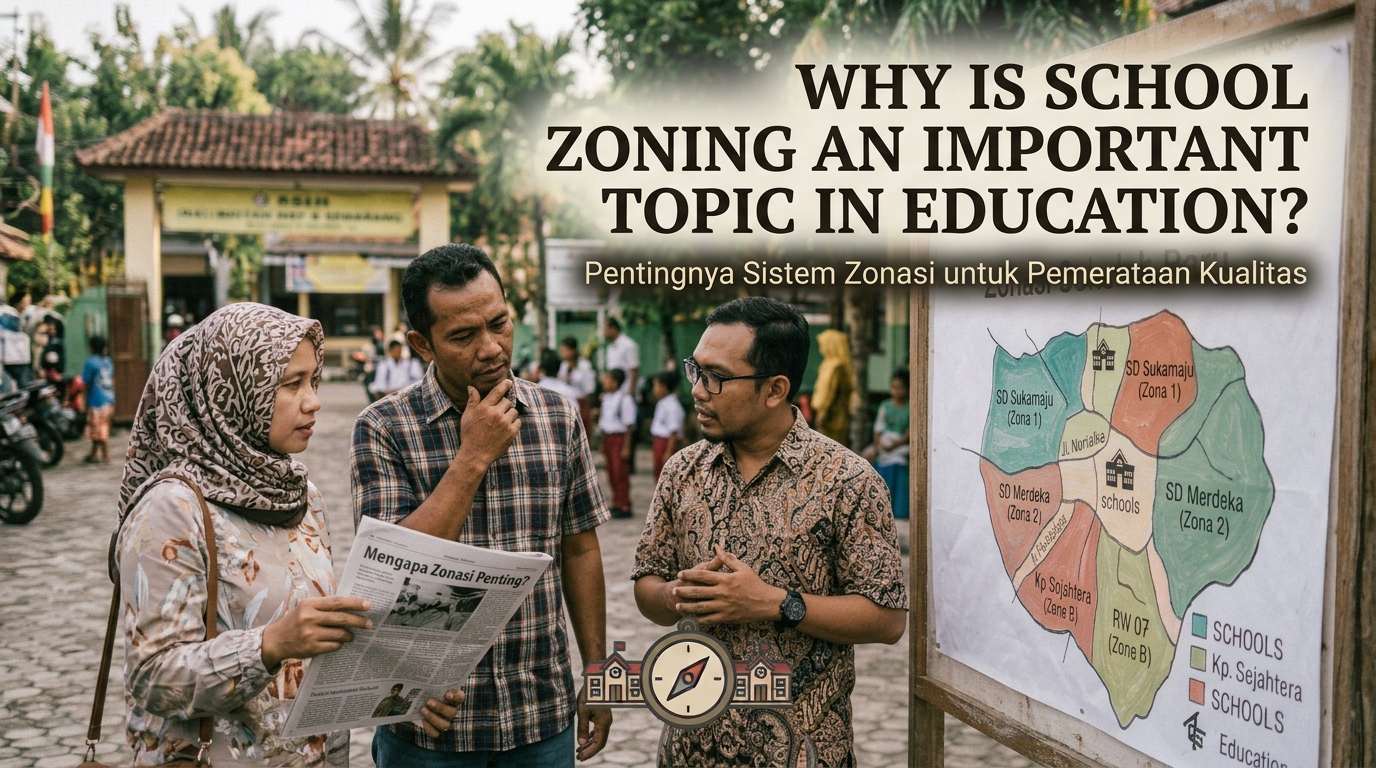
School zoning is an important topic in education because it influences where students can attend school and how educational opportunities are distributed. The policy generally considers a student's place of residence when determining access to nearby schools, depending on the rules in a particular area. Its main purpose is to make school access more balanced and reduce the need for students to travel long distances. However, school zoning also raises questions about fairness, school quality, and admission opportunities. Understanding school zoning helps parents, students, teachers, and policymakers evaluate its benefits and challenges.
PROMOTING EQUAL ACCESS TO EDUCATION
One major reason school zoning matters is its potential to support equal access to education. By considering students who live near a school, the system can create opportunities for local children to attend nearby educational institutions. This may be especially helpful for families who have limited transportation options or face high daily travel costs. A shorter journey can also make school attendance more convenient and reduce time spent commuting. Nevertheless, residence-based admission alone cannot guarantee equal opportunities for every student.
Access to education also depends on school capacity, teaching quality, facilities, and the availability of qualified teachers. If some schools have significantly better resources than others, families may continue to compete for places at those institutions. For this reason, zoning policies work best when supported by efforts to improve educational standards across different communities. Fair admission rules and balanced school resources are both important for creating more inclusive education.
REDUCING THE DISTANCE STUDENTS TRAVEL
School zoning can encourage students to attend schools closer to their homes. Shorter travel distances may reduce transportation expenses and make daily routines easier for students and their families. Students may also have more time for rest, homework, extracurricular activities, and family responsibilities. In some communities, nearby schools can help strengthen relationships between schools and local residents. These advantages make distance an important consideration in school admission policies.
However, the nearest school may not always be the most suitable option for every student. School capacity, available programs, accessibility needs, and official admission criteria can affect the final placement. Some students may still need to travel farther because nearby schools cannot accommodate all eligible applicants. Convenient school access should therefore be considered alongside educational needs and the rules governing admission. Authorities need to plan school locations and capacity carefully to support local demand.
REDUCING COMPETITION FOR POPULAR SCHOOLS
Popular schools often attract applicants from many different neighborhoods because of their reputation, facilities, or perceived academic quality. School zoning may help manage this demand by giving eligible local students an opportunity to apply through a domicile-based pathway. This can encourage families to consider schools within their own communities instead of focusing only on well-known institutions. It may also motivate education authorities to pay closer attention to student distribution. However, zoning does not automatically remove competition for schools with limited places.
When the number of eligible applicants exceeds available capacity, schools still need to apply the official selection criteria. Living nearby does not necessarily guarantee admission, because the outcome depends on the regulations and selection procedures for that year. Parents should understand the rules before choosing a school. Transparent admission procedures can help reduce confusion and improve public confidence in the system. Authorities should also explain how applications are assessed and how families can raise concerns.
IMPROVING BALANCE BETWEEN SCHOOLS
School zoning is also important because it can encourage a more balanced distribution of students across educational institutions. When admission opportunities are linked partly to residence, families may become more interested in schools located in their neighborhoods. This can create opportunities for local schools to build stronger relationships with parents and communities. It may also encourage policymakers to review whether schools have enough classrooms, teachers, and learning materials. These changes can support better long-term education planning.
Still, a more balanced student distribution does not automatically mean that schools have equal quality. Differences in facilities, leadership, learning environments, and extracurricular opportunities may continue to influence family preferences. Education authorities should identify schools that need additional support and invest in improving their services. Balanced educational quality is essential so that students have meaningful opportunities regardless of where they live. Without these improvements, zoning may change enrollment patterns without addressing deeper educational inequalities.
SUPPORTING PARENTS AND STUDENTS IN MAKING DECISIONS
Understanding school zoning helps parents make informed decisions during school admission. Families can check the official requirements, prepare residence documents, and learn about registration deadlines before the application period begins. They can also compare nearby schools based on learning programs, facilities, student support, and accessibility. This preparation reduces the risk of missing important steps or relying on incorrect information. Accurate information helps parents set realistic expectations about admission outcomes.
Students can also benefit from understanding how the system works. They can learn that school placement may depend on several official criteria rather than reputation alone. Families should review the latest rules issued by the relevant education authority because procedures can change between admission years. In Indonesia, school admission follows the applicable Sistem Penerimaan Murid Baru (SPMB) framework, with detailed requirements depending on current regulations and local policies. Checking official sources is the best way to understand which pathways and conditions apply.
ADDRESSING CHALLENGES AND EDUCATIONAL INEQUALITY
Although school zoning has potential benefits, it also presents challenges that deserve public discussion. Some families may live near schools that have limited capacity, while others may have difficulty accessing a suitable school through a residence-based pathway. Differences in school quality can also lead parents to question whether the system offers fair opportunities. Inaccurate documents or unclear admission information may create additional problems during registration. These issues show why zoning should be evaluated carefully rather than treated as a complete solution.
Education authorities can address these challenges by improving school facilities, distributing teachers more fairly, and publishing clear admission guidelines. They should also provide accessible channels for questions, verification, and complaints. Regular evaluation can help determine whether the policy is meeting its goals and which communities need additional support. Fairness, transparency, and consistent school improvement should remain central to the process. With careful planning, zoning can contribute to a stronger and more inclusive education system.
CONCLUSION
School zoning is an important topic in education because it affects school access, student admission, travel distance, and the distribution of educational opportunities. It can help local students access nearby schools and encourage families to consider different educational institutions. However, the policy cannot solve every problem, especially when school quality and capacity vary significantly. Effective implementation requires clear admission rules, accurate information, and continued investment in schools across different communities. A fair education system needs both transparent zoning policies and quality learning opportunities for every student.
Recent Posts

Bagaimana Sistem SKS pada Program Kuliah... 22.11.2026/57 View

How Does Technology Make Daily Evaluation... 21.11.2026/86 View

Apa Strategi Menghadapi Kesenjangan antara Kompetensi... 21.11.2026/84 View

Mengapa Inventaris Aset Penting bagi Kelancaran... 21.11.2026/82 View

When Should Musicians Join a Record... 21.11.2026/86 View
