

Why Is School Zoning Used In Student Admission Systems?
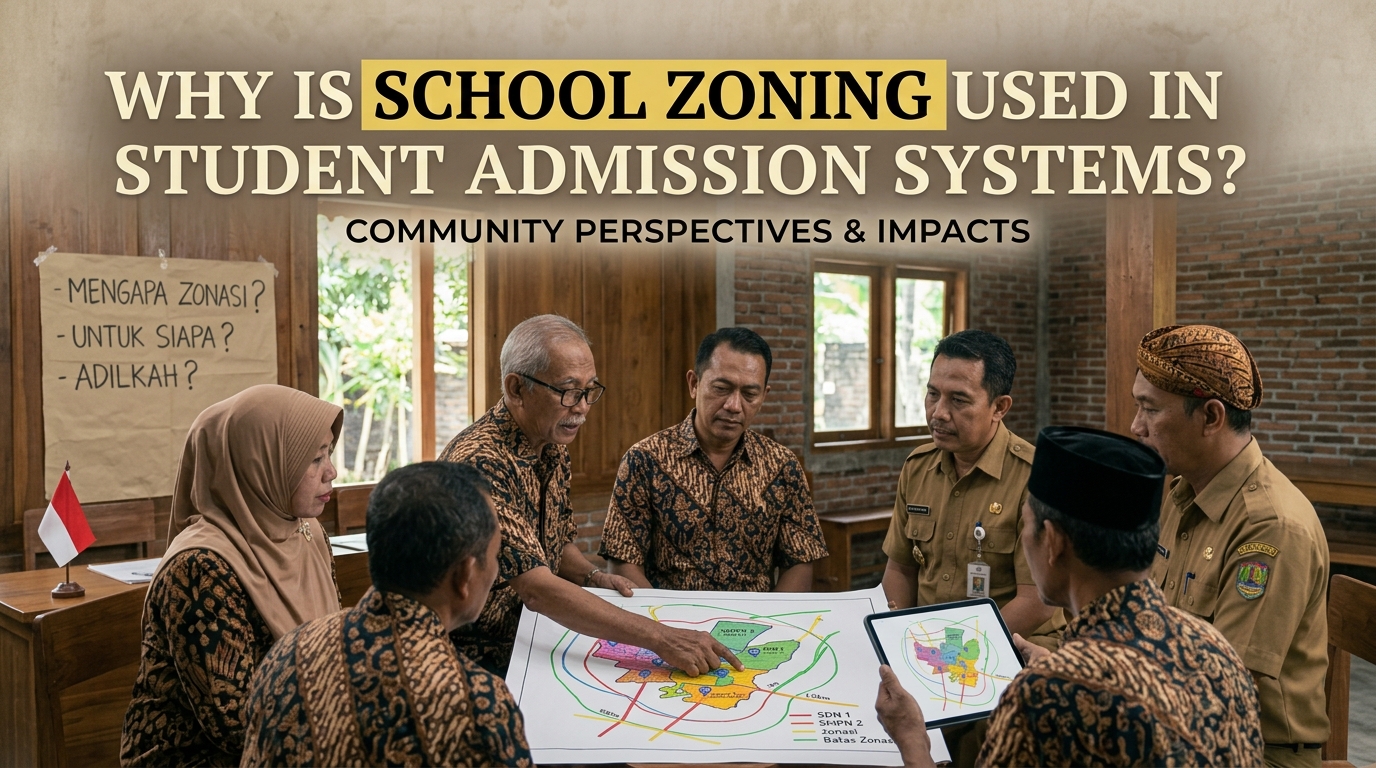
School zoning is used in student admission systems to help organize enrollment, improve access to education, and distribute students across public schools more effectively. This policy connects students with schools based on their residential locations or designated geographic areas. By considering where students live, education authorities can plan school capacity and make admission procedures more structured. However, the effectiveness of school zoning depends on fair regulations, school quality, and the needs of local communities.
THE MAIN PURPOSE OF SCHOOL ZONING
School zoning is designed to make student admission more organized by assigning priority or eligibility based on residential location. It helps education authorities manage the number of students entering each school and reduce excessive competition for certain institutions. Without a clear admission system, popular schools may receive more applicants than their available places can accommodate. Zoning can help distribute enrollment more predictably and support better education planning.
Another important purpose is to encourage equitable access to education. Students may have a better opportunity to attend a nearby public school instead of competing solely for admission to a school far from home. This approach can reduce travel distances and make daily school attendance more convenient. However, zoning alone cannot guarantee equal educational opportunities because school facilities, teacher availability, and learning quality may differ between areas.
IMPROVING EQUAL ACCESS TO EDUCATION
One reason school zoning is used is to reduce barriers that prevent students from accessing public education. When admission considers residential location, students can receive priority at designated schools according to the applicable rules. This may help families who cannot afford long daily journeys or additional transportation expenses. It can also encourage schools to serve the communities around them.
However, equal access does not mean that every student automatically receives admission to their preferred school. The number of applicants, available seats, eligibility requirements, and local admission policies can affect the final result. Education authorities must therefore ensure that students have access to suitable alternatives when nearby schools reach capacity. Improving the quality of schools across different neighborhoods is also essential to make zoning fairer in practice.
REDUCING OVERCROWDING IN POPULAR SCHOOLS
Popular schools often attract applicants from many different neighborhoods because of their reputation, facilities, or academic programs. When too many students apply to one institution, classrooms may become overcrowded and school resources may be stretched. School zoning can help manage this situation by establishing geographic admission priorities and distributing enrollment more systematically.
With more predictable student numbers, schools can plan classroom arrangements, teacher assignments, and learning materials more effectively. Education authorities can also identify areas that need additional classrooms or new school buildings. Nevertheless, zoning may not completely solve overcrowding if the number of school-age children exceeds the capacity of nearby schools. Long-term planning and adequate investment in education infrastructure remain necessary.
REDUCING STUDENT TRAVEL DISTANCES
School zoning can make education more accessible by connecting students with schools located closer to their homes. Shorter travel distances may reduce transportation expenses and the time students spend commuting. This can make school attendance more convenient for students and their families, especially in areas where public transportation is limited.
Attending a nearby school may also help students maintain stronger relationships with their local communities. However, the actual distance between home and school depends on the location of school buildings, road conditions, and the boundaries established by education authorities. A nearby school may not always be the most accessible option if transportation routes are difficult or the school lacks sufficient capacity. Therefore, zoning policies should consider real travel conditions, not only residential boundaries.
SUPPORTING FAIRER STUDENT DISTRIBUTION
Another reason for using school zoning is to help education authorities understand and manage the distribution of students. Population levels vary between neighborhoods, so some schools may experience high demand while others have available places. By analyzing residential and enrollment data, authorities can make more informed decisions about school capacity and resource allocation.
A well-planned system can support balanced enrollment and help schools prepare for future demand. For example, areas experiencing rapid population growth may require additional classrooms, teachers, or new schools. However, zoning boundaries must be reviewed regularly because residential patterns can change over time. Accurate data and transparent admission procedures are essential to prevent unfair outcomes.
HELPING GOVERNMENTS PLAN EDUCATION RESOURCES
School zoning provides useful information for education planning because it helps authorities estimate where students live and which schools they are likely to attend. These estimates can support decisions about teacher recruitment, school construction, classroom capacity, and learning materials. Governments can also identify neighborhoods where existing education facilities may not meet community needs.
Effective planning requires cooperation between schools, local governments, and education departments. Authorities should monitor enrollment trends and evaluate whether schools have enough resources to serve their assigned communities. If certain areas continue to experience overcrowding or limited access, officials may need to adjust school boundaries or expand facilities. In this way, zoning can become part of a broader strategy for improving education services.
CHALLENGES OF SCHOOL ZONING IN ADMISSION SYSTEMS
Although school zoning has several potential benefits, its implementation can create difficulties. One major concern is the difference in educational quality between schools. If some schools have better facilities, more experienced teachers, or stronger academic programs, families may feel disadvantaged when their residential area determines admission priority.
Another challenge is that residential areas do not always match school capacity. A densely populated neighborhood may have too few school places, while a less populated area may have unused facilities. Inaccurate residential information and unclear admission rules can also reduce public trust. To address these problems, authorities should provide transparent regulations, fair procedures for exceptional circumstances, and reliable information about available schools.
SCHOOL ZONING IN INDONESIA
In Indonesia, residential location has been an important consideration in public school admissions. Under the current national framework, the Sistem Penerimaan Murid Baru (SPMB) includes a domisili pathway for relevant admissions, with implementation depending on the applicable rules for each education level and local authority. The specific requirements, selection criteria, and available admission pathways should be checked through official government announcements.
The purpose of considering domicile is to help organize access to schools in relation to students' residential areas. However, admission is not necessarily determined by distance alone in every situation. Applicants may need to meet other requirements, and the outcome can depend on school capacity and the relevant selection procedures. Parents should consult their local education office or the official school admission portal to obtain accurate information about deadlines, required documents, and eligibility.
HOW TO MAKE SCHOOL ZONING MORE EFFECTIVE
School zoning can work more effectively when all schools provide a reasonable standard of education. Governments should improve classrooms, learning resources, teacher distribution, and educational facilities, particularly in underserved communities. Reducing differences in school quality can help families feel more confident in the admission system.
Authorities should also use accurate population data, review school boundaries regularly, and communicate admission rules clearly. A fair complaint or appeal process can help address exceptional circumstances while maintaining consistent standards. In addition, regular policy evaluation should measure enrollment distribution, school capacity, travel distances, and access for disadvantaged students. These steps can help ensure that zoning supports educational fairness rather than simply assigning students to schools based on location.
CONCLUSION
School zoning is used in student admission systems to organize enrollment, improve access to nearby schools, manage overcrowding, and support education planning. By considering residential locations, authorities can estimate student demand and distribute public education resources more effectively. However, zoning is not a complete solution to educational inequality because school quality and capacity can differ across communities.
For school zoning to achieve its goals, governments must combine clear admission rules with investment in school facilities, accurate data, and fair implementation. Equal access to quality education should remain the main priority so that every student has a meaningful opportunity to learn and develop.
Recent Posts

Bagaimana Sistem SKS pada Program Kuliah... 22.11.2026/57 View

How Does Technology Make Daily Evaluation... 21.11.2026/86 View

Apa Strategi Menghadapi Kesenjangan antara Kompetensi... 21.11.2026/84 View

Mengapa Inventaris Aset Penting bagi Kelancaran... 21.11.2026/82 View

When Should Musicians Join a Record... 21.11.2026/86 View
