

Why Is Social Awareness Important in Volunteer Activities?
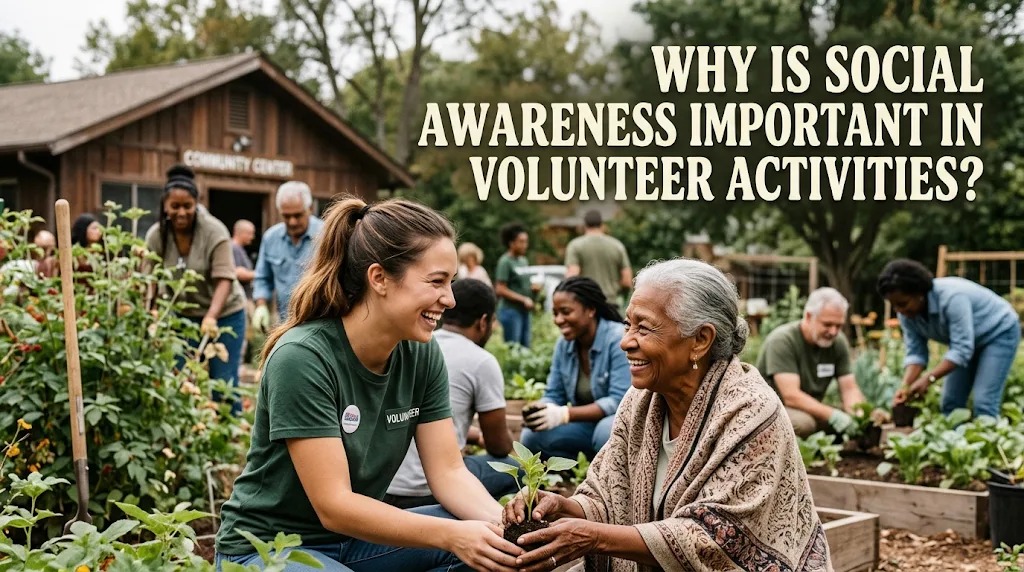
Social awareness is an important part of volunteer activities because it helps people understand the needs, challenges, and experiences of others. When individuals participate in social programs, they often meet people from different backgrounds and communities with different living conditions. Understanding these differences allows volunteers to provide more appropriate support and avoid making assumptions about the people they help.
Volunteer activities are not only about giving assistance but also about building understanding, respect, and cooperation within society. Volunteers who have strong social awareness can recognize problems more clearly, communicate with empathy, and contribute to meaningful solutions. This ability makes volunteer programs more effective and helps create stronger relationships between volunteers and the communities they serve.
UNDERSTANDING THE MEANING OF SOCIAL AWARENESS
Social awareness is the ability to recognize and understand other people's feelings, needs, social conditions, and challenges. It involves understanding that individuals have different experiences, opportunities, and circumstances. In volunteer activities, social awareness helps participants understand why certain communities need assistance and what kind of support may be most useful. It also encourages volunteers to respect cultural differences, personal boundaries, and local traditions.
Having social awareness means looking beyond personal experiences and considering the situation from another person's perspective. For example, volunteers who support children from disadvantaged families should understand that each child may have different educational needs and family conditions. This understanding helps them communicate more respectfully and provide appropriate assistance. As a result, volunteer activities become more inclusive, respectful, and beneficial for everyone involved.
IMPROVING EMPATHY AND UNDERSTANDING OF COMMUNITY NEEDS
Social awareness helps volunteers develop empathy toward people experiencing difficult situations. By learning about the challenges faced by communities, volunteers can better understand the reasons behind problems such as poverty, limited education, unemployment, and unequal access to healthcare. This understanding encourages them to provide assistance without judging or blaming the people they support. Empathy also helps volunteers build trust and create more comfortable interactions with community members.
In addition, social awareness allows volunteers to identify the actual needs of a community before planning activities. Not every community requires the same type of assistance, so volunteers should listen to residents and understand their priorities. For example, a rural community may need educational support, while another area may require clean water facilities or health information. By understanding these differences, volunteers can ensure that their activities address real problems rather than simply following assumptions.
BUILDING BETTER COMMUNICATION AND COOPERATION
Effective communication is essential for successful volunteer activities, especially when volunteers work with people from different social and cultural backgrounds. Social awareness helps individuals understand how their words, attitudes, and actions may affect others. It encourages them to listen carefully, speak respectfully, and avoid language that could make people feel uncomfortable. These communication habits can create a more positive environment during social programs.
Social awareness also strengthens cooperation between volunteers and community members. When volunteers understand different perspectives, they become more willing to accept suggestions, discuss problems, and work toward shared goals. This is important because community development requires participation from the people directly affected by social issues. Through respectful communication and cooperation, volunteer programs can become more organized, inclusive, and sustainable.
PREVENTING SOCIAL MISUNDERSTANDINGS AND DISCRIMINATION
Volunteer activities often involve people with different religions, cultures, economic conditions, educational backgrounds, and personal experiences. Without social awareness, volunteers may unintentionally make unfair judgments or misunderstand certain behaviors. These situations can create discomfort, conflict, or discrimination within a community. Social awareness helps volunteers recognize these differences and treat everyone with fairness and respect.
It also encourages volunteers to understand the importance of equality and inclusion. Every person deserves to receive assistance without being treated differently because of their background or financial situation. For example, volunteers should provide educational support to children based on their learning needs rather than their family circumstances. By avoiding stereotypes and respecting individual differences, volunteers can create safer and more welcoming environments for everyone.
INCREASING THE EFFECTIVENESS AND POSITIVE IMPACT OF VOLUNTEER ACTIVITIES
Social awareness helps volunteer organizations design programs that are more relevant to community needs. Before starting an activity, volunteers can communicate with local residents, identify existing problems, and determine which resources are necessary. This approach makes it easier to plan realistic programs and use available resources responsibly. It also reduces the possibility of organizing activities that do not provide long-term benefits.
Furthermore, social awareness encourages volunteers to think about the long-term impact of their contributions. Instead of providing temporary assistance only, they can support activities that help communities become more independent. Examples include educational programs, skills training, environmental awareness campaigns, and public health education. When volunteer activities are based on a clear understanding of social conditions, they have a greater opportunity to create lasting improvements.
CONCLUSION
Social awareness is important in volunteer activities because it helps individuals understand community needs, develop empathy, communicate effectively, and respect social differences. It also prevents misunderstandings, encourages cooperation, and improves the effectiveness of volunteer programs. By developing social awareness, volunteers can provide more appropriate assistance and build stronger relationships with the communities they support. Ultimately, successful volunteering is not only about helping others but also about understanding their situations and working together to create positive social changes.
Recent Posts

Bagaimana Sistem SKS pada Program Kuliah... 22.11.2026/27 View

How Does Technology Make Daily Evaluation... 21.11.2026/65 View

Apa Strategi Menghadapi Kesenjangan antara Kompetensi... 21.11.2026/65 View

Mengapa Inventaris Aset Penting bagi Kelancaran... 21.11.2026/62 View

When Should Musicians Join a Record... 21.11.2026/63 View
