

Why Is Standard Language Important in Digital Communication?
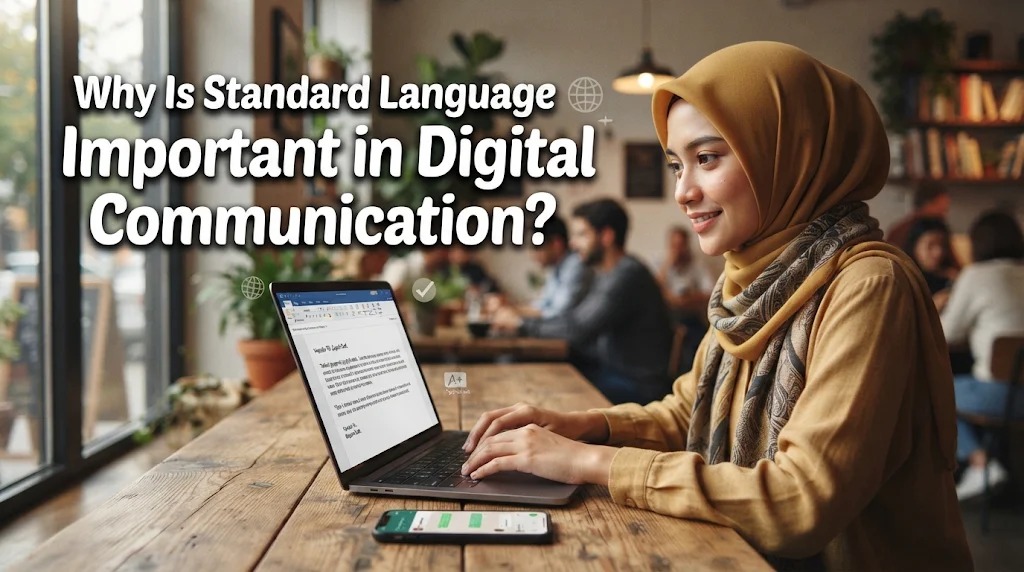
Digital communication has become an essential part of modern life. People use messaging applications, social media platforms, emails, and online discussion forums to exchange information and interact with others. As digital communication continues to develop, choosing appropriate language becomes increasingly important to ensure that messages are understood correctly.
Standard language follows recognized conventions of grammar, spelling, vocabulary, and sentence structure. Using it appropriately in digital communication helps individuals deliver information clearly, maintain professionalism, and reduce misunderstandings. It also allows messages to reach audiences from different backgrounds without relying too heavily on slang or expressions that may not be universally understood.
IMPROVES MESSAGE CLARITY
Standard language helps users express their thoughts through clear vocabulary and organized sentences. In digital communication, messages are often delivered without facial expressions or direct interaction, making clear wording especially important.
Using appropriate language helps readers understand the intended meaning without unnecessary confusion. This is useful when sharing instructions, explaining information, or discussing important matters through digital platforms.
REDUCES ONLINE MISUNDERSTANDINGS
Written messages can sometimes be interpreted differently because readers cannot always recognize the sender's tone or intention. Informal abbreviations, unclear expressions, and excessive slang may increase the possibility of misunderstanding.
Standard language encourages users to choose words carefully and construct complete sentences. This helps reduce ambiguity and makes digital conversations more effective, particularly when discussing important information or resolving problems.
MAINTAINS PROFESSIONALISM
Digital platforms are widely used for academic and professional activities. Employees, students, business owners, and organizations frequently communicate through emails, online meetings, and official messaging applications.
Using standard language in these situations creates a more appropriate communication style. It demonstrates attention to detail and respect for the recipient. Professional language is especially important when contacting teachers, supervisors, customers, or business partners.
SUPPORTS EFFECTIVE ACADEMIC COMMUNICATION
Students use digital communication to submit assignments, discuss lessons, contact teachers, and participate in online learning activities. These interactions often require language that is clear, polite, and consistent with academic expectations.
Standard language helps students communicate questions and explanations more effectively. It also prepares them to write formal emails, participate in online discussions, and complete digital assignments using appropriate expressions.
STRENGTHENS BUSINESS COMMUNICATION
Businesses depend on digital platforms to interact with customers, promote products, respond to complaints, and share important announcements. The language used in these interactions can influence how customers understand and perceive a company.
Standard language helps businesses deliver consistent messages and explain products or services accurately. It also supports customer service by making responses easier to understand. Clear communication can strengthen customer confidence and contribute to positive business relationships.
BUILDS A TRUSTWORTHY DIGITAL IMAGE
The way people communicate online can influence their digital reputation. Messages that contain clear information, appropriate vocabulary, and correct spelling often create a more organized impression.
For individuals, this can be useful when building a professional online presence. For organizations, consistent language helps maintain a recognizable communication style. Although standard language alone cannot guarantee trust, it supports credibility when combined with honest and accurate information.
MAKES INFORMATION ACCESSIBLE TO WIDER AUDIENCES
Digital platforms connect people from different regions, cultures, and language backgrounds. Expressions that are familiar to one community may be difficult for another audience to understand.
Standard language provides commonly recognized vocabulary that helps information reach a broader group of readers. This is particularly important for educational content, public announcements, and official information shared online.
ENCOURAGES RESPONSIBLE ONLINE COMMUNICATION
Using standard language can encourage users to think more carefully before publishing messages. Clear and respectful expressions help prevent unnecessary conflicts and reduce the risk of spreading confusing information.
Users should also verify important details before sharing them with others. Combining appropriate language with responsible information sharing contributes to a more constructive digital environment.
HELPS USERS ADAPT TO DIFFERENT DIGITAL PLATFORMS
Different digital platforms have different communication purposes. A personal messaging application may allow relaxed expressions, while a professional email or official organizational account requires a more structured style.
Understanding standard language helps users recognize when formal expressions are necessary. They can adjust their vocabulary and sentence structures according to the audience without losing the ability to communicate naturally in casual conversations.
CONCLUSION
Standard language is important in digital communication because it improves clarity, reduces misunderstandings, maintains professionalism, and supports effective academic and business interactions. It also helps users build a trustworthy digital image and communicate with wider audiences. By choosing appropriate vocabulary and following recognized language conventions, individuals can use digital platforms more responsibly and communicate effectively in different online environments.
Recent Posts

How Does Technology Make Daily Evaluation... 21.11.2026/62 View

Apa Strategi Menghadapi Kesenjangan antara Kompetensi... 21.11.2026/63 View

Mengapa Inventaris Aset Penting bagi Kelancaran... 21.11.2026/59 View

When Should Musicians Join a Record... 21.11.2026/58 View

Daily Evaluation or Daily Planning Which... 21.11.2026/66 View
