

Why Is Tax Reporting Important for Individuals and Businesses?
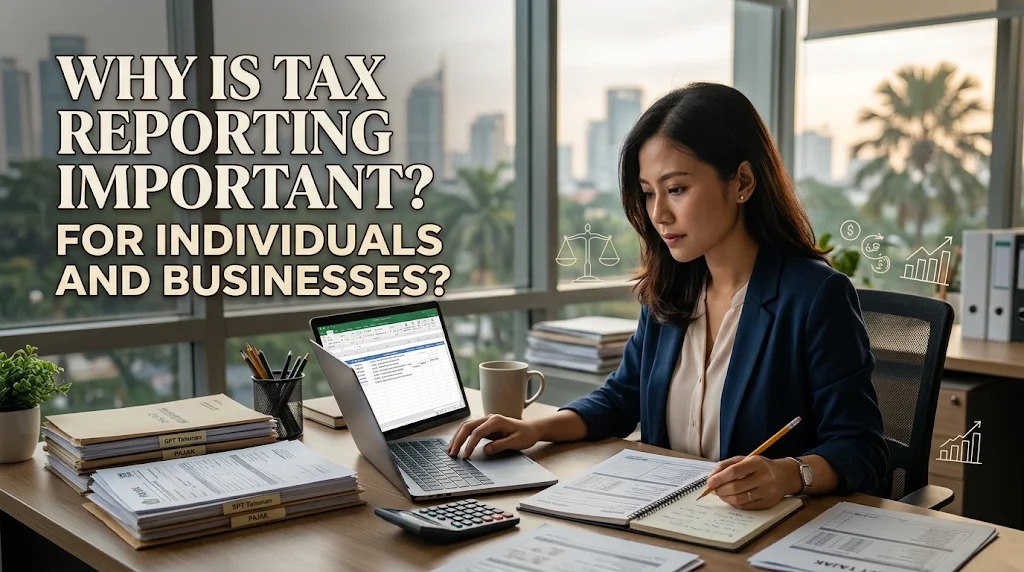
Tax reporting is an essential part of financial administration for individuals and businesses. Through this process, taxpayers provide information about their income, expenses, assets, and tax payments to the relevant authorities. The information helps tax authorities evaluate whether tax obligations have been fulfilled and maintain an organized taxation system. Although the reporting process may involve several administrative steps, it plays an important role in supporting financial transparency and regulatory compliance.
Tax reporting is not merely a legal responsibility. It also helps individuals understand their financial situation and encourages businesses to maintain accurate accounting records. In Indonesia, annual tax reporting is part of a self-assessment system in which taxpayers are responsible for calculating, paying, and reporting their tax obligations according to applicable regulations.
ENSURING COMPLIANCE WITH TAX REGULATIONS
One of the main reasons tax reporting is important is that it helps individuals and businesses fulfill their legal obligations. Tax regulations require eligible taxpayers to submit accurate information about their financial activities within the applicable reporting period. By completing the required reports, taxpayers demonstrate that they are participating in the tax system and meeting their administrative responsibilities.
For individuals, annual tax reporting generally involves declaring income from employment, business activities, investments, or other relevant sources. Businesses may need to report revenue, operating expenses, taxable income, and other financial information. The specific requirements depend on the taxpayer category and the regulations that apply to their activities.
Submitting accurate tax reports also helps reduce the risk of administrative problems. Incomplete information, incorrect calculations, or missed deadlines may require further clarification or correction. Taxpayers should therefore maintain proper documentation and review their reports before submission. Consistent tax compliance helps individuals and organizations manage their obligations while reducing the possibility of avoidable reporting errors.
PROMOTING FINANCIAL TRANSPARENCY AND RESPONSIBLE MANAGEMENT
Tax reporting encourages individuals to understand their financial activities more clearly. Preparing an annual tax return requires taxpayers to review their income, expenses, assets, liabilities, and tax payments. This process can provide a clearer picture of their financial position and help them identify information that may need further attention.
For businesses, financial transparency is particularly important because companies often manage multiple transactions, employees, operational expenses, and sources of revenue. Organized tax reporting encourages businesses to maintain accounting records and document their financial activities. These records can support internal evaluations and help management make more informed financial decisions.
Proper documentation also makes it easier to explain financial transactions when clarification is required. Inaccurate records or incomplete supporting documents may create difficulties when taxpayers need to verify reported information. Transparent financial records and organized bookkeeping therefore contribute to better financial management for both individuals and businesses.
SUPPORTING GOVERNMENT REVENUE AND PUBLIC SERVICES
Tax revenue is an important source of funding for government activities. Governments use collected taxes to finance public services and development programs, including education, healthcare, transportation, infrastructure, and other facilities that support society. Without sufficient public revenue, maintaining and improving these services would become more challenging.
Tax reporting supports the administration of government revenue by providing information about taxpayers' financial activities and tax obligations. Accurate reporting helps tax authorities identify discrepancies, monitor compliance, and administer the collection process. It also provides information that can support financial planning and the development of tax policies.
When individuals and businesses fulfill their tax responsibilities, they participate in financing public needs. However, tax reporting and tax payment are not exactly the same activity. A taxpayer may submit an annual report showing that all relevant tax obligations have already been paid or withheld. The report still serves as an important record of the taxpayer's financial position and tax calculation. Responsible tax reporting contributes to a more organized revenue system and supports the funding of public services.
HELPING BUSINESSES MAINTAIN CREDIBILITY AND FINANCIAL ACCOUNTABILITY
For businesses, tax reporting is closely connected to financial accountability. Companies that maintain accurate tax records demonstrate that their financial activities are documented and managed according to applicable requirements. This practice can support better internal controls and help business owners understand their financial responsibilities.
Organized tax documentation may also be useful when companies need to provide financial information for administrative or business purposes. For example, lenders, business partners, or other institutions may request certain financial documents when evaluating a business relationship. Tax reports are not a guarantee of approval, but accurate records can contribute to a more complete picture of a company's financial administration.
In addition, consistent reporting encourages companies to establish procedures for recording transactions, reviewing financial statements, and checking tax calculations. These practices can help identify discrepancies before they become larger administrative problems. Financial accountability and reliable tax documentation are important elements of responsible business management.
PREVENTING REPORTING ERRORS AND STRENGTHENING THE TAX SYSTEM
Accurate tax reporting helps reduce problems caused by incomplete or incorrect financial information. Errors may occur when taxpayers overlook certain income sources, miscalculate tax obligations, fail to maintain supporting documents, or misunderstand reporting instructions. These issues can affect the accuracy of tax records and may require additional administrative procedures.
Individuals and businesses can reduce these risks by maintaining organized financial documentation throughout the year. They should record relevant transactions, review income statements, keep payment evidence, and check the information entered into official tax platforms. When reporting requirements are unclear, taxpayers can consult official guidance or seek assistance from qualified professionals.
At the broader level, accurate reporting supports the effectiveness of tax administration. Tax authorities can use submitted information to identify non-compliance patterns and improve administrative processes. Digital reporting systems can also make information management more efficient, although their effectiveness depends on data accuracy and appropriate security practices. Accurate reporting, reliable documentation, and responsible use of digital services help strengthen the overall tax system.
CONCLUSION
Tax reporting is important for individuals and businesses because it supports legal compliance, financial transparency, responsible management, and government revenue administration. For individuals, the process provides an opportunity to review income and financial information. For businesses, it encourages organized accounting, stronger financial accountability, and better documentation of company activities.
Beyond fulfilling administrative obligations, accurate tax reporting contributes to a more organized and transparent taxation system. Individuals and businesses should maintain complete records, understand the applicable requirements, and submit their reports according to the established procedures. Responsible tax reporting helps taxpayers manage their financial obligations while supporting the funding of public services and national development.
Recent Posts

How Does Technology Make Daily Evaluation... 21.11.2026/58 View

Apa Strategi Menghadapi Kesenjangan antara Kompetensi... 21.11.2026/60 View

Mengapa Inventaris Aset Penting bagi Kelancaran... 21.11.2026/56 View

When Should Musicians Join a Record... 21.11.2026/55 View

Daily Evaluation or Daily Planning Which... 21.11.2026/63 View
