

Why Is the Dapodik System Essential for Teachers and School Administrators?
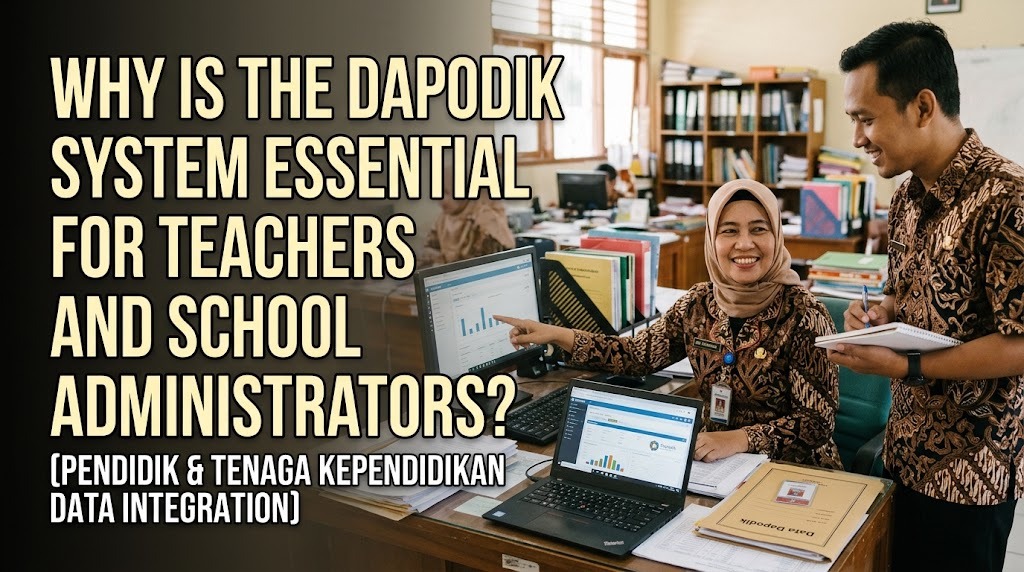
Educational institutions need accurate information to manage daily activities, support teachers, and improve school services. In Indonesia, the Data Pokok Pendidikan (Dapodik) system plays an important role in organizing information about schools, students, teachers, education personnel, and facilities. This national education data system helps schools maintain administrative records and provides information that supports government planning. For teachers and school administrators, accurate Dapodik data can simplify certain administrative processes and help ensure that official records reflect actual school conditions. Understanding its importance encourages schools to maintain reliable information and follow established reporting procedures.
UNDERSTANDING THE ROLE OF DAPODIK IN EDUCATION
Dapodik is Indonesia’s national education data collection system managed by the Ministry of Primary and Secondary Education. It gathers structured information from educational institutions and supports education planning, administration, and policy development. Schools update their records through authorized operators using the official application and procedures. The system covers essential information, including student enrollment, teacher records, school identity, learning groups, and educational facilities. Because this information contributes to broader education management, schools must ensure that their records remain accurate and up to date.
WHY DAPODIK MATTERS TO TEACHERS
Dapodik is important to teachers because their professional information may be used in various education administration processes. Records concerning qualifications, employment status, teaching assignments, and other relevant details may need to be accurate for official verification. Incorrect or outdated information can create additional administrative work and may delay certain processes that depend on valid records. Teachers should therefore review their information and report discrepancies to the responsible school operator or administrator. Although Dapodik supports administrative verification, it does not independently guarantee employment benefits, certification, or eligibility for particular programs.
SUPPORTING TEACHER CERTIFICATION AND PROFESSIONAL BENEFITS
Accurate teacher data can support administrative processes associated with professional certification, teaching assignments, and certain teacher benefits. Relevant authorities may use Dapodik information alongside other official records and applicable requirements to verify a teacher’s circumstances. For example, teaching assignments and employment information may need to match the requirements of a particular program. Teachers should confirm that their records are complete and raise any errors through the appropriate school or education office procedures. Final eligibility and benefit decisions depend on the relevant regulations and verification processes, not simply on the presence of a teacher’s data in Dapodik.
IMPROVING SCHOOL ADMINISTRATION
For school administrators, Dapodik provides a structured way to maintain important institutional records. Instead of relying entirely on separate spreadsheets or scattered documents, schools can manage information about students, teachers, learning groups, and facilities through an established reporting system. Accurate records help administrators review school conditions, identify missing information, and coordinate updates with the relevant personnel. This process can reduce inconsistencies between different administrative records when it is managed carefully. As a result, school leaders can use more reliable information when organizing school operations and preparing reports.
SUPPORTING EDUCATIONAL PLANNING AND DECISION-MAKING
Dapodik data helps education authorities understand the needs of schools in different locations. Information about student numbers, teacher distribution, and school infrastructure can contribute to planning decisions and the identification of resource gaps. School administrators can also use their own records to understand enrollment trends, staffing needs, and facility conditions. Reliable information makes planning more evidence-based because decisions can reflect recorded school circumstances rather than assumptions alone. However, data should be reviewed alongside other relevant information before major decisions are made.
HELPING SCHOOLS ACCESS EDUCATION PROGRAMS
Certain government education programs use Dapodik data as part of their administrative processes. Accurate information may support planning and verification related to school operational assistance, infrastructure support, and teacher-related programs. Administrators need to ensure that institutional records and other required information are submitted correctly and within the applicable schedule. Errors or missing data may require correction before a program’s requirements can be assessed. Nevertheless, entering information into Dapodik does not automatically qualify a school or teacher for assistance because each program has its own eligibility criteria.
STRENGTHENING COORDINATION BETWEEN TEACHERS AND ADMINISTRATORS
Effective Dapodik management requires cooperation between teachers, school operators, and school leaders. Teachers are often responsible for providing or confirming information about their qualifications, teaching assignments, and other professional details. Operators enter and manage the information in the application, while administrators help oversee the process and resolve issues that require institutional decisions. Regular communication makes it easier to identify errors before records are submitted or synchronized. This teamwork also helps ensure that changes are reported promptly and supported by the necessary documents.
COMMON DAPODIK CHALLENGES IN SCHOOLS
Schools may face difficulties such as incomplete documents, incorrect personal details, inconsistent teaching assignments, and synchronization errors. Limited technical knowledge or unreliable internet access can also make updates more challenging. These issues may affect the accuracy of administrative records and require additional time to resolve. Schools can reduce such problems by checking information regularly, keeping supporting documents organized, and ensuring that responsible operators receive appropriate training. When technical or administrative problems remain unresolved, schools should seek guidance from the relevant education office or official support channels.
MAINTAINING ACCURATE AND SECURE EDUCATION DATA
Accuracy and security are essential when managing information about teachers, students, and school facilities. Teachers should report changes in their information promptly, while operators should verify entries against appropriate supporting documents. Access to the application should be limited to authorized personnel, and login credentials should be protected from unauthorized use. Schools must also handle personal information responsibly and follow applicable data protection requirements. These practices help maintain reliable records while protecting the privacy of the people represented in the system.
CONCLUSION
The Dapodik system is essential for teachers and school administrators because it supports accurate education records, administrative verification, school planning, and coordination with education authorities. Teachers benefit when their professional information is complete and current, while administrators can use reliable records to manage institutional needs more effectively. Dapodik also contributes to the administration of relevant education programs, although specific benefits depend on separate requirements and verification procedures. By maintaining accurate information, communicating effectively, and protecting personal data, schools can use Dapodik to support more organized and accountable education management.
Recent Posts

Bagaimana Sistem SKS pada Program Kuliah... 22.11.2026/50 View

How Does Technology Make Daily Evaluation... 21.11.2026/79 View

Apa Strategi Menghadapi Kesenjangan antara Kompetensi... 21.11.2026/79 View

Mengapa Inventaris Aset Penting bagi Kelancaran... 21.11.2026/75 View

When Should Musicians Join a Record... 21.11.2026/80 View
