

Why Is the Designer Profession Increasingly Important in the Digital Era?
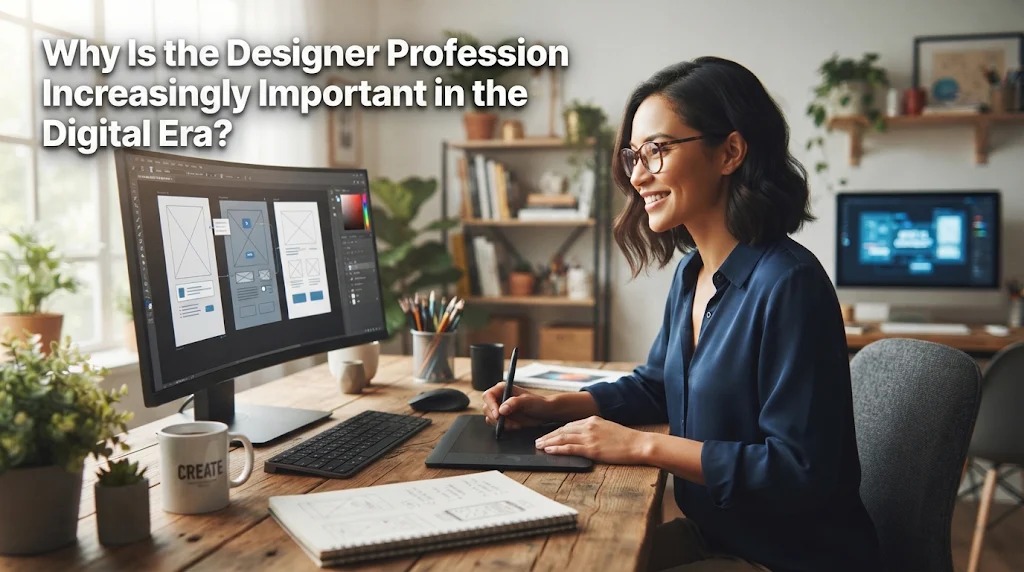
The designer profession is becoming increasingly important in the digital era because businesses, organizations, and individuals rely on visual communication to share information, promote products, and connect with audiences. As technology continues to develop, design is no longer limited to creating attractive images or illustrations. Designers also help improve user experiences, strengthen brand identities, and make digital information easier to understand.
The growth of websites, mobile applications, social media, and digital marketing has created more opportunities for professional designers. Their ability to combine creativity, technology, and problem-solving skills makes them valuable in many industries. Understanding why designers are increasingly needed can help people recognize the importance of this profession and its career opportunities.
THE GROWTH OF DIGITAL TECHNOLOGY INCREASES THE NEED FOR DESIGNERS
Digital technology has changed how people communicate, work, shop, and access information. Businesses now use websites, mobile applications, social media platforms, and digital advertisements to reach customers. These platforms require attractive and functional visual designs to capture attention and deliver messages effectively. As a result, designers play an important role in creating digital content that meets the needs of different audiences.
The increasing use of technology also creates new design requirements. Companies need professionals who can create website layouts, application interfaces, promotional materials, illustrations, and other digital assets. Designers must understand how people interact with digital platforms so they can develop designs that are visually appealing and easy to use. This growing demand makes the designer profession increasingly relevant in the modern digital economy.
DESIGNERS HELP BUSINESSES BUILD STRONG BRAND IDENTITIES
A strong brand identity helps businesses become recognizable and different from their competitors. Designers contribute to this process by creating visual elements such as logos, color combinations, typography, packaging, and promotional materials. These elements communicate a company's personality, values, and products to potential customers. Consistent visual design can also make a brand appear more professional and trustworthy.
In the digital era, brand identity must remain consistent across different platforms. A business may use its visual identity on websites, social media accounts, online advertisements, and digital catalogs. Designers ensure that these elements work together and create a recognizable appearance. Their work helps businesses build stronger relationships with customers and maintain a professional image in competitive markets.
VISUAL COMMUNICATION MAKES INFORMATION EASIER TO UNDERSTAND
People receive large amounts of information through digital platforms every day. However, not everyone can easily understand complex information when it is presented only through long paragraphs or technical explanations. Designers help solve this problem by transforming information into visual content that is more attractive and easier to understand. They use illustrations, icons, infographics, layouts, and typography to organize messages effectively.
Good visual communication is important in education, business, healthcare, entertainment, and many other fields. For example, educational institutions use visual materials to explain lessons, while companies use infographics to introduce products and services. Designers must understand the purpose of the information and the characteristics of the intended audience. By combining creativity with clear communication, they help people understand important messages more quickly.
DIGITAL MARKETING CREATES MORE CAREER OPPORTUNITIES FOR DESIGNERS
Digital marketing has become an important strategy for businesses that want to reach customers through the internet. Companies regularly publish social media content, online advertisements, banners, product images, and promotional videos. These materials require attractive designs that can capture attention and encourage audiences to interact with a brand. This situation creates increasing demand for designers who understand digital marketing needs.
Designers can work in different industries, including advertising agencies, technology companies, media organizations, educational institutions, and online businesses. They can also choose to become freelancers and offer design services to clients from different locations. The availability of digital communication tools allows designers to collaborate remotely and manage projects more flexibly. These opportunities make design an attractive career option for people who have creativity, technical knowledge, and the ability to adapt to changing market demands.
DESIGNERS MUST ADAPT TO TECHNOLOGICAL DEVELOPMENTS AND USER NEEDS
Although the designer profession offers many opportunities, professionals must continue developing their abilities to remain competitive. Design software, digital platforms, artificial intelligence, and creative technologies continue to change how design work is completed. Designers need to understand relevant tools and learn how to use them effectively. However, technical skills alone are not enough because creativity, critical thinking, and problem-solving remain essential parts of professional design work.
Understanding user needs is also important, especially for designers who work on websites and mobile applications. They must consider how users navigate a platform, find information, and complete specific activities. Knowledge of user experience and user interface design can help professionals create digital products that are both attractive and convenient. By continuously learning and following industry developments, designers can produce relevant work and maintain their value in the digital era.
CONCLUSION
The designer profession is increasingly important in the digital era because technology has created a greater need for effective visual communication, strong brand identities, and engaging digital content. Designers help businesses communicate with customers, make information easier to understand, and improve the appearance and usability of digital platforms. The development of digital marketing and remote working has also created wider career opportunities in different industries. To remain competitive, designers must continuously improve their creativity, technical abilities, and understanding of user needs. With the right skills and willingness to adapt, the designer profession offers promising opportunities as digital technology continues to grow.
Recent Posts

How Does Technology Make Daily Evaluation... 21.11.2026/58 View

Apa Strategi Menghadapi Kesenjangan antara Kompetensi... 21.11.2026/60 View

Mengapa Inventaris Aset Penting bagi Kelancaran... 21.11.2026/56 View

When Should Musicians Join a Record... 21.11.2026/55 View

Daily Evaluation or Daily Planning Which... 21.11.2026/63 View
