

Why Is the Student Senate Important for Promoting Democracy on Campus?
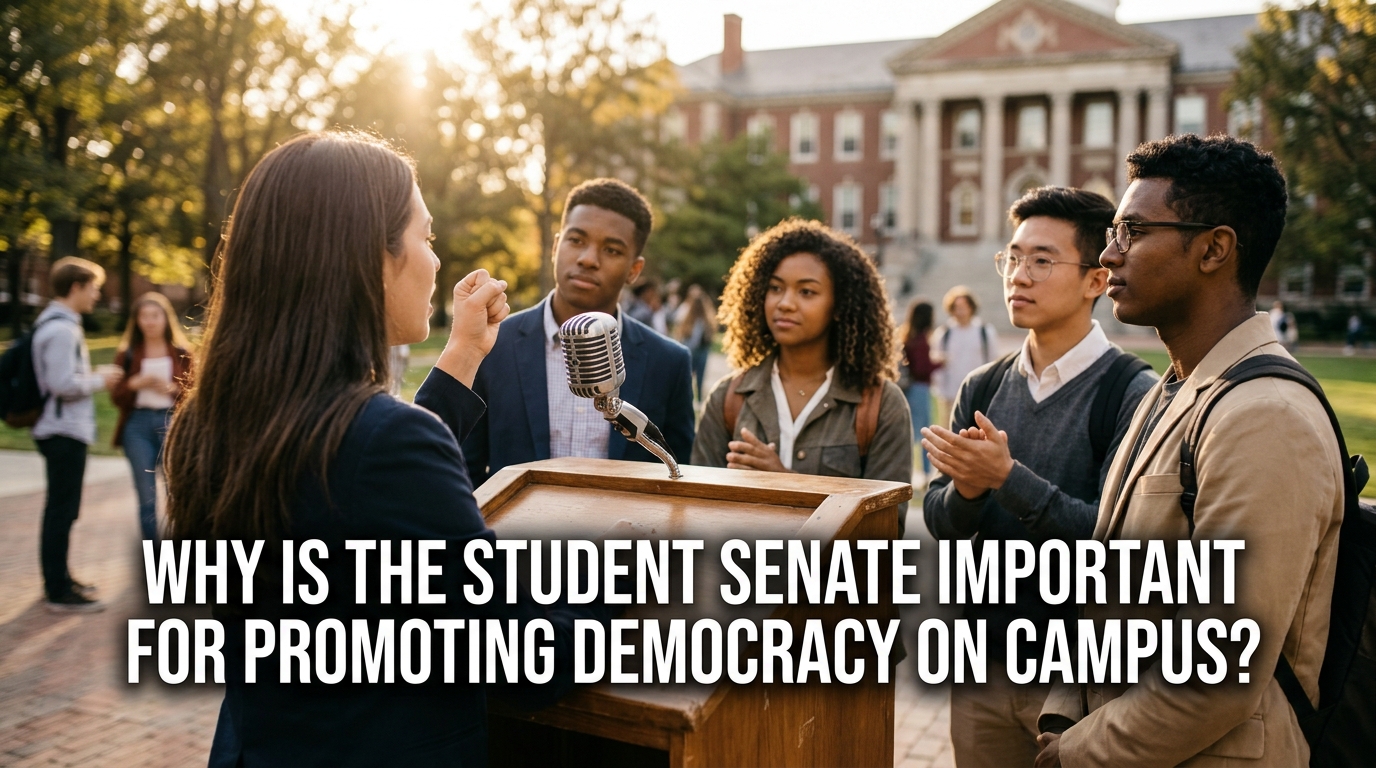
Democracy is an important principle in higher education because it gives students opportunities to express opinions, participate in discussions, and contribute to decisions that affect their academic environment. One organization that supports these values is the Student Senate. As a student representative body, it provides a formal platform for students to communicate their interests, share concerns, and participate in campus activities.
The importance of the Student Senate goes beyond representing student opinions. It also encourages democratic participation, transparency, accountability, and equal representation within the university community. Through various activities, students can learn how democracy works in practice while developing valuable leadership and communication skills. Therefore, the Student Senate plays an important role in building a more open, inclusive, and responsible campus environment.
UNDERSTANDING THE ROLE OF THE STUDENT SENATE IN CAMPUS DEMOCRACY
The Student Senate is an organization that represents student interests and provides opportunities for students to participate in university discussions. Its members are generally elected or selected to represent students from different faculties, departments, or academic programs. Through this structure, students have representatives who can communicate their aspirations to university management. The organization also provides a space for discussing issues related to academic policies, student welfare, and campus facilities. This makes the Student Senate an important part of democratic life in higher education.
Campus democracy means that students have opportunities to express their opinions and participate in decisions that affect their university experience. The Student Senate helps make this possible by encouraging open discussions and representing different perspectives. Although its authority varies depending on university regulations, it can provide recommendations and participate in consultation processes. Student representation ensures that campus decisions can consider the needs of the wider student community. As a result, the university can develop a more participatory academic environment.
PROVIDING EQUAL OPPORTUNITIES FOR STUDENT REPRESENTATION
One of the main reasons the Student Senate is important for campus democracy is its ability to provide opportunities for student representation. Every student may have different experiences, concerns, and expectations regarding university life. Through representatives, these different perspectives can be collected and communicated to the appropriate university authorities. This process helps prevent decision-making from being dominated by only a small group of students. It also encourages a more inclusive campus environment.
Fair representation requires the Student Senate to listen to students from different backgrounds, faculties, and academic programs. Representatives should not focus only on the interests of their personal groups but also consider the needs of the wider campus community. They can collect opinions through surveys, open discussions, and student meetings. Equal representation helps ensure that different voices receive attention and consideration. This principle is essential for creating a democratic organization that students can trust.
ENCOURAGING STUDENTS TO EXPRESS THEIR OPINIONS
Democracy cannot function properly without freedom of expression and opportunities for public discussion. The Student Senate provides a platform where students can share ideas, criticism, and suggestions about university policies and services. Students can communicate their concerns through formal meetings, discussion forums, or representatives. These activities help create a campus culture where different opinions can be expressed respectfully. They also encourage students to become more confident in communicating their ideas.
Furthermore, open communication helps students understand that expressing opinions comes with responsibility. Students should present arguments based on relevant information and respect perspectives that differ from their own. The Student Senate can encourage constructive discussions rather than allowing disagreements to develop into personal conflicts. Freedom of expression and respectful communication are important foundations of campus democracy. By supporting these values, the organization helps create a healthier academic atmosphere.
PROMOTING TRANSPARENT AND ACCOUNTABLE LEADERSHIP
Transparency is an essential element of democracy because students need access to information about organizational activities and decisions. The Student Senate should communicate its programs, meeting results, and important decisions clearly to the students it represents. Providing regular reports helps students understand how their representatives perform their responsibilities. It also allows the campus community to evaluate whether organizational activities reflect student interests. This openness can strengthen trust between representatives and students.
Accountability is equally important because every representative must take responsibility for their actions and decisions. Student Senate members should be prepared to explain their work, manage organizational resources responsibly, and respond to student feedback. If problems occur, they should communicate the situation honestly and work toward appropriate solutions. Transparent leadership helps prevent misunderstandings and encourages responsible organizational management. These practices demonstrate how democratic values can be applied in everyday campus activities.
SUPPORTING DEMOCRATIC ELECTIONS AND STUDENT PARTICIPATION
Student elections are one of the ways the Student Senate can promote democracy on campus. Through elections, students have opportunities to choose representatives who they believe can communicate their interests effectively. A fair election process should provide equal opportunities for candidates, clear voting procedures, and accurate information about each candidate. Students can also learn about the importance of evaluating leadership qualities before making their choices. This experience introduces them to democratic principles in a practical way.
However, democracy should not end after an election is completed. Students should remain involved by monitoring organizational performance, attending discussions, and providing feedback to their representatives. The Student Senate can encourage participation by organizing public forums and creating accessible communication channels. Active student participation helps ensure that democratic processes continue throughout the academic year. It also strengthens the relationship between elected representatives and the students they serve.
DEVELOPING CRITICAL THINKING AND DEMOCRATIC VALUES
The Student Senate provides opportunities for students to develop critical thinking through discussions about campus issues. Members and participating students learn to examine problems, evaluate information, and consider different solutions before reaching conclusions. These activities help students understand that responsible decisions require more than personal opinions. They must also consider evidence, consequences, and the interests of others. Such experiences are valuable for developing independent and logical thinking.
In addition, students can learn important democratic values such as tolerance, equality, cooperation, and mutual respect. Different opinions are a natural part of a diverse university community. Through discussions and organizational activities, students learn how to manage disagreements without ignoring the rights of others. Critical thinking and mutual respect help create a democratic culture that supports constructive cooperation. These values can also prepare students to participate responsibly in society after graduation.
BUILDING COOPERATION BETWEEN STUDENTS AND UNIVERSITY MANAGEMENT
A democratic campus requires effective communication between students and university management. The Student Senate can act as a bridge by delivering student concerns and communicating institutional information. This relationship allows both parties to discuss campus problems and identify possible solutions together. For example, students may raise concerns about academic services, learning facilities, or student welfare programs. The organization can help bring these issues into formal discussions with the relevant university departments.
Cooperation also helps universities understand how their policies affect students in practice. Student representatives can provide feedback based on real experiences from the campus community. Meanwhile, university management can explain institutional policies, limitations, and available solutions. Two-way communication creates opportunities for dialogue instead of one-sided decision-making. This approach supports a more democratic and collaborative higher education environment.
PREPARING STUDENTS TO BECOME RESPONSIBLE FUTURE LEADERS
Participation in the Student Senate gives students practical experience in leadership and organizational management. Members learn how to organize meetings, communicate proposals, manage responsibilities, and work with different groups. They also gain experience in negotiation, public speaking, and conflict resolution. These abilities can improve their confidence when facing challenges in academic and professional environments. Therefore, involvement in the Student Senate can become an important part of personal development.
More importantly, students learn that leadership is not only about having authority but also about serving others and respecting different opinions. They must consider the consequences of their decisions and remain accountable to the people they represent. These experiences help develop a sense of responsibility and social awareness. Democratic leadership encourages future leaders to make fair decisions and prioritize collective interests. Such qualities are valuable in professional organizations and wider society.
CHALLENGES IN IMPLEMENTING DEMOCRACY THROUGH THE STUDENT SENATE
Although the Student Senate has an important role in promoting democracy, implementing democratic principles on campus is not always easy. One common challenge is the lack of student participation in organizational activities and elections. Some students may feel that their opinions will not influence university decisions. Others may have limited information about the responsibilities and functions of the Student Senate. These conditions can reduce the effectiveness of student representation.
Another challenge is maintaining independence, transparency, and fairness when handling different interests. Representatives must avoid prioritizing personal relationships or particular groups over the wider student community. The organization also needs clear regulations and consistent communication to maintain public trust. Improving student engagement requires continuous efforts from representatives and university management. By addressing these challenges, the Student Senate can strengthen its contribution to campus democracy.
CONCLUSION
The Student Senate is important for promoting democracy on campus because it provides a platform for student representation, freedom of expression, transparent leadership, and active participation. Through its activities, students can communicate their interests, participate in discussions, and contribute to improving the university environment. The organization also helps strengthen cooperation between students and university management.
Beyond its organizational responsibilities, the Student Senate teaches students valuable democratic principles such as equality, accountability, tolerance, and mutual respect. These experiences help prepare students to become responsible leaders who can contribute positively to society. A strong and democratic Student Senate can therefore support a more inclusive, transparent, and participatory higher education environment.
Recent Posts

Bagaimana Sistem SKS pada Program Kuliah... 22.11.2026/35 View

How Does Technology Make Daily Evaluation... 21.11.2026/69 View

Apa Strategi Menghadapi Kesenjangan antara Kompetensi... 21.11.2026/69 View

Mengapa Inventaris Aset Penting bagi Kelancaran... 21.11.2026/67 View

When Should Musicians Join a Record... 21.11.2026/68 View
