

Why Is the Student Senate Important for Promoting Transparency in Campus Governance?
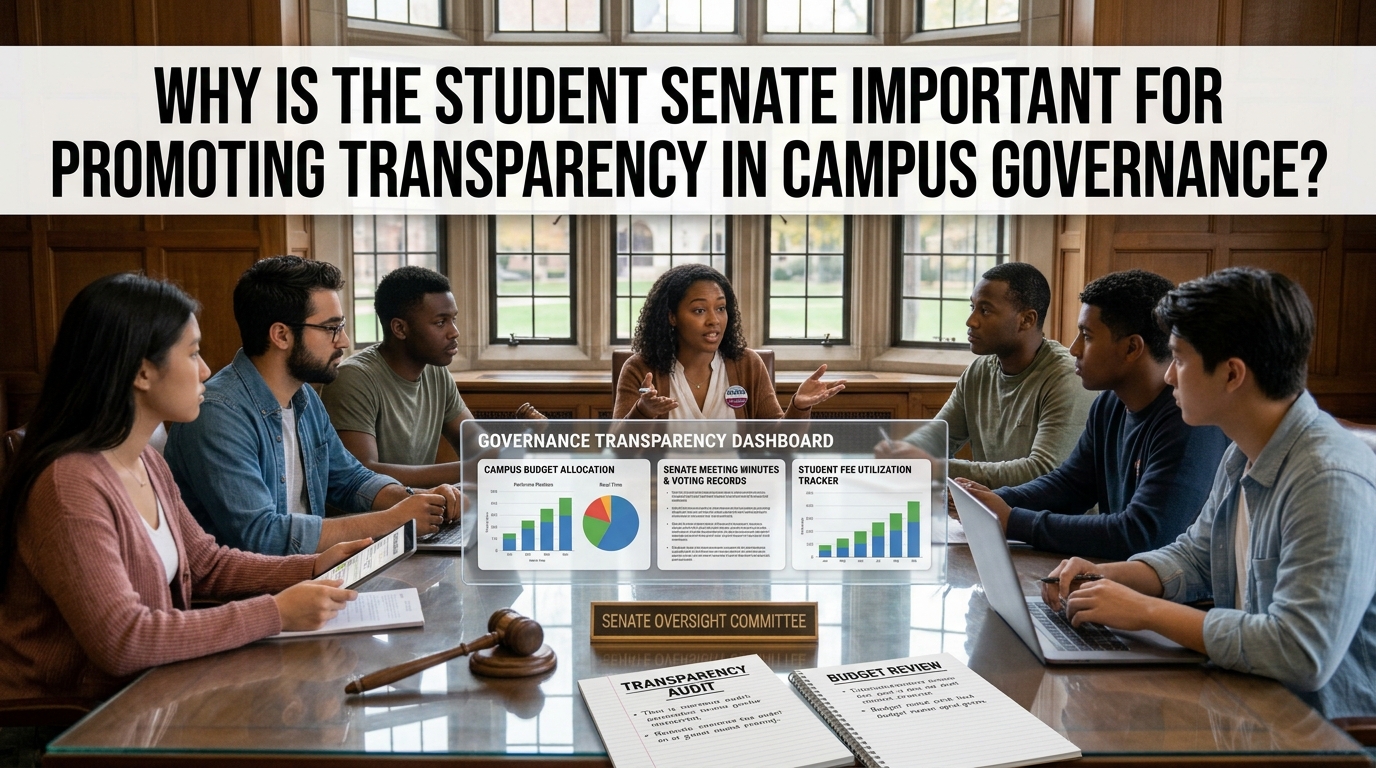
Transparency is an important principle in creating responsible and trustworthy campus governance. Students need access to relevant information about university policies, organizational decisions, campus programs, and the use of student activity funds. Without clear communication, misunderstandings and a lack of trust can develop between students and university management. The Student Senate plays an important role in promoting transparency by representing student interests, monitoring campus policies, and encouraging open communication. Through its activities, the senate can help build a campus environment where decisions are more accountable and student voices are respected.
REPRESENTING STUDENT VOICES IN CAMPUS DECISION-MAKING
One of the main responsibilities of the Student Senate is to represent students in discussions about campus policies and decisions. As a student representative body, the senate can collect opinions, suggestions, and concerns from different faculties and student communities. These opinions can be communicated to university leaders through meetings, formal discussions, or other official channels. This process helps ensure that student perspectives are considered when decisions affect campus life. Student representation makes campus governance more inclusive and responsive.
The senate can also explain important policy discussions to students in language that is easy to understand. For example, changes to academic regulations, student facilities, or campus activities may affect many students. By sharing relevant information, the senate helps students understand the reasons behind certain decisions. It can also provide opportunities for students to ask questions and express their concerns. Open representation and communication help reduce information gaps between students and university management.
MONITORING CAMPUS POLICIES AND REGULATIONS
The Student Senate can promote transparency by monitoring the implementation of campus policies and regulations within its official authority. This includes reviewing whether university decisions are communicated clearly and whether their implementation follows established procedures. The senate can also collect student feedback about policies that create difficulties or raise concerns. When problems are identified, representatives can communicate them to the appropriate university departments. Policy monitoring helps encourage consistent and responsible campus governance.
Monitoring should be conducted objectively and based on reliable information. The Student Senate needs to understand the relevant regulations before evaluating how they are implemented. It should also distinguish between confirmed facts, student complaints, and personal opinions. If an issue requires formal investigation, the senate should refer it to the authorized university body rather than make unsupported conclusions. Fair and evidence-based monitoring helps maintain trust and prevents misunderstandings.
ENCOURAGING TRANSPARENT FINANCIAL MANAGEMENT
Financial transparency is an important part of responsible campus governance, especially when funds are allocated for student activities and organizational programs. The Student Senate can encourage student organizations to prepare clear budgets and financial reports. These reports should explain where funding comes from, how it is used, and whether expenses match approved plans. Proper documentation also helps organizations demonstrate that financial resources are managed responsibly. Financial accountability protects organizational resources and strengthens trust among students.
The senate may also review financial information related to student programs when this responsibility is included in its authority. However, access to university financial records must follow institutional policies and applicable confidentiality requirements. The senate should work with the appropriate departments to clarify financial information that students are entitled to understand. Clear reporting can help prevent confusion about budgets and spending decisions. Responsible financial disclosure supports a more open and accountable campus environment.
PROVIDING ACCESS TO IMPORTANT CAMPUS INFORMATION
Students need reliable information to understand how their university is managed. The Student Senate can help distribute information about campus regulations, organizational activities, student rights, and important policy updates. Information can be shared through official websites, social media accounts, discussion forums, newsletters, or student meetings. Using accessible communication channels makes it easier for students to stay informed. Access to information is an essential foundation of transparent governance.
The senate should ensure that information is accurate, relevant, and presented in clear language. It should avoid spreading unverified announcements or sharing private information without permission. When policies change, the senate can help explain what has changed and where students can find official details. It can also direct students to the appropriate university office when they need further clarification. Clear and reliable communication helps students make informed decisions and understand campus developments.
BUILDING ACCOUNTABILITY AMONG STUDENT ORGANIZATIONS
Transparency is not only the responsibility of university management but also an important principle for student organizations. The Student Senate can encourage organizations to report their activities, achievements, budgets, and challenges regularly. These reports help members understand how their organizations operate and whether planned programs have been completed. They also provide a basis for evaluating organizational performance. Organizational accountability encourages responsible leadership and better management.
The senate can support this process by providing reporting guidelines and recommendations for improvement. For example, organizations may be encouraged to publish activity summaries and financial reports that are accessible to their members. If reports are incomplete, the senate can request clarification through appropriate procedures. The goal should be to improve organizational practices rather than create unnecessary administrative pressure. Transparent reporting helps build a culture of responsibility throughout the campus community.
CREATING OPEN COMMUNICATION BETWEEN STUDENTS AND UNIVERSITY MANAGEMENT
Good campus governance requires effective communication between students and university leaders. The Student Senate can serve as a bridge by organizing public discussions, consultation sessions, and meetings with relevant university representatives. These activities allow students to ask questions and receive explanations about policies or campus issues. They also give university management an opportunity to understand student expectations. Two-way communication makes discussions more constructive and helps prevent misunderstandings.
The senate should make sure that student concerns are communicated clearly and followed up when possible. It can provide updates about the progress of discussions without promising outcomes that are beyond its authority. When a problem cannot be resolved immediately, students should receive an honest explanation about the situation. This approach demonstrates respect for student participation. Consistent communication strengthens relationships and encourages greater trust between students and university management.
PREVENTING MISUSE OF AUTHORITY AND CONFLICTS OF INTEREST
Transparency can help reduce the risk of decisions being influenced by personal interests or misuse of authority. The Student Senate can encourage decision-making processes that follow clear rules and provide reasonable explanations. It can also promote discussions about ethical leadership, organizational responsibilities, and potential conflicts of interest. These efforts remind student representatives and organizational leaders that their positions come with responsibilities. Ethical governance is essential for maintaining fairness in campus activities.
When concerns about misconduct arise, the senate should handle them carefully and follow established university procedures. Reports should be based on credible information, and the people involved should have an opportunity to respond fairly. The senate must also respect privacy and avoid making public accusations without sufficient evidence. Serious violations should be referred to the appropriate authorities for further handling. Fair procedures and accountability help protect the rights of everyone involved.
STRENGTHENING STUDENT PARTICIPATION AND CAMPUS DEMOCRACY
Transparent governance becomes more effective when students actively participate in campus activities and decision-making processes. The Student Senate can encourage participation through student elections, public consultations, open forums, and policy discussions. These activities give students opportunities to express their opinions and understand how campus decisions are made. They also help students learn about democratic values such as fairness, representation, and responsibility. Active student participation makes campus governance more inclusive.
The senate can also provide educational programs about student rights, university regulations, and the responsibilities of student representatives. When students understand these matters, they can participate more confidently and evaluate campus policies more critically. Participation should be open to students from different faculties and backgrounds, not limited to a small group. This creates opportunities for diverse perspectives to be considered. Campus democracy becomes stronger when students have access to information and meaningful opportunities to contribute.
CONCLUSION
The Student Senate is important for promoting transparency in campus governance because it represents student voices, monitors policies, encourages financial accountability, and supports open communication. It can also strengthen responsibility within student organizations and encourage ethical decision-making. However, transparency requires cooperation between student representatives, university management, and the wider campus community. Accurate information, fair procedures, accountability, and active participation are essential to building trust. When these principles are applied consistently, campus governance can become more open, inclusive, and responsive to student needs.
Recent Posts

Bagaimana Sistem SKS pada Program Kuliah... 22.11.2026/35 View

How Does Technology Make Daily Evaluation... 21.11.2026/69 View

Apa Strategi Menghadapi Kesenjangan antara Kompetensi... 21.11.2026/69 View

Mengapa Inventaris Aset Penting bagi Kelancaran... 21.11.2026/67 View

When Should Musicians Join a Record... 21.11.2026/68 View
