

Why Is Traditional Clothing Important for Preserving Cultural Identity?
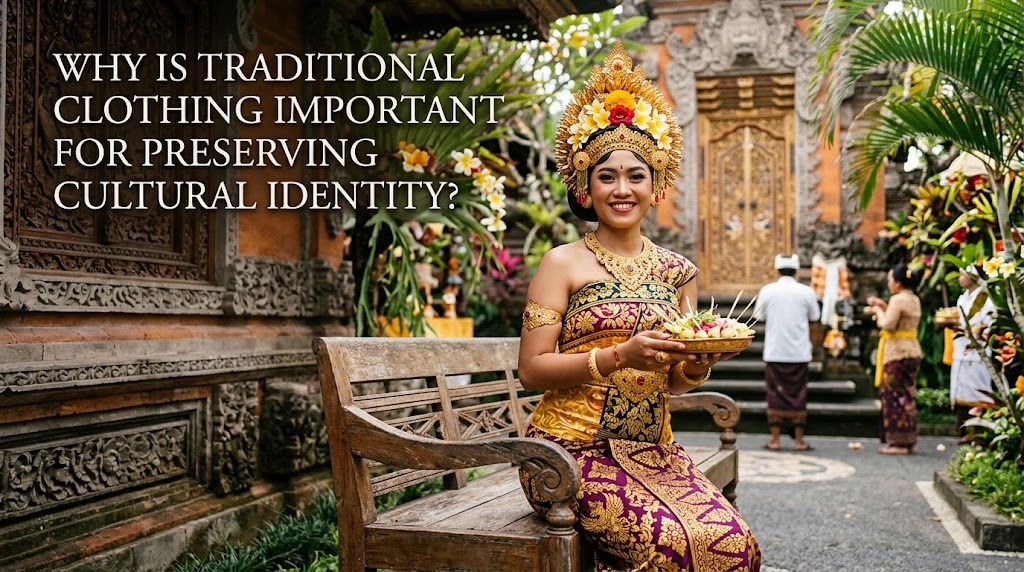
Traditional clothing is an important part of cultural identity because it reflects a community’s history, values, and traditions. In Indonesia, each region has distinctive clothing styles, fabrics, colors, and patterns that represent its cultural heritage. Examples include kebaya, ulos, and traditional Dayak clothing, each associated with different cultural contexts and customs. These garments are often worn during ceremonies, weddings, festivals, and other important occasions. By preserving traditional clothing, communities can maintain their cultural identity and pass their heritage on to future generations.
REFLECTING REGIONAL CULTURAL IDENTITY
Traditional clothing helps people recognize the cultural characteristics of different regions. Its colors, patterns, materials, and designs often reflect local customs and artistic traditions. For example, ulos is closely associated with Batak communities in North Sumatra and has important roles in various traditional ceremonies. Meanwhile, traditional Balinese clothing is commonly worn during religious and cultural events. These differences demonstrate Indonesia’s cultural diversity and help communities express their unique identities.
PRESERVING HISTORY AND CULTURAL VALUES
Traditional clothing can carry historical meanings that connect present generations with their ancestors. Some garments reflect the development of local weaving, dyeing, embroidery, and textile-making techniques. Certain patterns and clothing styles may also be associated with social customs, important life events, or cultural beliefs. Learning about these garments helps younger generations understand the traditions that shaped their communities. In this way, traditional clothing becomes a meaningful link between the past and the present.
MAINTAINING TRADITIONS THROUGH CEREMONIES
Traditional clothing plays an important role in many cultural ceremonies and celebrations. People may wear specific garments during weddings, coming-of-age ceremonies, religious celebrations, and customary events. Wearing these garments can show respect for the occasion and the community’s traditions. It can also strengthen feelings of belonging among people who share the same cultural background. Although clothing customs vary between communities, their continued use can help keep cultural practices alive.
TEACHING CULTURAL KNOWLEDGE TO YOUNGER GENERATIONS
Traditional clothing provides opportunities for young people to learn about their cultural heritage. Parents, grandparents, teachers, and artisans can explain how garments are made and what their patterns or materials represent. Young people may also learn traditional weaving, embroidery, or textile-care techniques through workshops and cultural activities. These experiences help them appreciate the skills and knowledge behind each garment. By encouraging younger generations to participate, communities can support the continuation of traditional clothing practices.
SUPPORTING LOCAL ARTISANS AND CULTURAL ECONOMIES
Traditional clothing can support the livelihoods of local artisans, weavers, tailors, and textile producers. Demand for regional fabrics and handmade garments creates opportunities for small businesses and cultural industries. For example, batik production supports artisans who develop distinctive motifs and apply traditional techniques. Cultural festivals and responsible tourism can also introduce traditional garments to wider audiences. Supporting authentic local products helps sustain craftsmanship while giving communities economic reasons to preserve their heritage.
ADAPTING TRADITIONAL CLOTHING TO MODERN LIFE
Traditional clothing can remain relevant when designers adapt it to contemporary lifestyles. Modern garments may combine traditional fabrics and patterns with designs suitable for workplaces, schools, and everyday activities. Fashion shows, social media, and cultural events can introduce these styles to younger audiences. However, it is important to understand and respect the cultural meanings of garments, especially those associated with sacred or specific customary practices. By balancing innovation with cultural respect, communities can help traditional clothing remain meaningful in a changing world.
CONCLUSION
Traditional clothing is important for preserving cultural identity because it represents regional history, artistic traditions, social values, and community pride. It also helps maintain cultural ceremonies, teaches younger generations, and supports local artisans. In Indonesia, the variety of traditional garments reflects the richness of the nation’s cultural heritage. Wearing, learning about, and supporting traditional clothing can help ensure that these traditions continue to be appreciated by future generations.
Recent Posts

Bagaimana Sistem SKS pada Program Kuliah... 22.11.2026/49 View

How Does Technology Make Daily Evaluation... 21.11.2026/77 View

Apa Strategi Menghadapi Kesenjangan antara Kompetensi... 21.11.2026/78 View

Mengapa Inventaris Aset Penting bagi Kelancaran... 21.11.2026/74 View

When Should Musicians Join a Record... 21.11.2026/79 View
