

Why Is Work Accident Insurance Essential for Workplace Safety?
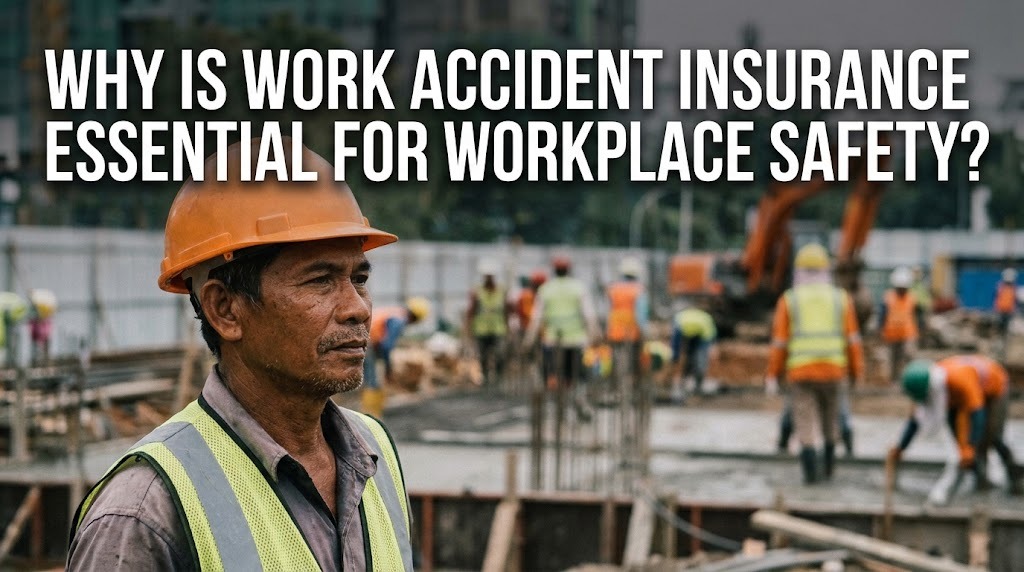
Workplace safety is an important responsibility shared by employers and employees. Although companies may implement safety procedures and provide protective equipment, workplace accidents can still happen unexpectedly. Work accident insurance plays an important role by providing financial and medical protection for eligible employees who experience work-related incidents. It also encourages companies to take employee welfare and workplace risk management more seriously. Understanding its importance helps organizations build safer and more responsible working environments.
PROTECTING EMPLOYEES FROM FINANCIAL RISKS
One major reason work accident insurance is essential is that it helps employees manage the financial consequences of workplace accidents. An unexpected incident may result in medical expenses, treatment requirements, or temporary difficulties returning to work. Without appropriate insurance protection, these circumstances could create financial pressure for workers and their families. Insurance benefits can help cover eligible medical expenses and provide compensation according to the applicable program provisions. This support allows employees to focus more on their recovery.
In Indonesia, eligible participants in BPJS Ketenagakerjaan's Work Accident Security (JKK) program can receive benefits based on established regulations. These benefits may include medical treatment and compensation for certain work-related conditions. The amount and type of support depend on the employee's eligibility and the circumstances of the incident. Employees should understand their membership status and the procedures for accessing benefits. Financial protection is an important part of maintaining employee welfare.
ENCOURAGING EMPLOYERS TO PRIORITIZE WORKPLACE SAFETY
Providing work accident insurance can encourage employers to pay greater attention to workplace safety. Companies that recognize the financial and operational consequences of accidents may become more committed to improving their safety management systems. They can evaluate workplace risks, establish clear procedures, and provide appropriate protective equipment. Insurance does not replace these responsibilities, but it complements broader safety efforts. A responsible employer should prioritize accident prevention rather than depend entirely on insurance benefits.
Employers can also organize workplace safety training to help employees understand potential hazards and safe working practices. Regular inspections can identify conditions that need improvement before they lead to incidents. Clear reporting procedures allow workers to communicate safety concerns to supervisors. Companies should also ensure that employees understand the protection available through their insurance programs. Combining prevention measures with insurance coverage creates a more comprehensive approach to workplace protection.
SUPPORTING EMPLOYEE HEALTH AND RECOVERY
Work accident insurance contributes to employee welfare by helping eligible workers access necessary medical services after workplace incidents. Depending on the program, coverage may include medical examinations, treatment, medication, and rehabilitation. Access to appropriate care can support employees throughout their recovery. It can also help them understand the medical steps required before returning to their duties. Workers should follow professional medical advice and the procedures established by their insurance provider.
A supportive recovery process benefits both employees and organizations. When workers receive appropriate treatment, they can focus on regaining their ability to perform daily activities. Employers should communicate with affected employees and follow the applicable procedures regarding their return to work. Any adjustments to work responsibilities should consider the employee's condition and relevant medical recommendations. Supporting recovery demonstrates that workplace safety includes both accident prevention and employee care.
BUILDING EMPLOYEE CONFIDENCE AND WORKPLACE TRUST
Employees are more likely to feel secure when they understand that their workplace provides appropriate protection. Work accident insurance coverage can strengthen confidence because workers know that eligible support is available if a work-related incident occurs. This sense of security can contribute to a more positive working environment. It also shows that the company recognizes employee welfare as an important part of its responsibilities. However, trust must be supported by transparent information and proper implementation.
Employers should explain how employees can check their insurance membership and report workplace accidents. They should also provide clear information about claim procedures and the benefits available under the relevant program. Employees should have opportunities to ask questions and raise concerns about workplace safety. When communication is open, workers can better understand their rights and responsibilities. This approach helps strengthen cooperation between management and employees.
HELPING COMPANIES MANAGE WORKPLACE RISKS
Work accident insurance is also an important part of a company's broader workplace risk management strategy. Accidents can affect business operations through employee absences, administrative responsibilities, and disruptions to daily activities. Insurance helps provide financial support for eligible work-related incidents, although it does not eliminate every operational cost. Companies should therefore combine insurance protection with systematic risk assessments and safety planning. This approach helps organizations prepare for unexpected situations while reducing preventable hazards.
A comprehensive safety strategy includes identifying potential risks, evaluating work procedures, and reviewing safety policies regularly. Employers can involve employees in reporting unsafe conditions and suggesting practical improvements. They should also maintain accurate accident records to identify recurring problems and develop preventive measures. Regular training and clear responsibilities can make safety procedures easier to follow. By integrating insurance with effective prevention, companies can create a more sustainable workplace safety system.
CONCLUSION
Work accident insurance is essential for workplace safety because it provides financial and medical protection for eligible employees while encouraging responsible workplace management. It helps workers access appropriate support after accidents and gives employers an important part of their broader risk management strategy. However, insurance cannot replace accident prevention, safety training, or the employer's responsibility to maintain a safe working environment. In Indonesia, eligible workers can receive protection through BPJS Ketenagakerjaan's JKK program according to applicable regulations. Combining insurance coverage with consistent safety practices helps create a healthier, more secure, and more productive workplace.
Recent Posts

Bagaimana Sistem SKS pada Program Kuliah... 22.11.2026/37 View

How Does Technology Make Daily Evaluation... 21.11.2026/70 View

Apa Strategi Menghadapi Kesenjangan antara Kompetensi... 21.11.2026/73 View

Mengapa Inventaris Aset Penting bagi Kelancaran... 21.11.2026/68 View

When Should Musicians Join a Record... 21.11.2026/71 View
