

Why Is Work Experience Important for Designers?
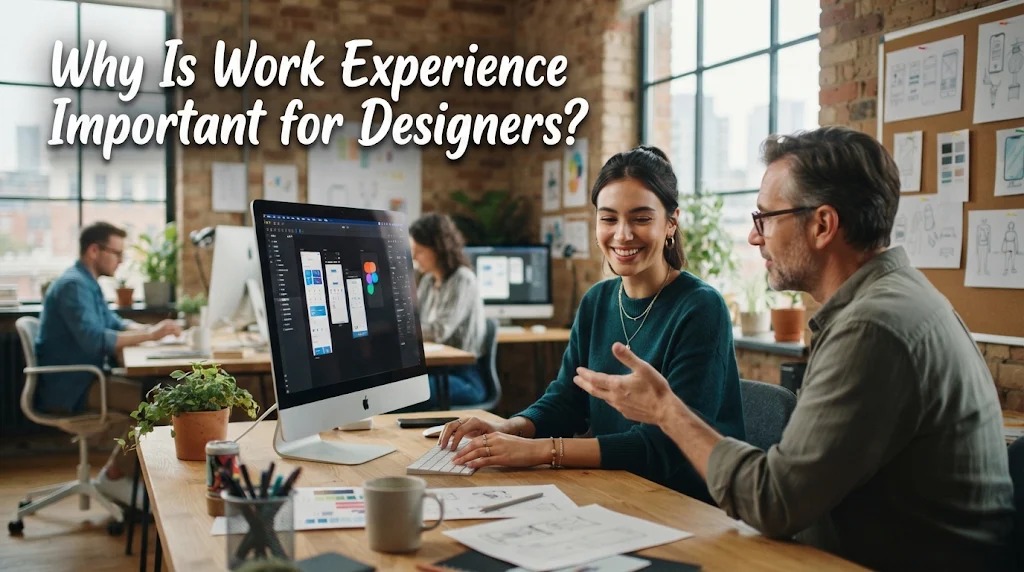
Work experience is an important factor in building a successful career as a designer. Although creativity and technical skills are essential, designers also need practical experience to understand how the professional design industry works. Through real projects, they can learn to handle client requirements, manage deadlines, solve problems, and improve the quality of their work. Experience also helps designers understand industry expectations and develop confidence when working with different people. Therefore, gaining work experience is an important step for both beginner and professional designers who want to improve their careers.
WORK EXPERIENCE HELPS DESIGNERS IMPROVE THEIR SKILLS
Work experience allows designers to apply the knowledge they have gained through education, courses, or independent practice. By working on real projects, they can understand how design principles are used to meet specific objectives. They also become more familiar with design software, technical requirements, and professional workflows. These experiences help them recognize their strengths and identify areas that still need improvement.
In addition, practical experience encourages designers to develop better creative and technical abilities. They may encounter projects that require different visual styles, design techniques, and problem-solving approaches. By handling these challenges, designers can become more flexible and confident in their work. Continuous practice also helps them produce designs that are more consistent and professional.
EXPERIENCE TEACHES DESIGNERS TO UNDERSTAND CLIENT NEEDS
Understanding client expectations is one of the most important responsibilities of a professional designer. Each client has different goals, preferences, target audiences, and project requirements. Through work experience, designers learn how to communicate with clients, ask relevant questions, and understand the purpose of a project before creating a design. This process helps prevent misunderstandings and reduces unnecessary revisions.
Experienced designers also become better at receiving feedback and making appropriate adjustments. They learn that personal preferences are not always the main priority because designs must serve the client's objectives and audience needs. For example, a business may need a simple and professional logo rather than a complicated visual concept. The ability to understand and respond to these requirements helps designers build stronger professional relationships.
WORK EXPERIENCE BUILDS A STRONGER DESIGN PORTFOLIO
A portfolio is an important tool for showing a designer's abilities, creativity, and professional achievements. Work experience provides opportunities to create real projects that can demonstrate how designers handle different tasks. These projects may include logos, advertisements, websites, product illustrations, or other visual materials. A well-organized portfolio helps potential employers and clients evaluate a designer's skills and working style.
Furthermore, professional projects can show that a designer has experience dealing with actual requirements and challenges. This can make a portfolio more convincing than one containing only practice assignments. However, designers must obtain permission before displaying confidential client work or materials that are not publicly shareable. They should also explain their role in each project so that viewers understand their specific contributions.
EXPERIENCE IMPROVES TIME MANAGEMENT AND TEAMWORK
Professional design projects often involve strict deadlines and collaboration with other people. Designers may need to work with marketing teams, developers, photographers, project managers, or business owners. Work experience teaches them how to coordinate tasks, communicate ideas, and complete responsibilities according to project schedules. These abilities are important because successful design work often depends on effective teamwork.
Time management also becomes stronger as designers handle different projects and priorities. They learn how to divide large assignments into smaller tasks, estimate the time needed, and organize their work efficiently. When unexpected problems occur, experienced designers are generally better prepared to adjust their schedules and find suitable solutions. These habits help them maintain productivity without sacrificing design quality.
WORK EXPERIENCE OPENS MORE CAREER OPPORTUNITIES
Having relevant work experience can improve a designer's chances of finding employment and obtaining professional projects. Many companies consider practical experience when evaluating applicants because it demonstrates their ability to handle workplace responsibilities. Designers with experience may also have better opportunities to work on larger projects, join creative teams, or pursue specialized positions. This can support their professional development over time.
Work experience can also help designers build valuable professional networks. By working with clients, colleagues, and other creative professionals, they can establish relationships that may lead to future collaborations or job opportunities. Freelance projects, internships, apprenticeships, and part-time work are some ways beginners can gain experience. Even small projects can provide useful lessons when completed seriously and documented properly.
CONCLUSION
Work experience is important for designers because it helps improve practical skills, build stronger portfolios, understand client needs, and develop professional habits. It also provides opportunities to learn teamwork, manage deadlines, and establish valuable industry connections. Beginners can start by joining internships, accepting suitable freelance projects, or participating in creative activities. By continuously gaining experience and learning from each project, designers can become more competitive and build stronger career opportunities.
Recent Posts

How Does Technology Make Daily Evaluation... 21.11.2026/58 View

Apa Strategi Menghadapi Kesenjangan antara Kompetensi... 21.11.2026/60 View

Mengapa Inventaris Aset Penting bagi Kelancaran... 21.11.2026/56 View

When Should Musicians Join a Record... 21.11.2026/55 View

Daily Evaluation or Daily Planning Which... 21.11.2026/63 View
