

Why Is Workplace Safety Essential for Production Staff?
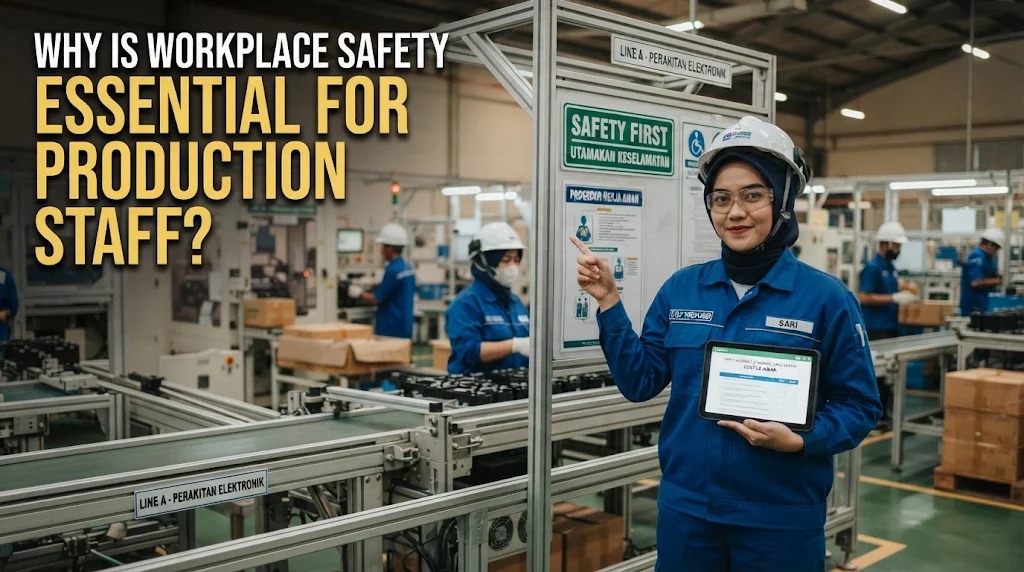
Workplace safety is one of the most important aspects of the manufacturing industry because production activities often involve machinery, electrical equipment, chemicals, and heavy materials. Production staff work in environments where potential hazards can cause injuries, equipment damage, and operational disruptions. Following safety procedures helps employees perform their responsibilities without unnecessary risks. It also supports productivity, protects company resources, and creates a more organized working environment.
PREVENTING WORKPLACE ACCIDENTS
One of the main reasons workplace safety is essential is to prevent accidents during production activities. Manufacturing environments may contain moving machine parts, sharp tools, slippery floors, and heavy equipment. Without proper precautions, employees can experience injuries while operating machines or handling materials. Safety procedures help identify these hazards and reduce the possibility of accidents.
Production staff should understand workplace regulations and ensure that assigned tasks are performed according to established instructions. They must also report dangerous conditions, damaged equipment, and unsafe working practices to supervisors. Regular safety inspections can help identify potential risks before they cause serious problems. Preventing accidents protects employees and helps manufacturing activities continue without unnecessary interruptions.
PROTECTING EMPLOYEE HEALTH
Workplace safety also plays an important role in protecting the physical health of production staff. Some manufacturing activities may expose employees to dust, excessive noise, chemicals, heat, or repetitive movements. Long-term exposure to these conditions can cause health problems if appropriate protective measures are not applied. Companies must provide suitable working conditions and encourage employees to follow health and safety requirements.
Production staff should use personal protective equipment according to the risks associated with their tasks. Examples include safety helmets, gloves, protective footwear, masks, and hearing protection. Employees should also follow instructions for handling hazardous materials and maintaining proper workplace hygiene. These practices help reduce exposure to harmful conditions and support employee well-being.
MAINTAINING PRODUCTIVITY AND OPERATIONAL EFFICIENCY
A safe workplace helps production staff complete their responsibilities more consistently. Workplace accidents can cause employees to miss working days, interrupt production schedules, and require additional resources to resolve. Equipment damage caused by unsafe practices may also create unexpected downtime. By following safety procedures, companies can reduce these disruptions and maintain more stable manufacturing operations.
Production staff should make safety part of their daily work routine rather than treating it as an additional responsibility. They need to check working conditions, follow machine instructions, and avoid shortcuts that could create hazards. Supervisors should also monitor compliance and provide guidance when necessary. A safe production environment supports both employee performance and operational efficiency.
ENSURING PROPER MACHINE AND EQUIPMENT OPERATION
Manufacturing companies depend on machines and equipment to complete different production activities. However, incorrect machine operation can create serious risks for employees and damage valuable company assets. Production staff must understand operating instructions, safety warnings, and equipment limitations before performing assigned tasks. Following these requirements helps prevent mechanical failures and dangerous situations.
Employees should inspect equipment before use and report unusual sounds, overheating, or other signs of malfunction. Machines that require repair should not be operated until they have been checked by authorized personnel. Production staff must also follow applicable procedures when cleaning, adjusting, or maintaining equipment. Proper machine handling helps create a safer workplace and protects production resources.
REDUCING PRODUCTION COSTS
Workplace accidents can create additional expenses for manufacturing companies. These costs may include medical treatment, equipment repairs, production delays, compensation, and employee replacement. Serious incidents can also affect delivery schedules and damage business relationships. Preventing accidents is therefore an important way to control unnecessary operational costs.
Production staff contribute to cost reduction by following safety procedures and using equipment responsibly. They should avoid careless actions that could damage machinery or materials. Companies should also invest in employee training, protective equipment, and regular workplace inspections. Although safety programs require resources, they can help prevent larger financial losses in the future.
SUPPORTING EMPLOYEE DISCIPLINE AND RESPONSIBILITY
Workplace safety encourages employees to develop discipline and take responsibility for their actions. Production staff must follow instructions, wear appropriate protective equipment, and maintain order in their working areas. These habits help employees become more aware of potential dangers and understand how their behavior affects coworkers. Consistent safety practices also strengthen teamwork and professional conduct.
Employees should not ignore hazards or assume that accidents will not happen to them. They need to report unsafe conditions and remind coworkers to follow established procedures when appropriate. Supervisors can strengthen this responsibility through regular briefings and safety evaluations. A workplace where everyone takes safety seriously is more organized and dependable.
MEETING COMPANY REGULATIONS AND SAFETY STANDARDS
Manufacturing companies must follow applicable occupational health and safety requirements to protect employees and maintain responsible operations. These requirements may include machine safety, emergency procedures, hazard identification, and the use of personal protective equipment. Production staff need to understand the rules that apply to their working environment. Following them helps companies maintain consistent safety practices.
Employees should participate in safety training and understand how to respond to emergencies such as fires, chemical spills, or equipment accidents. They must also follow reporting procedures when incidents occur. Regular evaluations help identify areas where safety practices need improvement. Compliance with safety requirements demonstrates the company's commitment to protecting its workforce.
CREATING A POSITIVE WORKING ENVIRONMENT
A safe working environment helps employees feel more comfortable and confident when performing their duties. When workers understand that potential hazards are managed properly, they can concentrate better on their responsibilities. This can improve cooperation, motivation, and overall job satisfaction. A positive workplace also encourages employees to communicate openly about safety concerns.
Production staff and supervisors should work together to maintain clean, organized, and hazard-free working areas. They can support this effort by arranging materials properly, keeping emergency pathways clear, and reporting dangerous conditions. Companies should also encourage employees to provide suggestions for improving workplace safety. These actions help build a workplace culture based on mutual care and responsibility.
CONCLUSION
Workplace safety is essential for production staff because it prevents accidents, protects employee health, and supports efficient manufacturing activities. It also reduces operational costs, encourages discipline, and helps companies meet safety requirements. Every employee has a responsibility to follow established procedures and report potential hazards. By making safety a daily priority, manufacturing companies can create a healthier, more productive, and more reliable working environment.
Recent Posts

How Does Technology Make Daily Evaluation... 21.11.2026/56 View

Apa Strategi Menghadapi Kesenjangan antara Kompetensi... 21.11.2026/58 View

Mengapa Inventaris Aset Penting bagi Kelancaran... 21.11.2026/52 View

When Should Musicians Join a Record... 21.11.2026/53 View

Daily Evaluation or Daily Planning Which... 21.11.2026/60 View
