

Why Is Youth Participation Important in the Democratic Election Process?
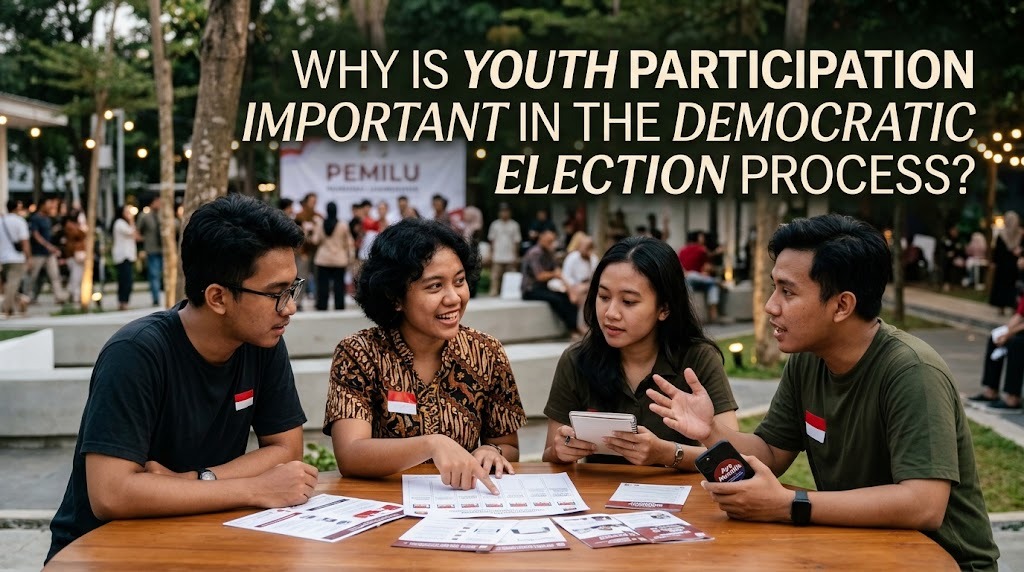
Youth participation is an important element in maintaining a strong and sustainable democratic system. Young people represent a significant part of society and have the potential to influence the future direction of a country through their political choices. In Indonesia, young voters play an increasingly important role in general elections because their participation can influence election outcomes and the selection of national and regional leaders. Through elections, young citizens have an opportunity to express their opinions, support candidates, and contribute to important decisions that affect their future.
The democratic election process requires active participation from citizens of different age groups, including young people who are voting for the first time. Their involvement should not be limited to casting ballots but should also include understanding political issues, evaluating candidates, and monitoring government performance. The General Elections Commission (KPU) has an important role in providing election information and encouraging young voters to participate responsibly. With sufficient political knowledge and awareness, young people can become more critical, informed, and responsible voters. Therefore, youth participation is essential for strengthening democracy and supporting long-term national development.
INFLUENCING THE FUTURE OF NATIONAL LEADERSHIP
Young people have an important opportunity to influence the future leadership of their country through democratic elections. Their voting decisions help determine which candidates and political parties receive public support. Leaders elected through democratic processes are responsible for making policies that affect education, employment, healthcare, technology, and economic development. These issues are closely connected to the needs and aspirations of younger generations. By participating in elections, young voters can help ensure that their interests and concerns receive attention.
Furthermore, youth participation encourages political leaders to understand the expectations of younger citizens. When young people actively express their preferences through elections, candidates have greater motivation to develop programs that address youth-related challenges. These may include improving educational opportunities, creating employment opportunities, supporting entrepreneurship, and expanding digital infrastructure. Young voters should therefore evaluate candidates based on their qualifications, programs, and commitment to public welfare. Youth voting power can contribute to shaping a more responsive and representative government.
STRENGTHENING DEMOCRATIC VALUES AND RESPONSIBILITY
Participating in elections helps young people understand the importance of democratic values such as equality, freedom of expression, tolerance, and respect for different opinions. Elections provide an opportunity for citizens to make political choices peacefully rather than through force or intimidation. When young people participate responsibly, they learn that democracy requires cooperation and respect for established rules. They also become more aware that every eligible citizen has equal voting rights regardless of social background or economic condition.
In addition, democratic participation teaches young citizens about their responsibilities as members of society. Voting should involve careful consideration of political programs, leadership qualifications, and public commitments. Young people also need to understand that democracy does not end after election day because citizens must continue paying attention to government policies and public decisions. Through active participation, they can develop a stronger sense of civic responsibility. Democratic awareness helps young voters become more thoughtful citizens who contribute positively to society.
ENCOURAGING POLITICAL AWARENESS AMONG YOUNG PEOPLE
Youth participation is important because it encourages greater awareness of political issues and government responsibilities. Many young people are interested in education, employment, environmental protection, public transportation, and digital development. These issues are influenced by government policies and political decisions. By following election information and understanding political debates, young citizens can learn how public institutions work and how leaders influence everyday life. This knowledge helps them make better decisions when choosing candidates.
Political awareness can also encourage young people to participate in discussions about important national and local issues. Schools, universities, community organizations, and election institutions can support this development through educational programs and public discussions. The KPU can contribute by providing accessible information about election procedures, voting rights, and the responsibilities of elected representatives. Young people should also learn to evaluate political information critically instead of accepting every statement they encounter online. Political literacy helps create a generation that understands democracy and participates in public decision-making.
PREVENTING POLITICAL MISINFORMATION AND NEGATIVE INFLUENCES
Young people frequently use social media and digital platforms to obtain information about politics and elections. Although these platforms provide quick access to news and public discussions, they can also spread misinformation, manipulated content, and misleading political narratives. False information can influence voting decisions and create unnecessary conflicts between different groups. Therefore, young voters need the ability to evaluate information carefully before believing or sharing it. Responsible digital behavior is an important part of modern democratic participation.
Political awareness can help young citizens distinguish between reliable information, personal opinions, and fabricated claims. They should check information sources, compare reports, and use official election channels when seeking accurate information. Young voters must also avoid political intimidation, hate speech, and the spread of unverified accusations. The KPU and other relevant institutions can support these efforts through public education and information campaigns. Digital literacy helps protect young voters from manipulation and encourages healthier political discussions during election periods.
REPRESENTING YOUTH ASPIRATIONS IN PUBLIC POLICY
Young people have different experiences and priorities compared with older generations. Their concerns often include access to quality education, affordable housing, employment opportunities, technological innovation, and environmental sustainability. Through elections, young voters can support candidates whose programs address these issues. Their participation helps communicate the needs of younger generations to political leaders. This is important because public policies should consider the interests of different groups within society.
Furthermore, young people can contribute to political development by joining community discussions, student organizations, and public consultation activities. These activities allow them to express opinions and understand how government decisions are made. Youth participation also encourages political representatives to become more responsive to the needs of younger citizens. However, young voters should evaluate political promises carefully and consider whether proposed programs are realistic and beneficial to society. Youth representation helps create more inclusive public policies and supports balanced national development.
BUILDING A STRONGER AND MORE SUSTAINABLE DEMOCRACY
Active youth participation is essential for ensuring that democracy continues to develop across generations. When young people become involved in elections, they help maintain public participation and strengthen the relationship between citizens and democratic institutions. Their involvement can also introduce fresh perspectives, new ideas, and greater attention to emerging social challenges. A democratic system becomes stronger when citizens from different generations are willing to participate and respect the political process. Therefore, encouraging young voters is an important investment in the country's future.
The KPU, educational institutions, families, and communities all have roles in encouraging responsible youth participation. They can provide political education, explain voting procedures, and create opportunities for young people to discuss democratic issues. Young citizens should also develop the habit of following public policies and evaluating the performance of elected leaders after elections. Participation should become a continuous civic responsibility rather than an activity limited to election periods. An informed and active younger generation can help build a more inclusive, accountable, and sustainable democracy in Indonesia.
CONCLUSION
Youth participation is important in the democratic election process because young people have the ability to influence national leadership, strengthen democratic values, and represent the interests of future generations. Their involvement also increases political awareness, encourages responsible use of digital information, and supports more inclusive public policies. Through political education and accessible election information, the KPU can help young voters understand their rights and responsibilities. However, meaningful participation requires young citizens to evaluate candidates critically and remain interested in public issues beyond election day. Therefore, active youth participation is an important foundation for maintaining and strengthening democracy in Indonesia.
Recent Posts

Bagaimana Sistem SKS pada Program Kuliah... 22.11.2026/47 View

How Does Technology Make Daily Evaluation... 21.11.2026/74 View

Apa Strategi Menghadapi Kesenjangan antara Kompetensi... 21.11.2026/75 View

Mengapa Inventaris Aset Penting bagi Kelancaran... 21.11.2026/72 View

When Should Musicians Join a Record... 21.11.2026/75 View
