

Why Should Archaeological Sites Be Protected And Preserved?
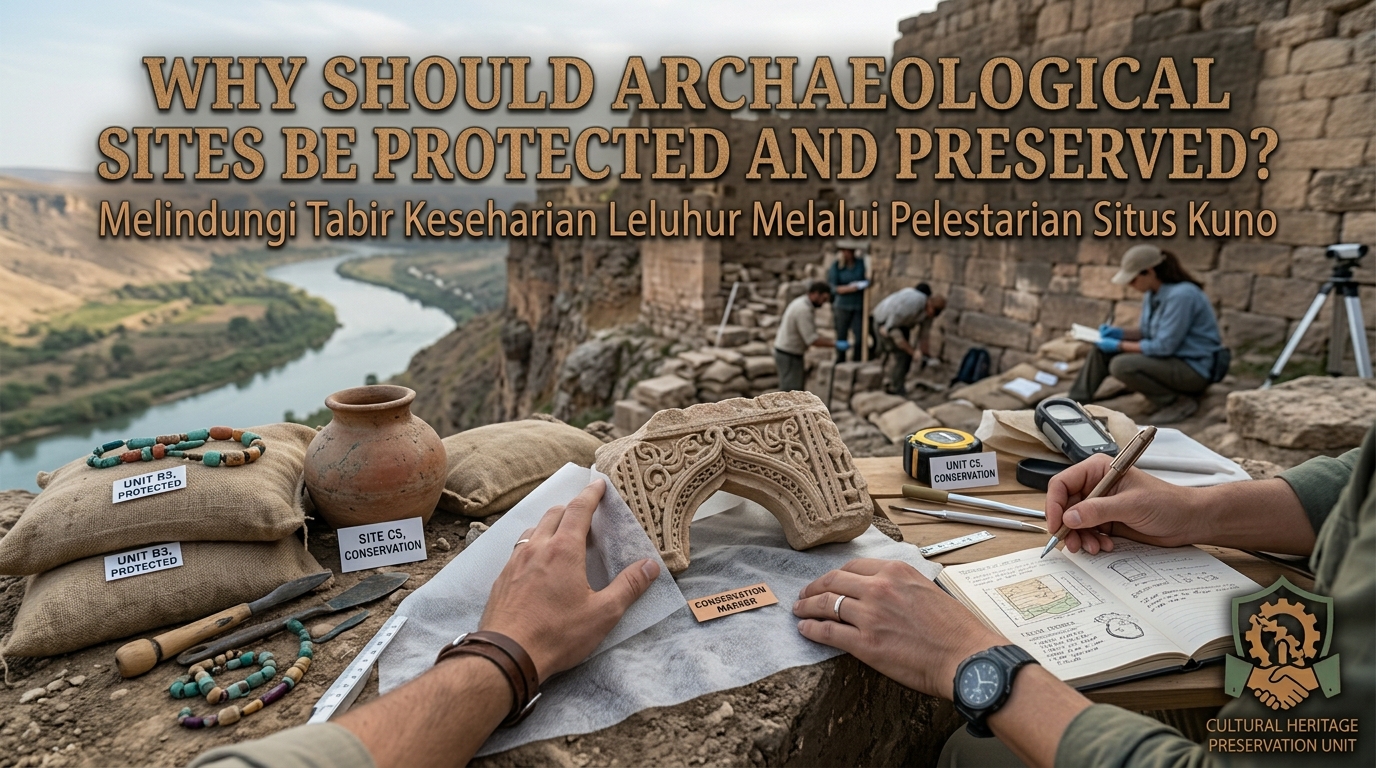
Archaeological sites provide valuable evidence about how people lived, worked, and developed civilizations in the past. From ancient temples and burial grounds to abandoned cities and prehistoric settlements, these places help us understand human history and cultural development. However, archaeological sites can be damaged by natural disasters, pollution, urban development, illegal excavation, and looting. Protecting these places is essential to ensure that future generations can continue learning from the past. Understanding why archaeological sites should be protected and preserved also highlights the importance of responsible cultural heritage management.
PRESERVING HUMAN HISTORY
Archaeological sites are important records of human history because they contain physical evidence of past societies. Buildings, tools, pottery, inscriptions, and other remains help researchers understand how ancient people lived and organized their communities. These discoveries can reveal information about their technology, economic activities, political systems, and social relationships. Without proper protection, valuable evidence may disappear before archaeologists have the opportunity to study it. Preserving archaeological sites allows future generations to explore the stories of earlier civilizations.
Archaeological evidence can also correct misunderstandings about the past. Researchers compare artifacts, architectural remains, and scientific findings to develop more accurate historical interpretations. Protecting original archaeological contexts is especially important because the location of an object can provide information about its age, purpose, and relationship to other discoveries. When sites are damaged or objects are removed without documentation, much of this information may be permanently lost.
PROTECTING CULTURAL IDENTITY
Archaeological sites often represent the traditions, beliefs, and achievements of communities that lived in earlier periods. Ancient temples, traditional settlements, and historical monuments can help people understand their cultural roots. These places may also hold special meaning for local and Indigenous communities whose heritage is connected to the land. Protecting them supports cultural identity and a sense of belonging. It also helps ensure that important traditions and historical knowledge are not forgotten.
Cultural heritage can connect younger generations with the experiences of their ancestors. Through educational programs, museum exhibitions, and carefully managed site visits, people can learn about different ways of life and appreciate cultural diversity. Respecting archaeological heritage also encourages communities to recognize the value of their own history and that of others. Preservation should therefore involve local communities and respect their cultural values, especially when sites have continuing spiritual or traditional significance.
PREVENTING DAMAGE AND DESTRUCTION
Archaeological sites face many threats, including natural erosion, earthquakes, floods, extreme weather, pollution, and vegetation growth. Human activities can create additional risks through construction, mining, uncontrolled tourism, and agricultural expansion. Illegal excavation and looting are particularly harmful because they often destroy archaeological layers and remove objects without proper records. Once these contexts are lost, researchers may never recover the information needed to understand the site fully.
Protection measures can reduce these risks and help sites survive for longer periods. Archaeologists and conservation specialists may use protective structures, drainage systems, careful monitoring, and suitable restoration techniques. Governments can also establish legal protections and restrict activities that could damage important heritage locations. Regular maintenance and scientific conservation are essential because even well-known monuments can deteriorate over time. Taking preventive action is often more effective than attempting to repair severe damage after it has occurred.
SUPPORTING SCIENTIFIC RESEARCH
Archaeological sites are valuable sources of information for researchers studying ancient environments, technologies, and human behavior. By examining artifacts and their surrounding layers, scientists can investigate when people settled in an area, what they ate, and how they interacted with other communities. Scientific techniques such as radiocarbon dating, soil analysis, and material examination can help establish timelines and explain past activities. Well-preserved archaeological contexts make these investigations more reliable because researchers can study evidence in its original relationship to other remains.
Protecting sites also creates opportunities for future research. New technologies may allow scientists to discover information that earlier researchers could not identify. For example, ground-penetrating radar and aerial surveys can reveal buried structures without requiring extensive excavation. Preserving archaeological evidence for future study is important because not every question can be answered with current methods. Responsible conservation ensures that researchers can continue investigating the past as scientific knowledge advances.
SUPPORTING EDUCATION AND PUBLIC AWARENESS
Archaeological sites provide practical learning opportunities for students, teachers, researchers, and the wider public. Visiting a protected historical location can help people understand the connection between physical evidence and historical knowledge. Museums, guided tours, documentaries, and educational activities can explain how archaeological discoveries are made and why they matter. These experiences encourage historical awareness and critical thinking by showing how researchers interpret evidence rather than simply relying on written accounts.
Public awareness also plays an important role in heritage protection. When people understand the significance of archaeological sites, they may be more willing to support conservation programs and report illegal activities. Educational campaigns can encourage visitors to avoid touching fragile objects, removing artifacts, or leaving waste at historical locations. Responsible public participation helps reduce damage and strengthens community support for preservation. Sharing archaeological knowledge in accessible ways allows more people to appreciate the importance of protecting the past.
BOOSTING SUSTAINABLE TOURISM AND LOCAL ECONOMIES
Well-preserved archaeological sites can attract visitors interested in history, architecture, and cultural traditions. Tourism may create employment opportunities for local guides, craftspeople, hospitality workers, and small businesses. Entrance fees and tourism revenue can also contribute to site maintenance and conservation when they are managed responsibly. Cultural heritage tourism can therefore provide economic benefits while encouraging communities to value their historical resources.
However, tourism must be carefully managed to prevent overcrowding and physical deterioration. Too many visitors can damage fragile structures, increase waste, and place pressure on nearby communities. Effective management may include visitor limits, designated walking paths, clear information signs, and regular condition assessments. Sustainable tourism balances public access with long-term conservation needs. When local communities participate in planning and benefit fairly from tourism, preservation can support both cultural heritage and local livelihoods.
STRENGTHENING LAWS AND INTERNATIONAL COOPERATION
Protecting archaeological sites requires cooperation between governments, researchers, local communities, and international organizations. National laws can prohibit unauthorized excavation, regulate construction near protected locations, and penalize the illegal trade in cultural objects. Authorities may also maintain official site records, establish protected areas, and require heritage assessments before major development projects begin. Strong heritage protection laws provide an important foundation for preventing avoidable damage and holding offenders accountable.
International cooperation is equally important because looted artifacts can cross national borders and enter illegal markets. Countries can work together to prevent trafficking, recover stolen cultural objects, and exchange conservation expertise. International frameworks, including UNESCO conventions, help establish shared principles for protecting cultural heritage. Coordinated conservation efforts are particularly valuable when sites face threats that extend beyond local boundaries. Effective protection depends on consistent enforcement, adequate funding, professional expertise, and meaningful community involvement.
CONCLUSION
Archaeological sites should be protected and preserved because they contain irreplaceable evidence of human history, cultural identity, and scientific discovery. These places help researchers understand ancient societies while providing educational opportunities and supporting sustainable tourism. Without proper conservation, looting, development, environmental damage, and uncontrolled visitation can destroy information that cannot be recovered. Protecting archaeological heritage requires effective laws, responsible site management, scientific conservation, and active community participation. Preserving archaeological sites today ensures that future generations can continue learning from the past.
Recent Posts

Bagaimana Sistem SKS pada Program Kuliah... 22.11.2026/49 View

How Does Technology Make Daily Evaluation... 21.11.2026/79 View

Apa Strategi Menghadapi Kesenjangan antara Kompetensi... 21.11.2026/79 View

Mengapa Inventaris Aset Penting bagi Kelancaran... 21.11.2026/75 View

When Should Musicians Join a Record... 21.11.2026/80 View
