

Why Should Construction Wood Waste Be Recycled?
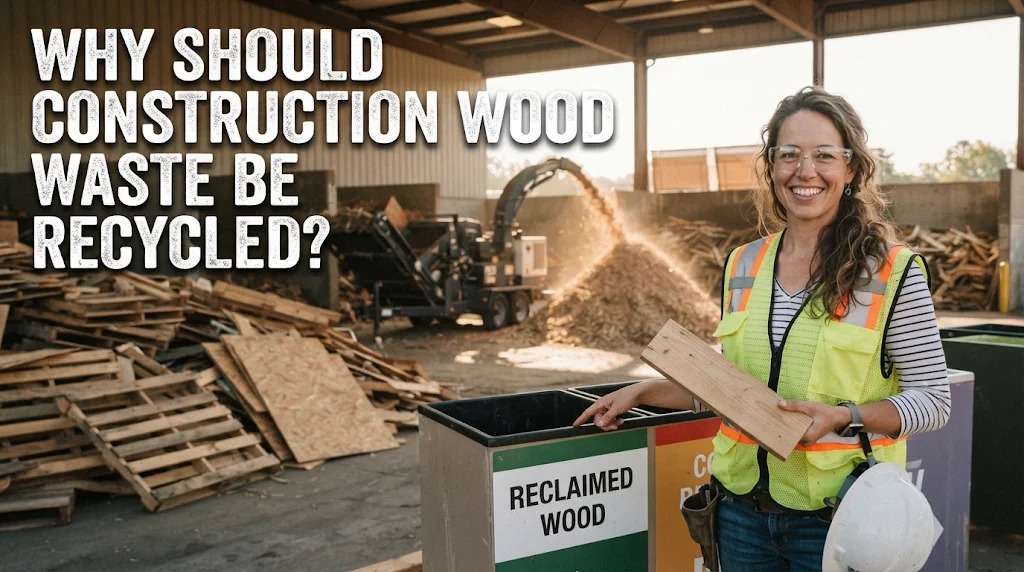
Construction wood waste should be recycled because it helps conserve natural resources, reduce landfill waste, and minimize environmental pollution. Building projects often generate discarded wood from cutting, packaging, temporary structures, damaged materials, and demolition activities. Instead of throwing these materials away, construction companies can collect, process, and reuse them for different purposes. Recycling wood waste also creates economic opportunities and supports more sustainable construction practices.
REDUCING DEFORESTATION AND CONSERVING NATURAL RESOURCES
Recycling construction wood waste helps reduce the demand for newly harvested timber. Wood recovered from construction sites can be processed into useful materials without requiring additional trees to be cut down. This practice supports forest conservation and helps protect natural habitats. By making better use of existing wood resources, construction companies can contribute to more responsible material consumption and environmental protection.
MINIMIZING LANDFILL WASTE
Discarded wood can occupy considerable space in landfills, especially when large quantities are generated by construction and demolition activities. Recycling provides an alternative by allowing suitable materials to be recovered and transformed into new products. Reclaimed wood can be reused for furniture, decorative elements, and other construction applications. Reducing the amount of wood sent to landfills helps improve waste management efficiency and extends the available capacity of disposal facilities.
REDUCING ENVIRONMENTAL POLLUTION
Improper disposal of construction wood waste can contribute to environmental problems. When wood is burned openly, it can release smoke and harmful pollutants into the air. Wood treated with certain chemicals may also create contamination risks if handled or disposed of incorrectly. Recycling helps reduce unnecessary burning and uncontrolled dumping. However, treated, painted, or contaminated wood must be identified and handled according to appropriate safety and disposal requirements.
CREATING VALUABLE NEW PRODUCTS
Recycled construction wood can become a useful resource for developing various products. Suitable timber can be transformed into tables, chairs, shelves, flooring, wall decorations, and other furniture components. Smaller wood pieces may also be processed into particleboard, fiberboard, or other engineered wood products, depending on their condition and composition. These applications give discarded materials additional value and encourage creative approaches to product development.
REDUCING CONSTRUCTION PROJECT COSTS
Recycling wood waste can help construction companies manage material expenses more efficiently. Recovered timber may be reused for temporary supports, protective structures, storage platforms, and other suitable applications. This reduces the need to purchase new materials for certain construction activities. Companies may also generate additional income by selling reusable wood to recycling businesses or manufacturers. Proper collection and sorting are important to ensure that recycling activities remain economically beneficial.
SUPPORTING A CIRCULAR ECONOMY
Wood waste recycling supports a circular economy by keeping materials in use for as long as possible. Instead of following a system where materials are purchased, used, and discarded, construction companies can recover valuable resources and return them to the production cycle. Collaboration between contractors, recycling facilities, and manufacturers makes it easier to collect and process discarded timber. This approach encourages responsible resource management and reduces dependence on newly extracted materials.
IMPROVING CONSTRUCTION WASTE MANAGEMENT
Separating wood waste from other construction materials makes waste management more organized and effective. Construction companies can provide designated collection areas for reusable timber, damaged wood, and materials requiring special handling. Workers should receive guidance on identifying suitable wood for recycling and preventing contamination. Regular monitoring also helps companies measure the amount of wood recovered and identify opportunities to improve recycling performance.
CONCLUSION
Construction wood waste should be recycled because it helps conserve forests, reduce landfill waste, minimize pollution, create valuable products, and lower material expenses. Recycling also supports a circular economy by allowing recovered timber to remain useful in different production activities. Through proper collection, sorting, and processing, construction companies can turn discarded wood into valuable resources while contributing to more sustainable building practices.
Recent Posts

How Does Technology Make Daily Evaluation... 21.11.2026/58 View

Apa Strategi Menghadapi Kesenjangan antara Kompetensi... 21.11.2026/60 View

Mengapa Inventaris Aset Penting bagi Kelancaran... 21.11.2026/56 View

When Should Musicians Join a Record... 21.11.2026/55 View

Daily Evaluation or Daily Planning Which... 21.11.2026/63 View
