

Why Should Designers Pay Attention to the Latest Design Trends?
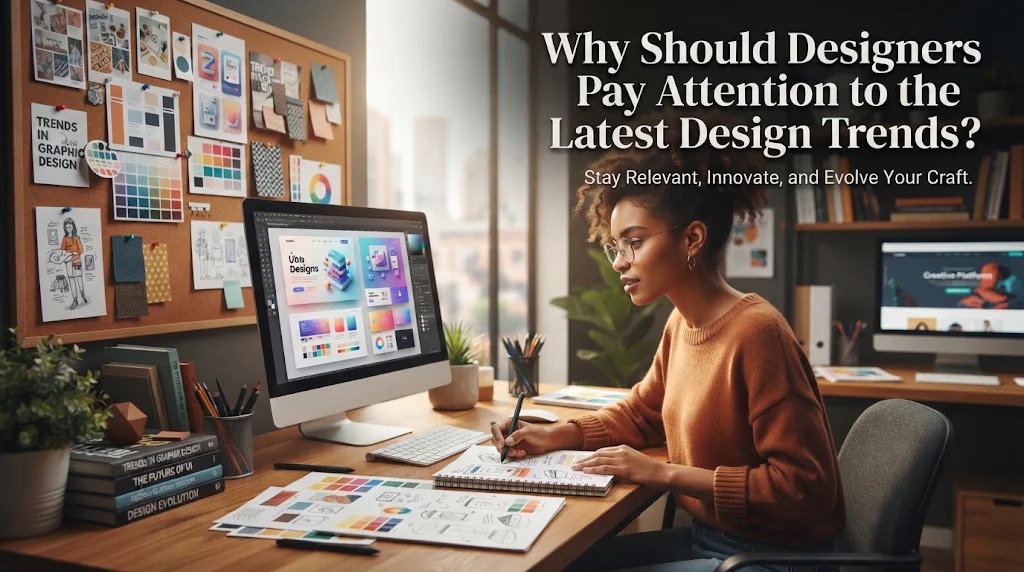
The design industry continues to develop as technology, consumer preferences, and visual communication methods change over time. New design trends influence how businesses present their brands, how audiences interact with digital content, and how creative professionals produce visual materials. For this reason, designers need to pay attention to the latest design trends to keep their work relevant, attractive, and competitive.
Understanding design trends does not mean following every popular style without considering its purpose. Designers must know how to select and adapt trends according to project requirements, client expectations, and target audiences. By keeping up with industry developments, designers can discover fresh ideas, improve their creative abilities, and create designs that meet modern needs.
KEEP DESIGNS RELEVANT AND ATTRACTIVE
Following the latest design trends helps designers create visual content that feels relevant to current audiences. Colors, typography, layouts, illustrations, and visual styles can change in popularity as people's preferences develop. Designs that reflect current visual preferences may attract more attention, especially when used for digital marketing, social media, and brand communication. Understanding these changes allows designers to produce work that connects with audiences more effectively.
However, attractive design is not only about using popular visual styles. Designers must also consider readability, functionality, and the message they want to communicate. For example, a business may need a modern and simple visual identity that remains recognizable for several years. By combining current trends with suitable design principles, professionals can create results that look modern without losing their original purpose.
DEVELOP CREATIVITY AND FIND NEW IDEAS
Design trends can become valuable sources of inspiration for creative professionals. By observing different styles and techniques, designers can discover new ways to combine colors, typography, illustrations, and visual elements. They can also learn how other professionals approach creative challenges and develop distinctive visual concepts. This process helps prevent repetitive work and encourages designers to explore different possibilities.
Following design developments can also introduce professionals to creative approaches they have never used before. For example, learning about minimalist layouts, experimental typography, or three-dimensional visuals may inspire them to develop more interesting projects. Designers can experiment with these ideas and adjust them to match their own creative identities. As a result, they can continuously improve their abilities while producing more original and meaningful work.
MEET CLIENT EXPECTATIONS AND BUSINESS NEEDS
Clients often expect designers to understand current visual developments and apply suitable ideas to their projects. Businesses want their promotional materials, websites, and brand identities to communicate effectively with modern audiences. Designers who understand current trends can provide relevant recommendations instead of relying on outdated approaches. This knowledge can help clients build stronger visual identities and improve their marketing communication.
Understanding trends also makes discussions with clients more productive. Designers can explain why certain colors, layouts, or visual styles may be appropriate for a particular target market. However, they should not apply trends simply because they are popular. Every design decision must support the client's objectives, brand personality, and audience needs to produce effective results.
IMPROVE PROFESSIONAL COMPETITIVENESS
The ability to understand current design trends can help professionals remain competitive in the creative industry. Businesses often look for designers who can produce modern visual content and adapt to changing project requirements. Professionals who regularly update their knowledge may have more opportunities to work with different clients and industries. This can also strengthen their portfolios by demonstrating their ability to handle various design styles.
In addition, designers who understand industry developments can respond more effectively to changes in technology and creative tools. They can learn new techniques, explore updated software features, and improve their working methods. These abilities are valuable for both freelance designers and professionals working in creative companies. Continuous learning helps them maintain their professional relevance and develop long-term career opportunities.
ADAPT TO TECHNOLOGY AND DIGITAL DEVELOPMENT
Technology has a significant influence on modern design trends. Artificial intelligence, digital illustration applications, animation software, and website development tools continue to introduce new creative possibilities. Designers who follow these developments can understand how new technologies affect the way visual content is created and delivered. They can also identify tools that help improve productivity and design quality.
Digital platforms also influence how people consume visual information. Social media, mobile applications, websites, and online advertisements often require different formats and design approaches. For example, designers may need to create responsive layouts, short animations, or interactive visual content to meet platform requirements. Understanding these changes allows designers to adapt their work and produce designs that function effectively across different digital environments.
CONCLUSION
Designers should pay attention to the latest design trends because they help maintain visual relevance, develop creativity, meet client expectations, and improve professional competitiveness. Understanding new technologies and digital developments also allows designers to discover better ways to create and communicate visual messages. These advantages can support professional growth and create more opportunities in the creative industry.
However, successful designers should not follow every trend without considering its purpose. They need to combine current visual developments with creativity, technical knowledge, and a clear understanding of client requirements. By continuously learning and adapting, designers can produce attractive, functional, and meaningful work while maintaining their unique creative identities.
Recent Posts

How Does Technology Make Daily Evaluation... 21.11.2026/58 View

Apa Strategi Menghadapi Kesenjangan antara Kompetensi... 21.11.2026/60 View

Mengapa Inventaris Aset Penting bagi Kelancaran... 21.11.2026/56 View

When Should Musicians Join a Record... 21.11.2026/55 View

Daily Evaluation or Daily Planning Which... 21.11.2026/63 View
