

Why Should Employees Submit an Official Work Leave Letter?
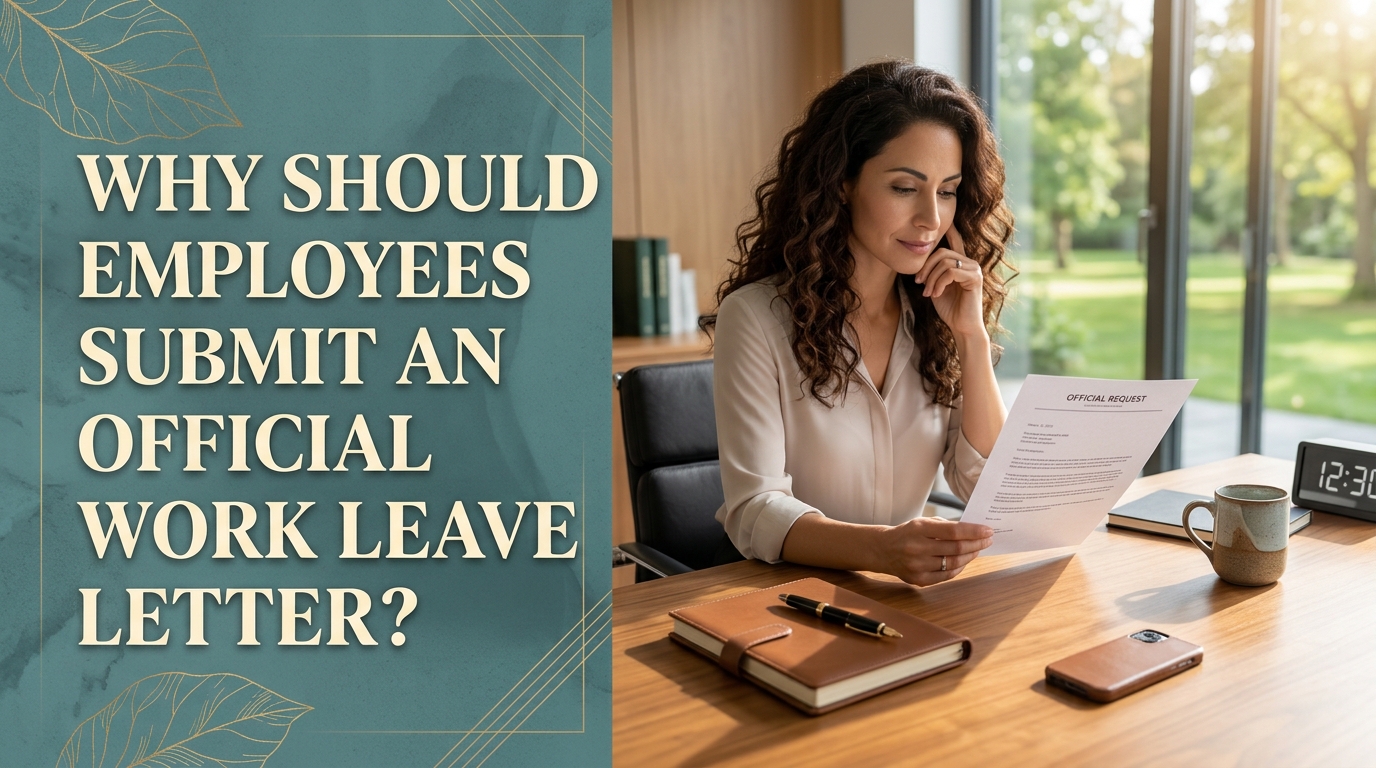
Taking time off from work is a normal part of professional life. Employees may need leave for various reasons, including illness, family responsibilities, personal matters, vacations, or important life events. However, informing an employer about an absence should not be treated as a simple formality. Submitting an official work leave letter is an important step that helps employees communicate their needs clearly and follow workplace procedures.
An official work leave letter provides written information about the reason for an employee's absence, the requested dates, and other relevant details. It also gives managers and human resources departments an opportunity to review the request and prepare for temporary changes in workplace responsibilities. Without proper communication, unexpected absences may create scheduling difficulties, misunderstandings, or administrative problems.
Understanding why employees should submit an official work leave letter can help them become more responsible and professional in the workplace. This document benefits both employees and employers because it supports clear communication, organized workforce management, and professional accountability.
WHAT IS AN OFFICIAL WORK LEAVE LETTER?
An official work leave letter is a formal written document that employees submit to their managers, supervisors, or human resources departments to request permission to take time off from work. It explains the purpose of the absence, the requested leave period, and other information needed by the employer to evaluate the application.
Unlike an informal conversation or short personal message, an official leave letter provides a more organized record of the request. It can be submitted as a printed document, an email, or through an internal company system, depending on workplace policies. The format may differ between organizations, but the main purpose remains the same: to communicate an employee's intention to take leave professionally.
WHY IS SUBMITTING AN OFFICIAL WORK LEAVE LETTER IMPORTANT?
Submitting an official work leave letter is important because it helps employees communicate their absence through an appropriate professional channel. Instead of simply informing a supervisor that they will not be available, employees can provide complete information about their situation and requested leave dates. This makes the communication clearer and allows employers to understand what arrangements may be necessary.
A formal request also demonstrates that employees respect workplace rules and understand their responsibilities. It helps create a transparent process in which both parties can discuss leave arrangements and approval requirements. Furthermore, a written request can serve as documentation for future reference. Following official leave procedures helps prevent unnecessary confusion and supports better relationships between employees and management.
PROVIDES CLEAR AND PROFESSIONAL COMMUNICATION
One of the main reasons employees should submit an official work leave letter is to maintain clear communication with their employers. Employees need to explain why they cannot attend work and when they expect to return. Providing this information in writing reduces the possibility of misunderstandings about the purpose or duration of the absence.
Professional communication is especially important in workplaces where several employees depend on one another to complete daily tasks. Managers need accurate information to organize schedules and distribute responsibilities. A formal letter also allows employees to explain their circumstances respectfully without relying on incomplete verbal communication. As a result, clear written communication creates a more organized working environment.
CREATES AN OFFICIAL RECORD OF THE LEAVE REQUEST
An official work leave letter provides written documentation that an employee has submitted a request for time off. This record can be useful for employees, managers, and HR departments when reviewing attendance information or checking previous applications. It also helps both parties confirm the details that were originally communicated.
For example, if a misunderstanding occurs about the requested dates, employees and managers can refer to the original document or email. Written records can also support administrative processes, such as tracking leave balances and maintaining employee attendance information. However, employees should understand that a submitted request is not automatically proof of approval. The approval confirmation should also be kept as part of the relevant employment records.
HELPS EMPLOYERS PLAN WORK SCHEDULES
Employee absences can affect daily business activities, particularly when several team members are responsible for connected tasks. By submitting a leave request in advance whenever possible, employees give managers time to prepare for their absence. This allows employers to adjust schedules, assign temporary responsibilities, or arrange replacement staff when necessary.
Proper planning is especially important for departments that handle customer service, project deadlines, production, or other time-sensitive activities. Managers can identify which tasks need immediate attention and determine how the workload should be distributed. This reduces the risk of operational disruptions and helps teams continue working effectively. Therefore, an official leave letter contributes to better workforce planning and business continuity.
DEMONSTRATES EMPLOYEE RESPONSIBILITY AND PROFESSIONALISM
Submitting an official work leave letter shows that employees understand the importance of communicating their absence responsibly. It demonstrates consideration for managers, colleagues, and the organization as a whole. Employees who follow the correct procedures are more likely to be seen as organized and professional in their workplace interactions.
Professionalism is not only about completing assignments or meeting performance targets. It also involves respecting company policies, communicating changes in availability, and considering how personal decisions may affect team activities. A properly written leave request reflects these qualities. It also helps employees maintain a positive professional reputation by showing that they take their workplace obligations seriously.
REDUCES MISUNDERSTANDINGS AND ADMINISTRATIVE PROBLEMS
Informal leave requests can sometimes create confusion, especially when important information is communicated verbally or through incomplete messages. For example, a manager may misunderstand the requested dates or fail to remember whether an employee has provided an official explanation. These situations can lead to unnecessary discussions and administrative difficulties.
An official work leave letter helps reduce such problems by presenting relevant information in a structured format. Employees can clearly state their reasons, leave duration, and expected return date. HR departments can also use the information to update internal records according to company procedures. Accurate written documentation makes the leave process easier to manage and helps both employees and employers avoid preventable mistakes.
SUPPORTS COMPLIANCE WITH COMPANY POLICIES
Every organization may have different procedures regarding employee leave. Some companies require applications to be submitted several days in advance, while others use digital HR platforms or specific forms. Certain types of leave may also require additional documents, such as medical certificates or other supporting evidence.
Submitting an official leave letter helps employees follow these requirements and ensures that their requests are processed through the correct channels. It also allows HR departments to check relevant information, such as available leave balances and eligibility. Employees should review their employment agreements, internal policies, and applicable labor regulations before submitting a request. Following these requirements helps protect both employee interests and organizational responsibilities.
HELPS EMPLOYEES EXPLAIN DIFFERENT LEAVE SITUATIONS
Employees may request leave for many different reasons, and each situation may require slightly different information. An official letter allows them to explain their circumstances in a way that is appropriate to the purpose of their absence. This is particularly useful when the request involves personal matters or situations that require supporting documentation.
Common reasons for submitting an official work leave letter include:
- Medical Leave: Time off for illness, medical appointments, treatment, or recovery.
- Annual Leave: Planned vacation or personal rest.
- Personal Leave: Time needed to handle important private responsibilities.
- Emergency Leave: Unexpected situations that require immediate attention.
- Family Leave: Responsibilities involving family members or childcare.
- Bereavement Leave: Time off following the death of a family member or someone close.
- Educational Leave: Absence for examinations, training, or academic activities.
By identifying the correct purpose, employees can provide relevant details without including unnecessary personal information. They should also check whether their organization has specific requirements for each leave category. This makes the application more accurate and easier for employers to evaluate.
PROTECTS EMPLOYEE INTERESTS THROUGH PROPER DOCUMENTATION
An official work leave letter can help employees maintain a record of their communication with the employer. This documentation may be useful when checking the requested leave period, reviewing approval decisions, or resolving administrative misunderstandings. It also gives employees a reference if they need to confirm information about their absence.
For example, employees can keep copies of submitted applications, email confirmations, and relevant supporting documents. These records may help clarify whether a request was submitted on time and whether the employer approved the proposed dates. However, employees should remember that the rights and protections associated with leave depend on applicable employment laws and company policies. Keeping accurate leave records is a practical way to manage workplace documentation responsibly.
IMPROVES RELATIONSHIPS BETWEEN EMPLOYEES AND EMPLOYERS
Good professional relationships depend on mutual respect, communication, and trust. When employees submit official leave requests, they show that they are willing to communicate their needs through appropriate workplace procedures. This creates a more transparent relationship between employees and management.
At the same time, employers can respond to requests more effectively when they receive complete and accurate information. Both parties can discuss possible adjustments if the requested dates conflict with important work schedules or operational requirements. Respectful communication also makes it easier to handle unexpected situations without unnecessary tension. In the long term, professional leave management can contribute to a healthier and more cooperative workplace environment.
WHAT INFORMATION SHOULD BE INCLUDED IN AN OFFICIAL WORK LEAVE LETTER?
To make a leave request effective, employees should ensure that their letters contain all the information needed by the employer. A document that lacks important details may require additional clarification and delay the review process. Although the exact format can vary, several elements are generally recommended.
The following information should be included:
- Employee Name: The full name of the person requesting leave.
- Submission Date: The date when the request is prepared or sent.
- Recipient Details: The name or position of the manager or HR representative.
- Subject Line: A short description of the purpose of the letter.
- Reason for Leave: A brief and appropriate explanation of the absence.
- Leave Duration: The exact starting and ending dates.
- Return Date: The expected date when the employee will resume work.
- Work Arrangements: Information about urgent tasks or responsibilities, when relevant.
- Supporting Documents: Additional evidence if required by company procedures.
- Closing Statement: A polite expression of appreciation.
- Employee Signature: The employee's name and other required identification details.
Including these elements helps managers understand the request without having to ask for basic information repeatedly. Employees should also review the document before submitting it to ensure that all details are correct.
EXAMPLE OF AN OFFICIAL WORK LEAVE LETTER
Employees can use a simple template when preparing an official leave request. The following example demonstrates how to communicate a request in a professional and organized manner. It can be adjusted for personal leave, annual vacation, or other situations by changing the reason and relevant details.
Subject: Official Request for Work Leave
Date: [Submission Date]
To: [Manager's Name]
Position: [Manager's Position]
Dear [Manager's Name],
I am writing to formally request leave from [Start Date] to [End Date] due to [Brief Reason for Leave].
During my absence, I will ensure that my urgent responsibilities are properly managed. I will complete any necessary assignments before my leave begins and coordinate with my colleagues regarding tasks that may require attention.
I understand the importance of maintaining smooth workplace operations and will follow the company's leave procedures. I would appreciate your consideration and approval of this request.
Please let me know if any additional information or supporting documents are required.
Thank you for your time and understanding.
Sincerely,
[Employee's Full Name]
[Job Position]
[Department]
This template contains the basic information needed for a professional leave request. Employees should adjust the content according to their actual circumstances and the requirements of their organization. They should also remember to wait for official confirmation before assuming that their leave has been approved.
COMMON MISTAKES EMPLOYEES SHOULD AVOID WHEN SUBMITTING LEAVE LETTERS
Although submitting an official work leave letter is relatively straightforward, employees can still make mistakes that affect the quality of their requests. Some errors may cause confusion, while others can delay the approval process. Understanding these mistakes helps employees prepare better documents and communicate more effectively.
Here are several common mistakes to avoid:
- Submitting Too Late: Planned leave requests should be submitted within the required notification period whenever possible.
- Providing Incomplete Details: Missing dates or unclear reasons can make the request difficult to review.
- Using Informal Language: Slang and overly casual expressions may create an unprofessional impression.
- Ignoring Company Procedures: Employees should use the official channels required by their organization.
- Giving Unnecessary Information: Avoid sharing sensitive personal details that are not required.
- Assuming Automatic Approval: A request should not be treated as approved until confirmation is received.
- Forgetting Supporting Documents: Attach relevant documents when they are required for the type of leave requested.
Avoiding these mistakes helps employees maintain accurate records and demonstrate responsibility. It also makes communication between employees, supervisors, and HR departments more efficient.
CONCLUSION
Submitting an official work leave letter is important because it helps employees communicate their absence professionally while allowing employers to manage workplace operations effectively. This document provides clear information about the reason for leave, the requested dates, and any necessary arrangements during the employee's absence. It also creates written documentation that can support administrative processes and reduce misunderstandings.
Beyond fulfilling workplace requirements, submitting a formal leave request demonstrates professionalism, responsibility, and respect for company policies. Employees should prepare their letters carefully, provide accurate information, and follow the appropriate approval procedures. By doing so, they can manage their leave more effectively while maintaining positive relationships with their employers and colleagues.
Recent Posts

Bagaimana Sistem SKS pada Program Kuliah... 22.11.2026/37 View

How Does Technology Make Daily Evaluation... 21.11.2026/70 View

Apa Strategi Menghadapi Kesenjangan antara Kompetensi... 21.11.2026/73 View

Mengapa Inventaris Aset Penting bagi Kelancaran... 21.11.2026/68 View

When Should Musicians Join a Record... 21.11.2026/71 View
