

Why Should Every Organization Provide Membership Cards?
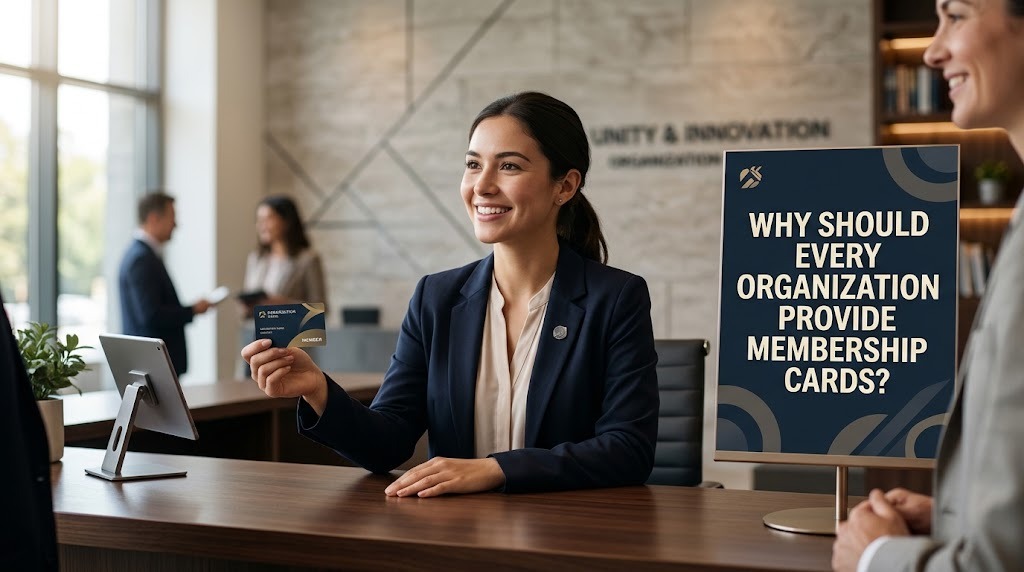
A membership card is an important identification document that confirms an individual's official membership in an organization. It helps distinguish registered members from people who are not part of the organization and provides a simple way to verify membership status. Whether an organization operates in education, business, professional development, or community activities, having a reliable identification system can improve its administrative processes.
Providing membership cards is not only beneficial for members but also for the organization itself. These cards can support better administration, improve security, simplify access to services, and strengthen relationships between members and the organization. As organizations continue to develop, membership cards can also become part of a more modern and efficient membership management system.
MAKE MEMBER IDENTIFICATION EASIER
One of the main reasons organizations should provide membership cards is to make member identification easier. Organizations often have many registered members, making it difficult for administrators to recognize everyone individually. A membership card usually contains important details such as the member's name, photograph, membership number, and organization name. These details help administrators identify individuals more quickly during official activities.
Membership identification is especially useful during meetings, seminars, training programs, and other organizational events. Instead of searching through lengthy registration documents, administrators can use membership cards to perform initial identification checks. A standardized identification system makes member recognition faster and more organized. This also helps reduce confusion when several members have similar names or participate in the same activities.
IMPROVE ORGANIZATIONAL ADMINISTRATION
Membership cards can support more effective organizational administration by connecting each member to an official registration record. Organizations can use unique membership numbers to organize databases, monitor membership status, and maintain accurate records. This makes administrative activities such as updating personal information, recording attendance, and managing membership renewals easier. A consistent identification system is particularly important for organizations with large membership numbers.
In addition, membership cards can help administrators reduce errors when managing member information. When each individual has a unique identification number, the possibility of confusing one member with another becomes smaller. Accurate membership records support better planning and decision-making. Organizations can use reliable membership data to evaluate participation, organize programs, and improve their services.
PROVIDE ACCESS TO MEMBER BENEFITS AND SERVICES
Many organizations offer special benefits that are available only to registered members. These benefits may include training programs, professional development activities, discounted services, access to facilities, and exclusive organizational events. A membership card helps administrators confirm whether an individual is eligible to receive these services. This makes the distribution of organizational benefits more transparent and organized.
Membership cards can also simplify access to certain facilities or activities. For example, a professional association may require members to present their identification before attending a special seminar. Similarly, a community organization may use membership cards to manage access to shared facilities. Membership cards help ensure that organizational benefits are provided to eligible individuals. However, the specific benefits depend on each organization's policies.
STRENGTHEN SECURITY AND PREVENT UNAUTHORIZED ACCESS
Security is another important reason why organizations should provide membership cards. Without a reliable identification system, administrators may find it difficult to distinguish registered members from visitors or unauthorized individuals. Membership cards can help address this problem by providing recognizable identification details. Some organizations also include photographs, barcodes, QR codes, or other verification features to improve identification procedures.
These features can be particularly useful during events that involve sensitive information, restricted facilities, or internal organizational activities. Administrators can check membership details before allowing individuals to access certain areas or services. Proper membership verification helps reduce unauthorized access and improves organizational security. Nevertheless, membership cards should be supported by accurate databases and appropriate security procedures.
BUILD MEMBER IDENTITY AND A SENSE OF BELONGING
Membership cards can also strengthen the relationship between individuals and their organizations. Receiving an official card gives members a visible symbol of their participation and recognition within a particular group. This can create a stronger sense of identity and encourage members to become more involved in organizational activities. It may also help members feel appreciated because their participation is formally recognized.
For organizations, a membership card can represent shared values, responsibilities, and common goals. For example, members of professional associations may feel more connected to their professional community when they receive official identification. A strong sense of belonging can encourage participation, commitment, and cooperation. Although a membership card alone cannot create a positive organizational culture, it can support the feeling of being part of a recognized community.
SUPPORT DIGITAL TRANSFORMATION AND MODERN MEMBERSHIP MANAGEMENT
As technology develops, organizations have more opportunities to improve their membership systems through digital solutions. Traditional printed cards can now be complemented or replaced by digital membership cards accessed through smartphones or online platforms. These digital systems may include QR codes, electronic membership numbers, and automated verification features. Such developments can make membership management more practical and accessible.
Digital membership cards can also reduce the need for printing and physical distribution. Members can access their identification more easily, while administrators can update information through centralized databases. However, organizations must ensure that digital systems protect personal information and provide reliable access. Combining membership cards with digital technology can improve administrative efficiency, convenience, and data management while supporting long-term organizational development.
CONCLUSION
Every organization should consider providing membership cards because they offer important benefits for both members and administrators. Membership cards make identification easier, improve administrative efficiency, provide access to member services, strengthen security, and build a sense of belonging. They can also support digital transformation through modern membership management systems. By implementing a reliable membership identification system, organizations can create more organized operations, improve member services, and strengthen their overall credibility.
Recent Posts

Bagaimana Sistem SKS pada Program Kuliah... 22.11.2026/49 View

How Does Technology Make Daily Evaluation... 21.11.2026/76 View

Apa Strategi Menghadapi Kesenjangan antara Kompetensi... 21.11.2026/78 View

Mengapa Inventaris Aset Penting bagi Kelancaran... 21.11.2026/74 View

When Should Musicians Join a Record... 21.11.2026/78 View
