

Why Should Every School Have Proper Health Facilities for Students?
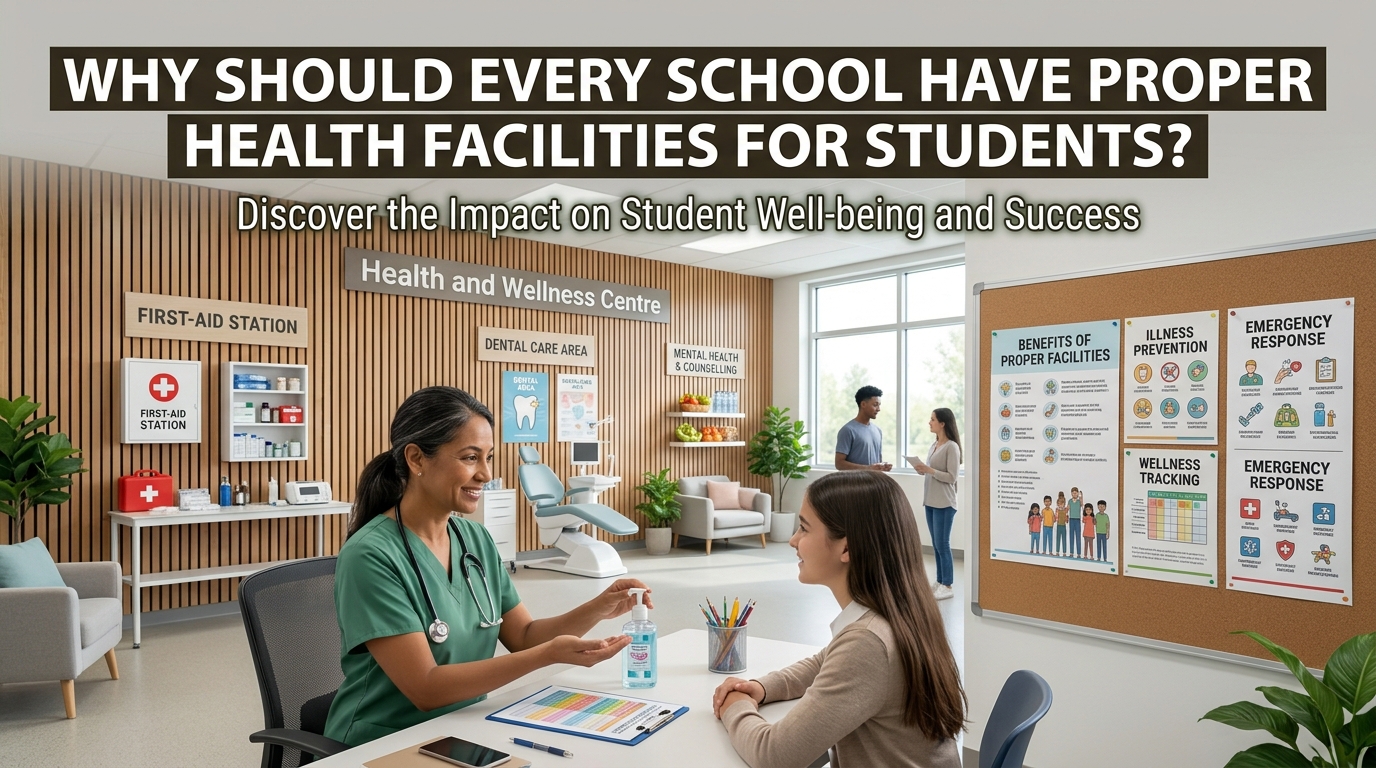
Schools are not only places where students gain knowledge and develop academic skills but also environments where their health and well-being must be protected. Students spend a significant amount of time at school, making access to proper health facilities an important part of a safe and supportive learning environment. These facilities help schools provide basic medical assistance, prevent the spread of diseases, and respond to health emergencies. Without adequate health services, students may face difficulties receiving immediate care when they become sick or injured during school activities. Therefore, every school should have proper health facilities to support students' physical health, emotional well-being, and academic performance.
1. SUPPORTING STUDENTS' HEALTH AND WELL-BEING
Proper school health facilities play an important role in maintaining students' overall health. Students may experience headaches, stomachaches, fever, dizziness, or other health problems while participating in classroom activities. Having a school health room with basic medical equipment allows students to receive initial assistance without immediately leaving the school environment. This support helps students feel safer and more comfortable during their daily activities. It also shows that the school cares about students' physical condition and personal well-being.
In addition, accessible health facilities encourage students to pay more attention to their health. Schools can provide basic health consultations, first aid, and regular health monitoring when appropriate. These services help identify potential health problems before they become more serious. With proper attention and support, students can maintain healthier routines and participate in learning activities more comfortably.
2. PROVIDING QUICK RESPONSE DURING EMERGENCIES
Medical emergencies can happen unexpectedly at school, whether during sports activities, classroom lessons, or outdoor events. Students may experience injuries, allergic reactions, fainting, or sudden illnesses that require immediate attention. Proper health facilities allow school staff to provide basic first aid while arranging further medical assistance if necessary. Essential equipment such as first aid kits, thermometers, clean medical supplies, and emergency contact information can help schools respond more effectively. A quick and organized response can reduce additional risks while waiting for professional healthcare services.
Schools should also establish clear emergency procedures so teachers and staff understand what to do when a student needs medical attention. Training in basic first aid can improve staff readiness and prevent confusion during critical situations. For serious conditions, schools must contact emergency medical services or refer students to appropriate healthcare facilities. These preparations are important to ensure that students receive timely and suitable treatment.
3. PREVENTING THE SPREAD OF INFECTIOUS DISEASES
Schools bring together many students in classrooms, libraries, cafeterias, and other shared spaces. This environment can increase the risk of spreading infectious diseases, especially when hygiene practices are not properly maintained. School health facilities can support early identification of symptoms and provide initial guidance for students who feel unwell. Schools should also maintain clean toilets, handwashing stations, safe drinking water, and appropriate sanitation facilities. These measures help reduce the transmission of germs and create a healthier learning environment.
Furthermore, schools can organize health education programs that teach students about personal hygiene and disease prevention. Students should understand the importance of washing their hands, covering their mouths when coughing, and keeping their surroundings clean. Schools can also coordinate with healthcare professionals to provide relevant health information and vaccination programs when appropriate. Through these efforts, students can develop healthy habits that benefit them both inside and outside school.
4. IMPROVING STUDENTS' LEARNING CONCENTRATION AND PERFORMANCE
Good health has a strong connection with students' ability to learn effectively. Students who experience untreated illnesses, physical discomfort, or health-related concerns may struggle to concentrate during lessons. Proper school health facilities help students receive initial care so they can recover or obtain further treatment when necessary. When health problems are addressed appropriately, students have a better opportunity to participate in classroom activities. This can contribute to a more comfortable and productive learning experience.
Moreover, a healthy school environment supports regular attendance and student participation. Students who receive proper health support may be better prepared to engage in academic activities. Schools should recognize that educational success is not determined by teaching quality alone but also by the physical conditions that support learning. Therefore, investing in school health facilities is an important step toward improving overall educational quality.
5. SUPPORTING STUDENTS' MENTAL AND EMOTIONAL HEALTH
Students do not only experience physical health problems but may also face stress, anxiety, social pressure, and emotional difficulties. These challenges can affect their behavior, relationships, concentration, and academic performance. Proper school health facilities should support access to basic mental health information, initial assistance, and appropriate referrals to qualified professionals. A safe and supportive environment can encourage students to communicate their concerns without feeling embarrassed or judged. This approach helps schools recognize that mental health is an essential part of overall well-being.
Schools can also work with school counselors, psychologists, or other qualified professionals to provide suitable support. Teachers should be encouraged to recognize possible signs of emotional distress while respecting students' privacy. When students need more specialized assistance, schools should help connect them with appropriate healthcare services. By paying attention to emotional well-being, schools can create a more positive and supportive atmosphere for everyone.
6. CREATING A CLEAN AND SAFE SCHOOL ENVIRONMENT
Proper health facilities are closely connected to the cleanliness and safety of the entire school environment. Clean toilets, adequate ventilation, safe drinking water, proper waste disposal, and accessible handwashing stations are essential facilities that support student health. Schools should regularly inspect these facilities to ensure they remain functional and hygienic. Poor sanitation can increase the risk of illness and make students uncomfortable during their learning activities. Therefore, maintaining a clean environment should be a shared responsibility between school management, teachers, students, and other school staff.
Schools should also ensure that health facilities are accessible to students with disabilities and other specific needs. Appropriate access, clear signs, and safe pathways can help every student use available facilities comfortably. Regular maintenance is equally important to prevent damaged equipment or unsanitary conditions. A safe and clean school environment allows students to focus on their education without unnecessary health concerns.
7. INCREASING PARENTS' TRUST IN SCHOOLS
Parents want to ensure that their children study in an environment where their health and safety receive proper attention. The availability of adequate school health facilities can increase parents' confidence in the school's ability to care for students. Parents are more likely to feel reassured when schools have clear health procedures, trained staff, and access to basic medical assistance. Good communication between schools and families also helps ensure that students with specific health needs receive appropriate support. This cooperation creates a stronger relationship between parents and educational institutions.
In addition, schools should inform parents about important health policies and emergency procedures. Parents need to know how the school handles illness, injuries, and situations that require medical referrals. Schools should also maintain appropriate records of health incidents while protecting students' personal information. Transparent communication helps build trust and encourages families to participate in maintaining a healthy school environment.
8. HOW SCHOOLS CAN IMPROVE THEIR HEALTH FACILITIES
Improving school health facilities requires proper planning, funding, and cooperation among different parties. Schools should begin by evaluating existing facilities and identifying the most important needs, such as a dedicated health room, first aid supplies, clean toilets, and safe drinking water. They should also ensure that designated staff members have basic first aid knowledge and understand emergency procedures. Cooperation with local healthcare centers can help schools access professional guidance and relevant health programs. These improvements should be adjusted to the school's size, available resources, and students' needs.
Furthermore, school management should create a regular maintenance schedule to keep all health facilities clean and functional. Health education activities can also be included in school programs to encourage students to develop healthy habits. Schools may involve parents, healthcare professionals, and local communities in supporting these initiatives. With consistent evaluation and improvement, schools can provide health facilities that are useful, accessible, and sustainable.
CONCLUSION
Proper health facilities are an essential part of every school because they help protect students' physical and mental well-being. These facilities provide basic medical assistance, support emergency responses, prevent the spread of infectious diseases, and promote a clean learning environment. They also contribute to better concentration, school attendance, and academic participation. Schools should provide accessible health services, maintain sanitation facilities, and prepare trained staff to handle common health concerns. Ultimately, investing in school health facilities means investing in students' safety, well-being, and future success.
Recent Posts

Bagaimana Sistem SKS pada Program Kuliah... 22.11.2026/35 View

How Does Technology Make Daily Evaluation... 21.11.2026/69 View

Apa Strategi Menghadapi Kesenjangan antara Kompetensi... 21.11.2026/70 View

Mengapa Inventaris Aset Penting bagi Kelancaran... 21.11.2026/67 View

When Should Musicians Join a Record... 21.11.2026/69 View
