

Why Should Homeroom Teachers Understand Each Student's Personality?
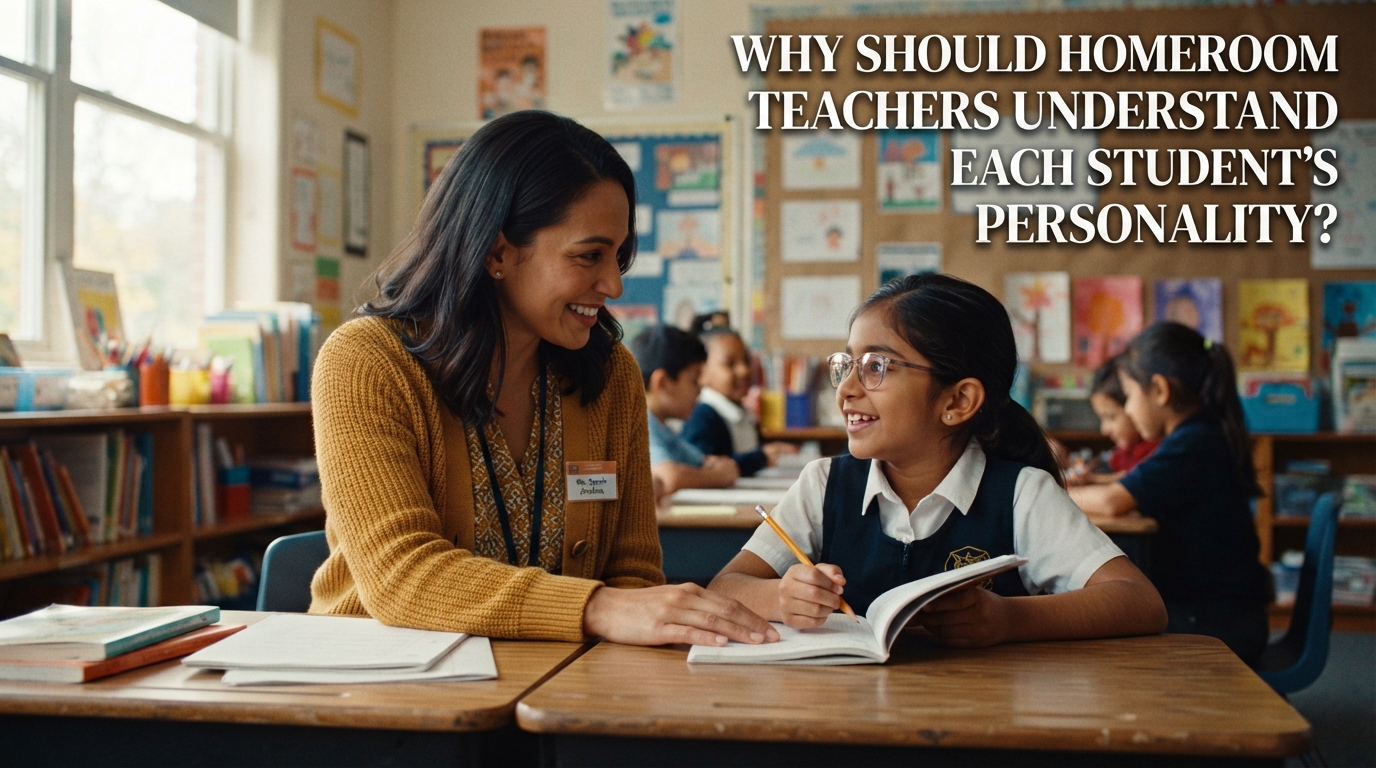
Understanding each student's personality is an important responsibility for homeroom teachers. Every student has different characteristics, interests, abilities, emotions, and ways of communicating. Some students are confident and enjoy participating in classroom activities, while others are quiet and prefer observing before expressing their opinions. These differences can influence how students learn, interact with classmates, and respond to challenges at school.
Homeroom teachers who understand their students' personalities can provide more appropriate guidance, create a comfortable learning environment, and build positive relationships with them. By recognizing individual differences, teachers can identify students' strengths, understand their needs, and help them develop their potential. Therefore, understanding student personality is essential for supporting academic achievement and personal development.
1. RECOGNIZING EACH STUDENT'S INDIVIDUAL CHARACTERISTICS
Every student has a unique personality that influences their behavior, communication style, interests, and learning preferences. Some students are naturally confident, active, and comfortable speaking in front of others, while others may be more reserved and need time to express themselves. Homeroom teachers need to recognize these differences to understand how each student responds to classroom situations. This understanding helps teachers avoid judging students based only on their behavior or academic performance. Recognizing individual characteristics also allows teachers to appreciate students' strengths and respect their differences.
By observing students' daily activities, teachers can identify their interests, habits, emotional responses, and social abilities. These observations provide useful information for determining the most appropriate ways to communicate and provide support. Teachers should also remember that personality is not fixed and can develop through experiences, education, and social interactions. Therefore, every student deserves an opportunity to grow without being restricted by labels or assumptions.
2. PROVIDING MORE EFFECTIVE LEARNING GUIDANCE
Understanding student personality helps homeroom teachers provide learning guidance that matches individual needs. Students have different ways of understanding information, responding to instructions, and completing assignments. For example, some students enjoy group discussions, while others concentrate better when working independently. By recognizing these preferences, teachers can suggest suitable learning strategies without limiting students to only one method. Personalized learning guidance can make students feel more comfortable and motivated to participate in educational activities.
Teachers can also identify students who need additional assistance with particular subjects or learning activities. Students who lack confidence may benefit from encouragement and opportunities to express their ideas gradually. Meanwhile, students who learn quickly may need additional challenges to develop their abilities. Through appropriate guidance, teachers can help every student improve their academic performance and become more independent learners.
3. BUILDING POSITIVE RELATIONSHIPS WITH STUDENTS
A positive relationship between homeroom teachers and students is essential for creating a supportive school environment. Understanding personality helps teachers communicate in ways that make students feel respected, appreciated, and understood. Some students may openly share their experiences, while others need more time and trust before discussing personal concerns. Teachers who recognize these differences can develop better communication and avoid creating unnecessary pressure. Positive teacher-student relationships encourage students to feel safe when asking questions, sharing opinions, or seeking assistance.
Building strong relationships also requires teachers to demonstrate patience, empathy, and fairness. They should listen carefully to students' concerns and avoid comparing one student's personality with another's. When students feel accepted, they are more likely to develop trust and participate actively in classroom activities. This connection can also make it easier for teachers to identify changes in students' behavior and provide appropriate support.
4. IDENTIFYING STUDENTS' EMOTIONAL AND SOCIAL NEEDS
Personality can influence how students express emotions, handle pressure, and interact with other people. Some students easily communicate their feelings, while others may hide their worries or find it difficult to explain what they are experiencing. Homeroom teachers who understand these differences can become more aware of students' emotional and social needs. Emotional awareness helps teachers recognize possible signs of stress, social difficulties, or changes in behavior that may affect learning.
Teachers can support students by creating opportunities for open communication and encouraging healthy social interactions. They can also help students develop empathy, emotional control, confidence, and respect for others. When a student's difficulties require more specialized assistance, teachers should communicate with parents, school counselors, or other qualified professionals. This cooperation ensures that students receive appropriate support for their well-being and personal development.
5. PREVENTING CLASSROOM CONFLICTS AND MISUNDERSTANDINGS
Differences in personality can sometimes lead to misunderstandings between students. For example, a student who speaks directly may unintentionally offend a classmate who is more sensitive, while a quiet student may be misunderstood as unfriendly or uninterested. Homeroom teachers need to understand these differences to recognize the possible causes of classroom conflicts. Understanding personality differences allows teachers to respond more fairly and prevent small disagreements from developing into larger problems.
Teachers can encourage students to respect different opinions, communicate politely, and understand other people's perspectives. Group activities can also help students learn how to cooperate with classmates who have different personalities. When conflicts occur, teachers should listen to everyone involved before making decisions. This approach helps establish a classroom culture based on mutual respect, responsibility, and understanding.
6. DEVELOPING STUDENTS' CONFIDENCE AND POTENTIAL
Every student has different strengths and abilities that deserve recognition and development. Some students demonstrate leadership skills, while others are talented in creative activities, problem-solving, communication, or teamwork. By understanding student personalities, homeroom teachers can identify opportunities that match their interests and abilities. Developing individual potential helps students recognize their strengths and become more confident in their capabilities.
Teachers can encourage students to participate in competitions, extracurricular activities, classroom projects, and other positive experiences. They should also provide constructive feedback that helps students recognize areas for improvement without feeling discouraged. Giving students opportunities to make decisions and take responsibility can strengthen their independence. With consistent encouragement, students can develop their abilities and prepare themselves for future academic and personal challenges.
7. STRENGTHENING COOPERATION BETWEEN TEACHERS AND PARENTS
Understanding student personality is not only important inside the classroom but also supports cooperation between teachers and parents. Parents often have valuable information about their children's habits, interests, emotional responses, and behavior at home. By communicating regularly, homeroom teachers can gain a more complete understanding of each student's development. Teacher-parent cooperation helps ensure that students receive consistent guidance at school and at home.
Teachers can share observations about students' academic progress, social interactions, and personal development with parents. Parents can also explain changes or challenges that may influence their children's behavior at school. This communication should remain respectful, constructive, and focused on the student's needs. When teachers and parents work together, they can create a stronger support system that encourages students to develop in a positive direction.
CONCLUSION
Understanding each student's personality is an essential part of a homeroom teacher's responsibility. It helps teachers recognize individual characteristics, provide effective learning guidance, build positive relationships, and identify students' emotional and social needs. This understanding also supports conflict prevention, confidence development, and stronger cooperation between teachers and parents.
Every student deserves to be understood, respected, and supported according to their individual needs. By demonstrating empathy, patience, and consistent attention, homeroom teachers can create a positive learning environment where students feel valued. Understanding student personality is not simply about recognizing differences but also about helping every student grow, develop their potential, and achieve success.
Recent Posts

How Does Technology Make Daily Evaluation... 21.11.2026/56 View

Apa Strategi Menghadapi Kesenjangan antara Kompetensi... 21.11.2026/58 View

Mengapa Inventaris Aset Penting bagi Kelancaran... 21.11.2026/52 View

When Should Musicians Join a Record... 21.11.2026/53 View

Daily Evaluation or Daily Planning Which... 21.11.2026/60 View
