

Why Should Lecturers Attend Educational Seminars Regularly?
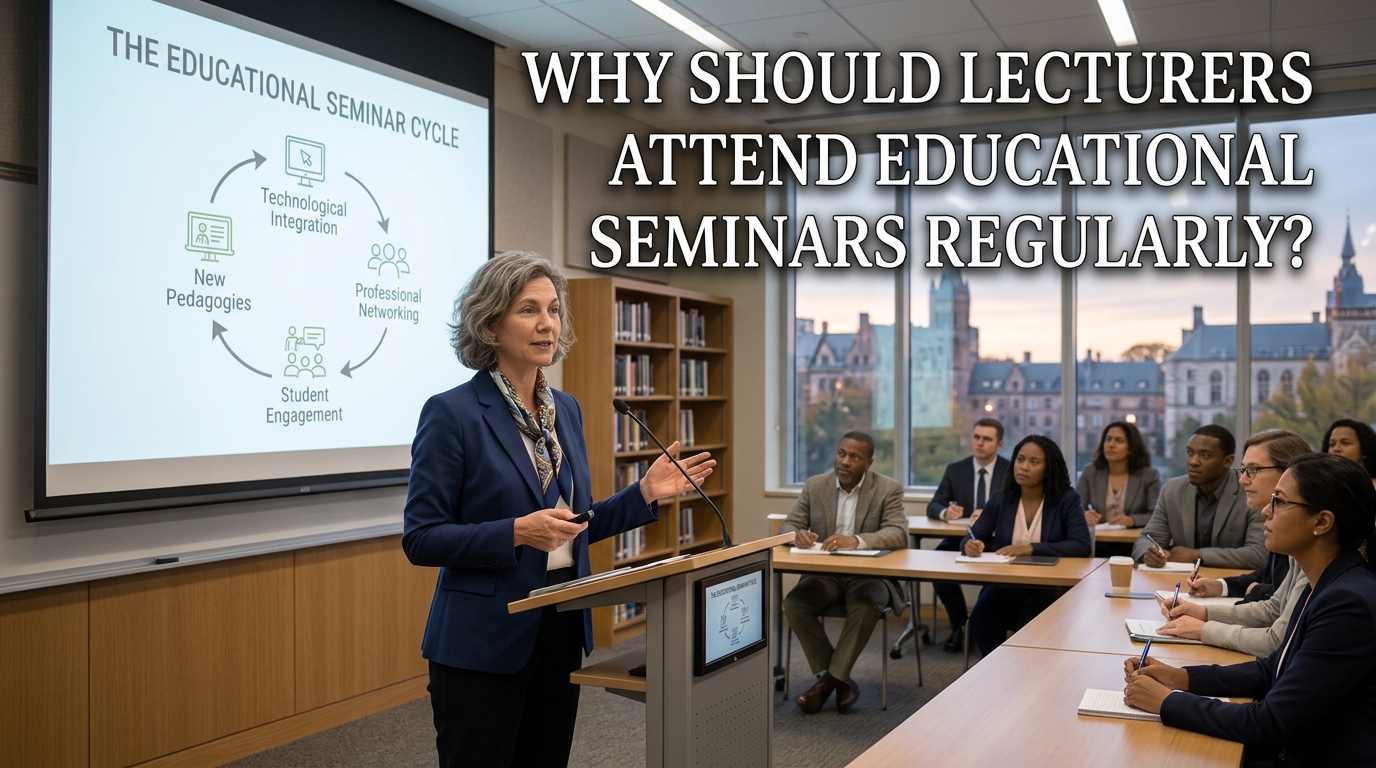
Educational seminars are an important part of professional development for lecturers who want to improve their teaching abilities, expand their knowledge, and stay informed about developments in higher education. The academic environment continues to change as new technologies, research findings, and learning methods emerge. By attending seminars regularly, lecturers can discover effective teaching strategies, exchange ideas with other professionals, and identify solutions to common educational challenges. These activities help educators maintain relevant competencies and provide better learning experiences for their students.
WHAT ARE EDUCATIONAL SEMINARS FOR LECTURERS?
Educational seminars are organized learning activities that bring lecturers, researchers, and education professionals together to discuss topics related to teaching, research, and academic development. These events commonly feature presentations, group discussions, expert insights, and question-and-answer sessions. They may be organized by universities, academic departments, professional associations, or educational institutions.
Seminar topics can include innovative teaching methods, curriculum development, student assessment, educational technology, and research publication. Some events focus on specific academic disciplines, while others address general challenges in higher education. Regular participation in educational seminars gives lecturers opportunities to learn from experienced professionals and explore ideas that may improve their academic practices.
WHY SHOULD LECTURERS ATTEND SEMINARS REGULARLY?
Lecturers should attend educational seminars regularly because professional learning is an ongoing process. Knowledge and teaching practices evolve, and educators need opportunities to review their methods and understand new developments. Seminars can introduce updated information, practical techniques, and different perspectives that lecturers may not encounter in their daily responsibilities.
Regular attendance also helps lecturers identify areas where their skills need improvement. For example, a lecturer may attend a seminar about student-centered learning after noticing that students participate less actively in class. The ideas gained can help the lecturer explore new approaches and evaluate their effectiveness. By selecting relevant events throughout the year, lecturers can support continuous improvement in teaching and academic performance.
HOW DO SEMINARS IMPROVE TEACHING SKILLS?
Educational seminars help lecturers discover teaching strategies that encourage students to participate actively in the learning process. Participants may explore methods such as project-based learning, case studies, collaborative discussions, and interactive digital activities. These approaches can help students develop critical thinking, communication, and problem-solving skills. Lecturers can also learn how to adapt teaching methods to different subjects and learning objectives.
Seminars provide opportunities to discuss classroom challenges and exchange practical experiences with colleagues. Lecturers can learn how others explain difficult concepts, manage classroom activities, and provide constructive feedback. However, new techniques should be adapted to the students' needs and the course context rather than applied automatically. Practical application and reflection help lecturers turn seminar knowledge into effective teaching practices.
HOW DO EDUCATIONAL SEMINARS SUPPORT PROFESSIONAL DEVELOPMENT?
Professional development involves improving the knowledge, abilities, and attitudes needed to perform academic responsibilities effectively. Educational seminars support this process by offering structured opportunities to learn about teaching, research, academic leadership, and institutional management. Lecturers can identify useful competencies and create development goals based on their current responsibilities and future ambitions.
Some seminars also address communication, teamwork, time management, and leadership in academic environments. These skills can help lecturers collaborate with colleagues, coordinate educational activities, and contribute to institutional initiatives. Although attending a seminar does not automatically lead to promotion, it can strengthen professional capabilities relevant to career progression. Ongoing professional development helps lecturers prepare for changing responsibilities and maintain their effectiveness throughout their careers.
HOW DO SEMINARS ENCOURAGE RESEARCH AND ACADEMIC COLLABORATION?
Research-focused seminars allow lecturers to discuss new findings, explore research methods, and receive feedback on their work. Participants may learn about research design, data analysis, academic writing, publication standards, and research ethics. These discussions can help lecturers refine research questions, improve project planning, and identify opportunities for further investigation.
Seminars can also connect lecturers with researchers who have similar interests or complementary expertise. These professional relationships may lead to joint research projects, academic publications, or interdisciplinary studies. Successful collaboration requires clear communication, shared goals, and continued work after the seminar ends. Research collaboration and knowledge exchange can strengthen academic networks and contribute to the development of new ideas.
HOW DO SEMINARS HELP LECTURERS ADAPT TO EDUCATIONAL TECHNOLOGY?
Technology is changing how learning materials are delivered, how students communicate, and how academic performance is assessed. Educational seminars can introduce lecturers to digital learning platforms, online assessment tools, interactive applications, and responsible uses of artificial intelligence. They can also provide guidance on selecting technology that supports specific learning objectives.
However, effective digital teaching requires more than knowing how to operate software. Lecturers must consider accessibility, student privacy, academic integrity, and differences in digital skills. Seminars provide opportunities to discuss these issues and explore practical solutions. Developing digital teaching competencies helps lecturers use technology thoughtfully while maintaining meaningful interaction and clear educational goals.
HOW CAN LECTURERS CHOOSE THE RIGHT SEMINARS?
Lecturers should choose seminars based on their professional needs, academic interests, and career goals. Before registering, they should review the topic, speaker qualifications, learning objectives, schedule, and expected outcomes. Events that address a specific teaching challenge or research priority may offer more immediate value than those with little connection to their responsibilities.
It is also important to consider the credibility of the organizer and the practical relevance of the material. Lecturers can compare different events and prioritize those that offer useful discussions, credible information, or hands-on activities. After attending, they should summarize key lessons and identify at least one practical improvement to implement. Strategic seminar selection helps lecturers use their time effectively and gain benefits that align with their professional goals.
HOW CAN LECTURERS APPLY WHAT THEY LEARN FROM SEMINARS?
The value of an educational seminar depends largely on how lecturers use the knowledge they gain. After an event, participants can review their notes, discuss new ideas with colleagues, and identify changes that are realistic for their teaching or research activities. For example, a lecturer who learns about formative assessment may introduce short quizzes or regular feedback sessions to monitor student understanding.
Lecturers should then evaluate whether these changes improve learning or professional performance. They can use student feedback, peer discussions, teaching observations, or research progress to review the results. Sharing successful practices with colleagues can also extend the benefits beyond individual participants. Consistent application and follow-up evaluation turn seminar attendance into a meaningful process of professional learning.
CONCLUSION
Lecturers should attend educational seminars regularly to strengthen teaching skills, expand professional knowledge, develop research capabilities, and adapt to changes in higher education. Seminars also provide opportunities to build academic networks, exchange experiences, and explore innovative approaches to learning. These benefits can support lecturers' professional growth and contribute to better educational experiences for students.
However, regular attendance alone is not enough to guarantee improvement. Lecturers need to choose relevant events, participate actively, and apply useful ideas in their daily academic work. Universities can support this process by providing appropriate professional development opportunities and encouraging collaboration. Through continuous learning and practical application, educational seminars can become a valuable part of long-term academic development.
Recent Posts

Bagaimana Sistem SKS pada Program Kuliah... 22.11.2026/49 View

How Does Technology Make Daily Evaluation... 21.11.2026/77 View

Apa Strategi Menghadapi Kesenjangan antara Kompetensi... 21.11.2026/78 View

Mengapa Inventaris Aset Penting bagi Kelancaran... 21.11.2026/74 View

When Should Musicians Join a Record... 21.11.2026/79 View
