

Why Should Lecturers Receive Technology Training in Education
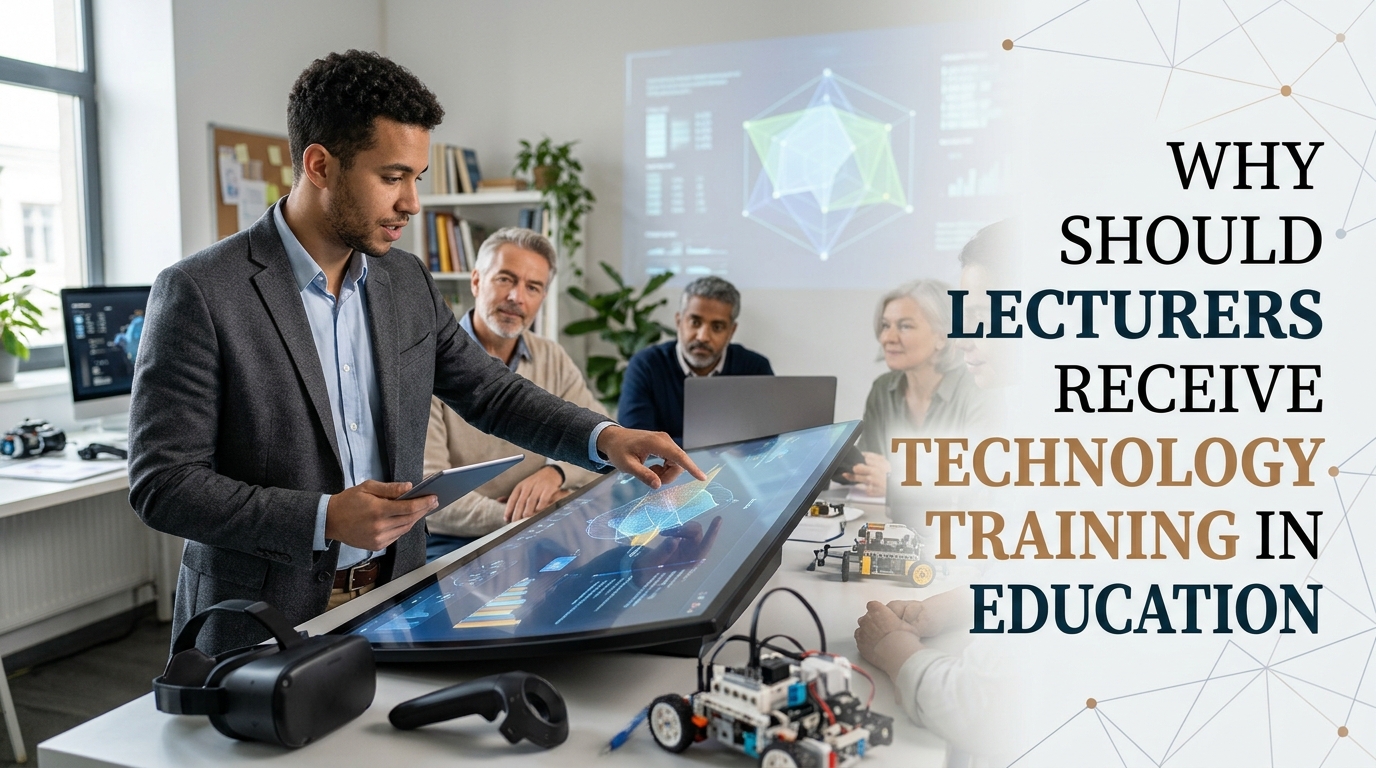
Technology has become an important part of modern education. Universities increasingly use digital platforms, online learning tools, and interactive teaching methods to improve the learning experience. However, technology can only provide meaningful benefits when lecturers know how to use it effectively. Technology training helps lecturers develop the skills needed to create engaging lessons, manage digital classrooms, and support different student learning needs. By improving their digital abilities, lecturers can deliver more flexible, effective, and relevant education.
UNDERSTANDING TECHNOLOGY TRAINING FOR LECTURERS
Technology training for lecturers is a learning process that helps educators understand and use digital tools in teaching and academic activities. It may include training on learning management systems, video conferencing platforms, digital presentations, online assessments, and educational applications. Through these programs, lecturers learn how to select technology that matches their teaching goals. The training also helps them understand how to use digital resources responsibly and efficiently. As a result, lecturers can integrate technology into their teaching practices with greater confidence.
Technology training does not mean that lecturers must use every available digital tool. Instead, they need to understand which tools are useful for particular subjects and learning objectives. For example, a lecturer teaching programming may use coding platforms, while a lecturer teaching communication may use online discussion rooms. The main goal is to make technology support learning rather than distract students from the lesson. This approach helps ensure that digital tools have a clear educational purpose.
IMPROVING TEACHING QUALITY
One important reason lecturers need technology training is to improve teaching quality. Digital tools allow lecturers to present complex information through videos, animations, simulations, and interactive presentations. These resources can help students understand difficult concepts more easily. Lecturers can also combine traditional explanations with digital activities to create more varied learning experiences. With proper training, they can choose methods that suit their subjects and students' needs.
Technology training also encourages lecturers to evaluate whether their teaching methods are effective. Online quizzes, learning analytics, and student feedback can provide useful information about learning progress. Lecturers can use this information to identify topics that students find challenging and adjust their lessons accordingly. Better use of educational technology can make teaching more responsive, organized, and engaging. However, technology should complement clear explanations, meaningful discussion, and direct interaction between lecturers and students.
MAKING LEARNING MORE INTERACTIVE
Technology can help lecturers create more interactive learning environments. Online polls, collaborative documents, educational games, and discussion platforms encourage students to participate actively. These activities can provide students with opportunities to ask questions, exchange ideas, and solve problems together. Technology training helps lecturers use these features effectively instead of relying only on one-way presentations. Active student participation can support deeper understanding and improve classroom engagement.
Interactive learning is particularly useful when lecturers need to accommodate different learning preferences. Some students may understand a topic better through visual examples, while others benefit from discussion or practical exercises. Digital resources allow lecturers to present information in several formats. They can also provide additional materials for students who need more time to understand a concept. Nevertheless, lecturers should ensure that activities remain accessible and do not require students to have expensive devices or high-speed internet.
SUPPORTING ONLINE AND HYBRID LEARNING
Online and hybrid learning have expanded the ways universities deliver education. Online learning allows students to access lessons remotely, while hybrid learning combines classroom instruction with digital activities. Lecturers need appropriate technology skills to manage these learning environments effectively. Training can help them organize virtual classrooms, upload learning materials, conduct online discussions, and communicate assignment requirements clearly. These skills help maintain learning continuity when students and lecturers cannot always meet in person.
Technology training also prepares lecturers to manage common challenges in digital learning. These may include connection problems, difficulties accessing learning platforms, and limited student participation. Lecturers can learn alternative ways to distribute materials, record lessons when appropriate, and provide clear instructions for completing activities. They should also understand how to maintain interaction and give timely feedback in online environments. With adequate preparation, online and hybrid learning can become more structured, accessible, and effective.
DEVELOPING DIGITAL ASSESSMENT SKILLS
Assessment is another area where technology training provides important benefits. Lecturers can use digital quizzes, online assignments, electronic portfolios, and other assessment platforms to evaluate student progress. These tools may simplify grading, organize submissions, and help lecturers provide feedback more efficiently. Training also helps lecturers select assessment methods that match the intended learning outcomes. For example, a practical project may be more suitable than a multiple-choice quiz when students need to demonstrate problem-solving skills.
However, digital assessment requires careful planning. Lecturers must consider academic integrity, student privacy, accessibility, and the reliability of assessment results. They should create clear instructions and use appropriate methods to evaluate students fairly. Automated grading can save time for certain tasks, but it may not fully measure complex reasoning or creativity. Effective digital assessment combines suitable technology with professional judgment and transparent evaluation criteria.
STRENGTHENING DIGITAL LITERACY AND DATA SECURITY
Lecturers need digital literacy to evaluate information, use educational software, and solve basic technology problems. Training can help them recognize reliable digital resources, understand common cybersecurity risks, and protect academic information. These skills are important because lecturers may handle student records, assignment submissions, grades, and other confidential data. They should know how to use strong passwords, manage account access, and follow university data protection policies. Responsible technology use helps protect students and maintain trust in the educational environment.
Training should also cover the ethical use of emerging technologies, including artificial intelligence. Lecturers need to understand the strengths and limitations of AI tools, check the accuracy of generated information, and protect sensitive data when using digital services. They should establish clear expectations about when students may use AI in assignments and how its use should be acknowledged. Technology should support independent thinking rather than replace it. By developing these skills, lecturers can guide students toward safe, ethical, and responsible digital learning.
INCREASING LECTURER PRODUCTIVITY
Technology training can help lecturers manage their academic responsibilities more efficiently. Digital calendars, course management systems, online collaboration tools, and automated administrative features can reduce repetitive work. Lecturers may spend less time organizing files or collecting assignments when they understand the available tools. This can create more time for lesson preparation, student consultation, research, and professional development. Improved digital efficiency allows lecturers to focus more on activities that directly support education.
Productivity gains depend on selecting tools that fit actual needs. Using too many platforms can create confusion and increase administrative work instead of reducing it. Lecturers should therefore learn how to organize digital materials, establish consistent workflows, and use compatible systems where possible. Universities can support this process by providing clear guidance and reliable technical assistance. With the right approach, technology training can improve both individual performance and academic coordination.
HELPING LECTURERS ADAPT TO EDUCATIONAL CHANGES
Educational technology continues to develop, introducing new tools and teaching possibilities. Lecturers who receive regular training are better prepared to evaluate these changes and decide whether they are useful. Professional development can introduce new teaching strategies, digital resources, and practical solutions to classroom challenges. It also encourages lecturers to share experiences and learn from colleagues. Continuous learning helps lecturers maintain relevant skills as educational needs and technologies evolve.
Adaptation does not require lecturers to adopt every new trend. Instead, they should assess whether a tool improves learning outcomes, supports accessibility, and fits the university's resources. Training programs can include practical workshops, peer mentoring, demonstrations, and opportunities to test new methods. Universities should also collect feedback to understand which training activities provide the greatest value. This process makes professional development more relevant and sustainable.
THE ROLE OF UNIVERSITIES IN PROVIDING TECHNOLOGY TRAINING
Universities play an essential role in ensuring that lecturers can access useful technology training. Institutions can organize workshops, online courses, mentoring programs, and hands-on practice sessions. Training should match lecturers' existing skills, teaching responsibilities, and subject areas. Beginners may need support with basic digital platforms, while experienced users may benefit from advanced training in interactive learning or digital assessment. A structured training program should focus on practical skills that lecturers can apply directly in their classrooms.
Universities also need to provide the resources required to apply these skills. Reliable internet access, suitable devices, accessible software, technical support, and clear digital policies can make training more effective. Institutions should evaluate training outcomes through lecturer feedback, classroom practice, and evidence of student learning where appropriate. They should also provide ongoing support rather than treating training as a one-time activity. When universities invest in both professional development and infrastructure, lecturers have a stronger foundation for successful technology integration.
CONCLUSION
Lecturers should receive technology training because digital skills are increasingly important for effective higher education. Training helps them improve teaching quality, encourage student participation, manage online learning, and use digital assessment tools responsibly. It also strengthens digital literacy, protects academic information, and supports more efficient work practices. Technology training is most valuable when it connects digital tools with clear learning objectives and students' real needs. With continuous professional development and appropriate institutional support, lecturers can use technology to create more engaging, accessible, and effective learning experiences.
Recent Posts

Bagaimana Sistem SKS pada Program Kuliah... 22.11.2026/45 View

How Does Technology Make Daily Evaluation... 21.11.2026/73 View

Apa Strategi Menghadapi Kesenjangan antara Kompetensi... 21.11.2026/75 View

Mengapa Inventaris Aset Penting bagi Kelancaran... 21.11.2026/71 View

When Should Musicians Join a Record... 21.11.2026/75 View
